
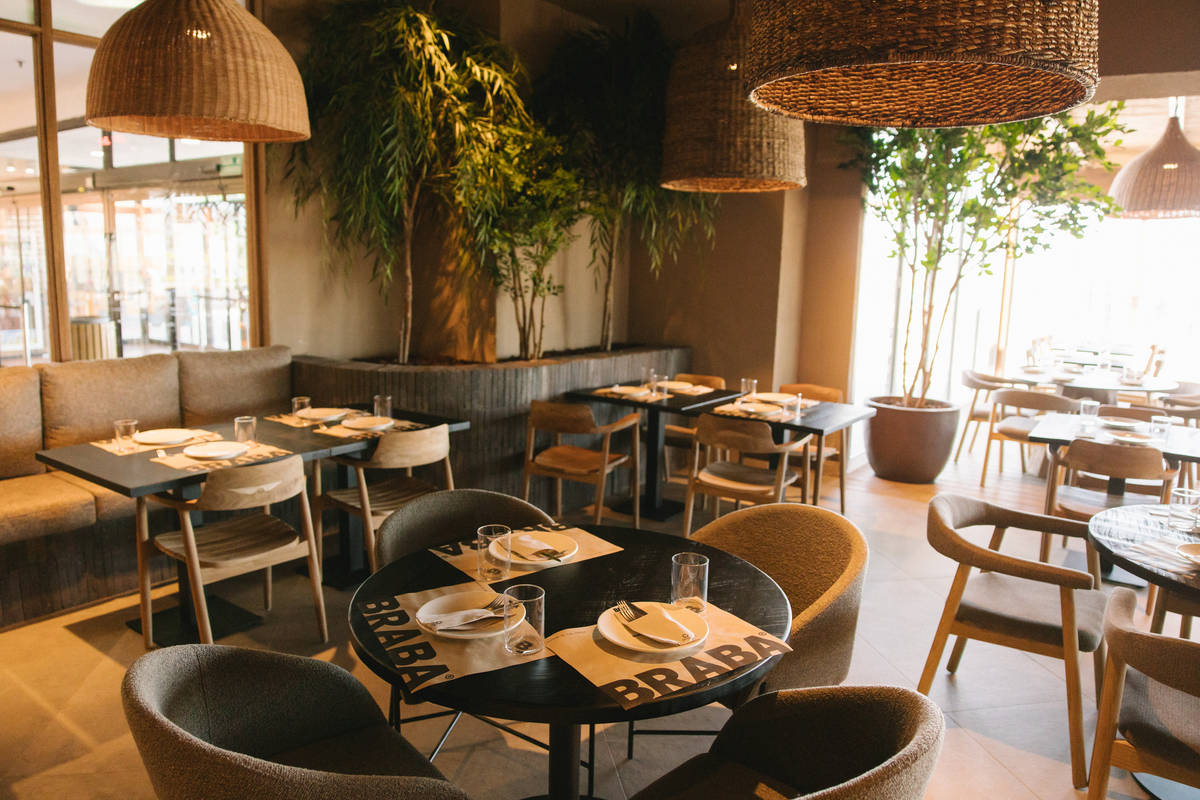
Choosing restaurant chairs involves making four decisions, in this order: intended use, frame, upholstery and compatibility with the table. Upholstery is the part most prone to wear, so choose it based on abrasion resistance (at least 25,000 Martindale rubs), ease of cleaning and compliance with the UNE-EN 1021-1 fire safety standard, rather than colour alone. A hospitality chair works harder than almost any other piece of furniture in a venue. It is dragged across floors, stacked, cleaned daily and used by hundreds of diners every month. When something goes wrong, it is rarely the frame: it is the fabric that starts to peel, the foam that loses its shape or a stain that simply will not come out. At MisterWils, a direct importer and wholesaler of hospitality furniture, we operate from a 6,000 m² central warehouse in Alcalá de Guadaíra (Seville), with more than 17,000 chairs permanently in stock. We have been furnishing restaurants, hotels and cafés for over 20 years. Venues such as BRABA, Food Porn and Avvocato feature MisterWils furniture, while BRABA is also a project developed by our interior design department. This guide brings together what we see every day when working with hospitality professionals and interior designers: which chairs can withstand different levels of use and, above all, how to choose the right upholstery. Discover our restaurant chairs
Start with intended use: choosing the right chair and upholstery for each venue
The first consideration is not style, but intensity of use. A café with ten table turnovers a day needs lightweight chairs and upholstery rated above 40,000 Martindale rubs, or faux leather. A fine dining restaurant with a single evening sitting, on the other hand, can prioritise comfort and luxurious fabrics such as velvet. Before exploring different models, consider how long customers will remain seated, how often the chairs will be moved and how cleaning will be organised.
| Type of venue | Table turnover | Key priorities | Recommended upholstery |
|---|---|---|---|
| Café and breakfast venue | Very high | Lightweight frame, easy to move and clean | Faux leather or wooden seat with cushion |
| Tapas bar | High | Resistance to knocks and dragging | Dark stain-resistant fabric or faux leather |
| À la carte restaurant | Medium | Balance between comfort and ease of maintenance | Contract-grade fabric rated at 25,000–40,000 Martindale rubs |
| Fine dining restaurant | Low, with long dining sessions | Seat and backrest comfort, armrests | Velvet, premium fabrics or leather |
| Hotel dining room | High at breakfast | Stain resistance and project-specific requirements | Contract-grade fabric with fire resistance testing |
| Covered terrace | Variable | Moisture resistance | Synthetic fibres or technical fabrics |

In all these settings, a professional hospitality chair should feature reinforced joints, protective feet or glides to prevent floor damage, and contract-grade upholstery. Consider your staff too: the weight of the chair, how the dining area is cleared and whether the chairs need to be stacked. If you need stackable chairs, choose a model specifically designed for stacking.
Frames and materials
The frame determines the chair’s lifespan, while the seat material determines its comfort and maintenance requirements.
- Wood. Solid wood brings warmth and is the most common choice for dining areas. Hardwoods such as elm, ash and teak withstand everyday use well. Wood works particularly well with upholstered seats: the wooden frame provides the visual appeal, while the upholstery adds comfort. View wooden chairs.
- Metal. Steel is one of the most durable frame materials and among the easiest to repair. Many contemporary designs combine steel with a wood-effect finish and an upholstered seat, such as the Weston chair. View metal chairs.
- Natural fibres. Rattan, wicker and natural rope create a Mediterranean or bistro-inspired atmosphere. They are lightweight but should be used indoors or on well-sheltered terraces. View natural fibre chairs.
- Synthetic fibres. Synthetic rattan and rope replicate the appearance of natural fibres while offering better moisture resistance, making them a more practical choice for terraces. View synthetic fibre chairs.
- Upholstered chairs. Upholstered chairs offer the greatest comfort but also require the most careful consideration: fabric, foam, colour and cleaning. We explore these factors in the next section. View upholstered chairs.
The frame, joints and upholstery must be assessed together: the material alone does not guarantee that a chair can withstand the demands of a busy restaurant.
Fabric: how to choose upholstery for hospitality chairs
Good hospitality upholstery meets three essential requirements: it withstands at least 25,000 Martindale rubs, can be cleaned with water and mild soap without damage, and passes the cigarette ignition resistance test under UNE-EN 1021-1 or whichever standard the project requires. Colour and texture come afterwards. Ideally, colour and texture should be selected alongside the venue’s wood finishes, tables, benches and lighting.

1. Types of upholstery
| Upholstery | Advantages | Limitations | Best suited to |
|---|---|---|---|
| Woven fabric (polyester, blends) | Comfortable, warm, wide range of colours | Requires stain-resistant treatment | À la carte restaurants, hotel dining rooms |
| Velvet and pile fabrics | Premium appearance, rich colours | Can show pressure marks and rubbing; requires more care | Fine dining restaurants, lounge areas |
| Microfibre / faux suede | Soft to the touch, good durability, easy to clean | Incorrect cleaning can leave watermarks | Banquette seating, cafés |
| Faux leather (synthetic leather) | Wipes clean, does not readily absorb liquids | Less breathable; lower-quality versions may crack | Cafés, tapas bars, high-turnover venues |
| Genuine leather | Durable, develops an attractive patina over time | Higher cost and requires specialist care products | Industrial and vintage-style interiors |
| Textilene and technical outdoor fabrics | Water- and sun-resistant, quick-drying | Less comfortable without a cushion | Terraces and outdoor areas |
Our catalogue includes fabric-upholstered models such as Weston, Marriot and Seken; faux leather options such as Teddy; and Textilene outdoor chairs such as Tender. Genuine leather options can be found in our leather chairs collection.

2. Abrasion resistance (Martindale)
The Martindale test (UNE-EN ISO 12947-2) measures how many rubbing cycles a fabric can withstand before showing signs of deterioration. For restaurants, a rating of 25,000 to 40,000 rubs is recommended. For cafés, fast-food restaurants and heavily used dining areas, choose fabrics rated above 40,000. Fabrics rated below 15,000 rubs are intended for domestic use. This is the most useful specification for comparing upholstery fabrics, although it does not translate directly into a specific number of years of use.
| Martindale rubs | Recommended use |
|---|---|
| Fewer than 15,000 | Decorative domestic use. Not recommended for hospitality settings |
| 15.000 – 25.000 | Heavy domestic use. Suitable only for very occasional hospitality use |
| 25,000–40,000 | General contract use: restaurants, hotels |
| Over 40,000 | Heavy-duty contract use: cafés, fast-food restaurants, dining areas |
Always request the fabric’s technical data sheet. Our sales team can provide the Martindale rating and technical specifications for each fabric. For made-to-order furniture, you can request specific fabric specifications tailored to your project. Check other technical details too, such as resistance to pilling and colour fastness to light.
3. Cleaning and stain-resistant treatments
Most fabrics used on upholstered chairs in the MisterWils catalogue have a stain-resistant treatment, and the seats are screwed into place, allowing them to be reupholstered without replacing the entire chair. The covers are not removable: cleaning must be carried out directly on the chair using a damp cloth and mild soap, without rubbing. In hospitality settings, upholstery is exposed to spills every day: wine, oil, coffee and sauces.
- Deal with spills immediately using a damp cloth and mild soap, blotting gently without rubbing.
- Vacuum upholstery regularly to prevent dust from wearing down the fibres.
- Do not use bleach, alcohol, steam or solvents unless expressly permitted in the fabric’s technical specifications.
A stain-resistant treatment makes cleaning easier, but it does not make fabric waterproof or guarantee that every stain can be removed. Always follow the fabric care instructions.

4. Fire resistance
In the hospitality sector, local authorities often require upholstery to pass the cigarette ignition resistance test specified in UNE-EN 1021-1. Hotels, chains and certain projects may also require the match flame test under UNE-EN 1021-2. In general, the fabrics used on chairs in the MisterWils catalogue comply with UNE-EN 1021-1. If your project requires a different standard, our made-to-order furniture service can provide technical data sheets for compliant fabrics and manufacture the chairs accordingly. Confirm these requirements before placing your order: changing the fabric once fit-out work is under way can delay opening and complicate inspections.
5. Foam and comfort
The fabric is what you see; the foam is what you feel. High-density foam returns to its original shape after hours of use and does not sag after just a few months. In restaurants where guests enjoy long, leisurely meals, seat comfort is just as important as design.
6. Colour and texture
- Mid-tone colours and textured fabrics conceal signs of wear more effectively than very pale colours or plain fabrics.
- Earthy shades — terracotta, mustard, olive green and burnt orange — are on trend and help disguise minor stains.
- Using the same chair model in different colours allows you to define separate areas within a venue while maintaining a cohesive look. The Weston is available in eight colours and the Marriot in ten.
- View fabric samples under the restaurant’s actual lighting conditions and alongside the tables and benches. The same principles apply to upholstered banquette seating.
Dimensions: test the chair with the table
For a standard 75 cm-high table, the seat height should be between 45 and 48 cm, leaving 27–30 cm of clearance between the seat and tabletop. A chair measuring 45–50 cm wide requires approximately 60 cm of table edge per diner, and the armrests must fit beneath the tabletop. Chairs and tables should be chosen together. As we explain in our guide to bespoke restaurant tables, a common mistake is finalising the tables before selecting the chairs.
- Seat height: between 45 and 48 cm for a standard 75 cm-high table. Allow approximately 27–30 cm between the seat and tabletop.
- Upholstery thickness: a thick upholstered seat increases the actual sitting height. Take measurements with the foam compressed.
- Armrests: check that they fit beneath the tabletop without hitting the table apron or legs. If they do not, the chair will sit too far away from the table and obstruct circulation.
- Width and depth: a chair measuring 45–50 cm wide requires approximately 60 cm of table edge per diner. Also check the seat depth and allow enough space to pull the chair out.
- Stackability: in venues that regularly rearrange their dining areas or bring terrace furniture indoors every evening, stackable chairs save time and storage space.
The most reliable approach is to sit on the chair, lean against the backrest and pull it up to a table similar to those in your venue. At our showroom in Alcalá de Guadaíra, you can try different models and compare upholstery options. You can also purchase a single chair as a sample, at no additional charge per unit, and test it in your own premises before placing a full order.
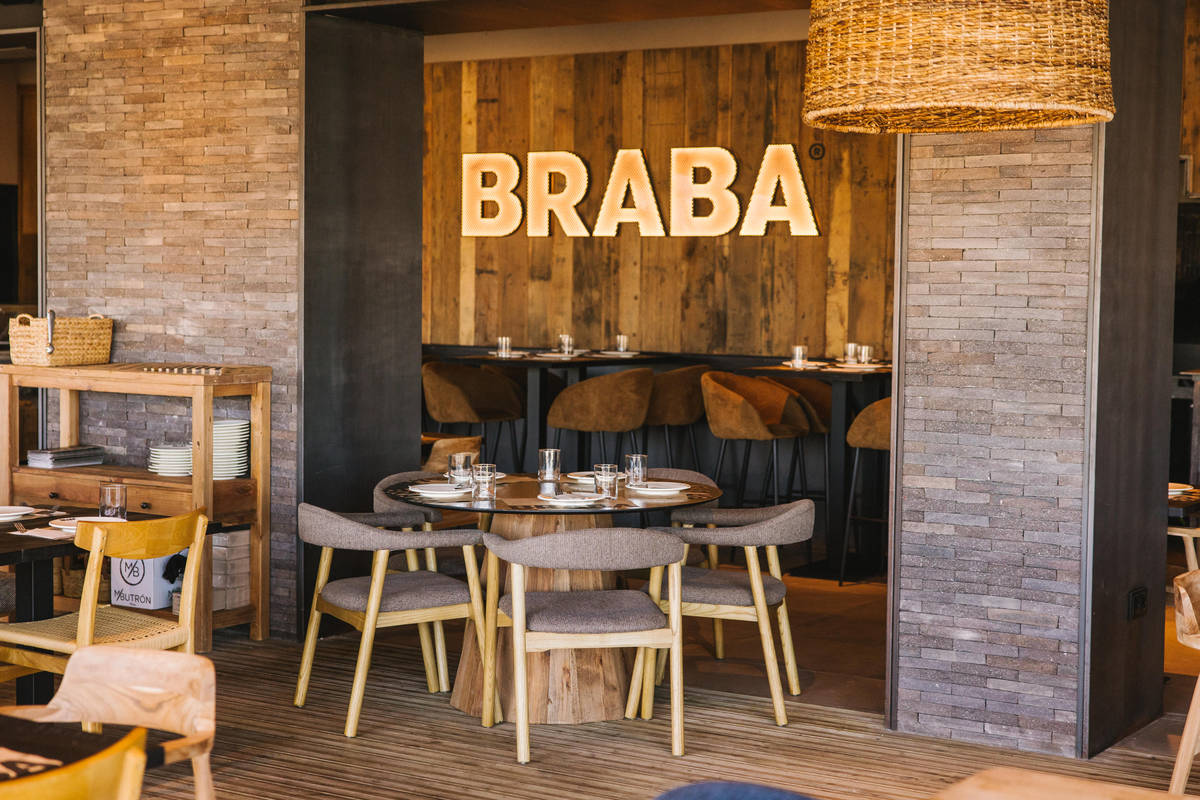
Four MisterWils chairs to consider for your project
These four models illustrate different approaches to fabric upholstery in restaurant seating.
| Model | Frame | Upholstery | Best suited to |
|---|---|---|---|
| Mogi | Turned elm wood with oak stain, armrests | Fabric-upholstered seat and backrest; customisable from 6 units | Dining areas seeking a combination of wood and bespoke fabric. Seat height: 45 cm |
| Lugger | Tubular steel, slender legs with brass detailing | Vertically pleated backrest; 5 colours | Contemporary or Art Deco interiors where upholstery takes centre stage. Seat height: 47 cm |
| Waldo | Wood | Upholstery with enveloping lines | Spacious interiors where the chair helps define the atmosphere |
| Weston | Steel with oak-effect finish | Fabric upholstery in 8 colours | Large dining areas requiring readily available stock and a choice of colours |
Indoor, covered terrace and outdoor use
An indoor upholstered chair is not suitable for an exposed terrace: the upholstery will be the first element to deteriorate. For covered terraces, choose synthetic fibres or rope and technical fabrics. For exposed outdoor areas, opt for aluminium or synthetic fibre frames with Textilene upholstery, which dries quickly and withstands sunlight. Before moving a chair onto the terrace, check the suitability of the entire model for outdoor use, including its frame, foam and fabric.
- Indoors: any contract-grade upholstery is suitable. Many product specifications explicitly state “not suitable for outdoor use”, as is the case with the Aikawa chair.
- Covered terrace: although the fabric is not directly exposed to rain, it still faces humidity, dust, angled sunlight and temperature changes. Synthetic fibres, synthetic rope and technical fabrics are preferable. View covered terrace furniture.
- Exposed outdoor areas: choose aluminium or synthetic fibre frames and technical fabrics such as Textilene, which dry quickly and withstand sunlight. For additional comfort, add outdoor cushions and store them away when the venue closes. View outdoor chairs.
An indoor stain-resistant treatment does not make a chair suitable for outdoor use.
Upholstery customisation and replacement
There are two options: an in-stock model in one of its available colours, delivered within 2–4 working days in mainland Spain, or a customisable Made in EU chair, with your choice of frame and upholstery — including customer-supplied fabric — and a production time of approximately 4 weeks.
- In-stock model in an available colour. This is the quickest option. Models such as Weston, Marriot and Bold are available in a wide range of colours.
- Customisable Made in EU chair. Some of our chairs are manufactured in European workshops and allow you to choose both the frame colour and upholstery. This is ideal for projects requiring branded fabrics or specific technical standards. For example, the Mogi can be customised from a minimum order of 6 units. View customisable Made in EU furniture.
Replacement options are just as important as the initial purchase. Choosing models held in stock makes it easier to order additional chairs in the same design and colour later, keeping your dining area consistent. Keep a record of the chair reference, colour and, for customised models, the fabric identification. As the seats are screwed into place, they can also be reupholstered without replacing the entire chair.

6 common mistakes when buying restaurant chairs
- Choosing fabric based solely on the sample colour or a photograph. Without checking abrasion resistance and cleaning requirements, upholstery can deteriorate within months.
- Using domestic upholstery fabrics. Fabrics rated below 15,000 Martindale rubs cannot withstand hundreds of uses every month.
- Choosing very pale colours for high-turnover areas. Every stain becomes noticeable.
- Failing to check the project’s fire safety requirements. Changing the fabric once fit-out work is under way can delay opening.
- Not testing the chair with the table. Armrests that do not fit beneath the tabletop or seats that are too high may force you to change your order.
- Leaving customisation until the last minute. With production taking approximately 4 weeks, upholstery choices need to be finalised well in advance.
What information to provide when requesting a quote
With the following information, our sales team can recommend suitable chair models and upholstery options more quickly:
- Type of venue and number of services per day
- Number of chairs required for indoor areas, covered terraces and outdoor spaces
- Tables you already own or plan to purchase (height and base type), plus a floor plan if available
- Preferred style or reference photographs
- Upholstery preferences: fabric, faux leather, genuine leather or non-upholstered, and preferred colours
- Technical requirements: fire safety standards, minimum Martindale rating, branded fabric
- Opening date and approximate budget per chair