
Guía técnica sobre fabricación a medida, sistemas modulares, materiales, medidas y criterios que conviene definir antes de pedir presupuesto
En un proyecto de hostelería, no todas las mesas tienen que fabricarse a medida. Cuando una medida estándar resuelve correctamente la distribución de la sala, recurrir a una mesa disponible en stock suele ser la opción más lógica: reduce plazos, simplifica futuras reposiciones y ayuda a controlar el presupuesto.
El problema aparece cuando el espacio deja de ser estándar. Una bancada corrida puede necesitar mesas con una longitud concreta y los pies desplazados; una esquina puede exigir una tapa con una geometría especial; la barra puede requerir mesas altas con el mismo acabado que las mesas de comedor; o el proyecto de interiorismo puede plantear una mesa comunal que sencillamente no existe en catálogo.
Es ahí donde la fabricación a medida aporta valor. Pero una mesa para un restaurante no debería definirse únicamente por su aspecto. Dimensiones, estabilidad, posición de los apoyos, material de la tapa, altura, peso, mantenimiento, circulación y tipo de asiento forman parte de una misma decisión técnica.
En MisterWils trabajamos con mobiliario para hostelería y proyectos profesionales, combinando referencias disponibles en stock con soluciones personalizadas. Esta guía reúne los criterios que conviene estudiar antes de encargar una mesa a medida y explica qué tipos de proveedores pueden intervenir en un proyecto de este tipo.
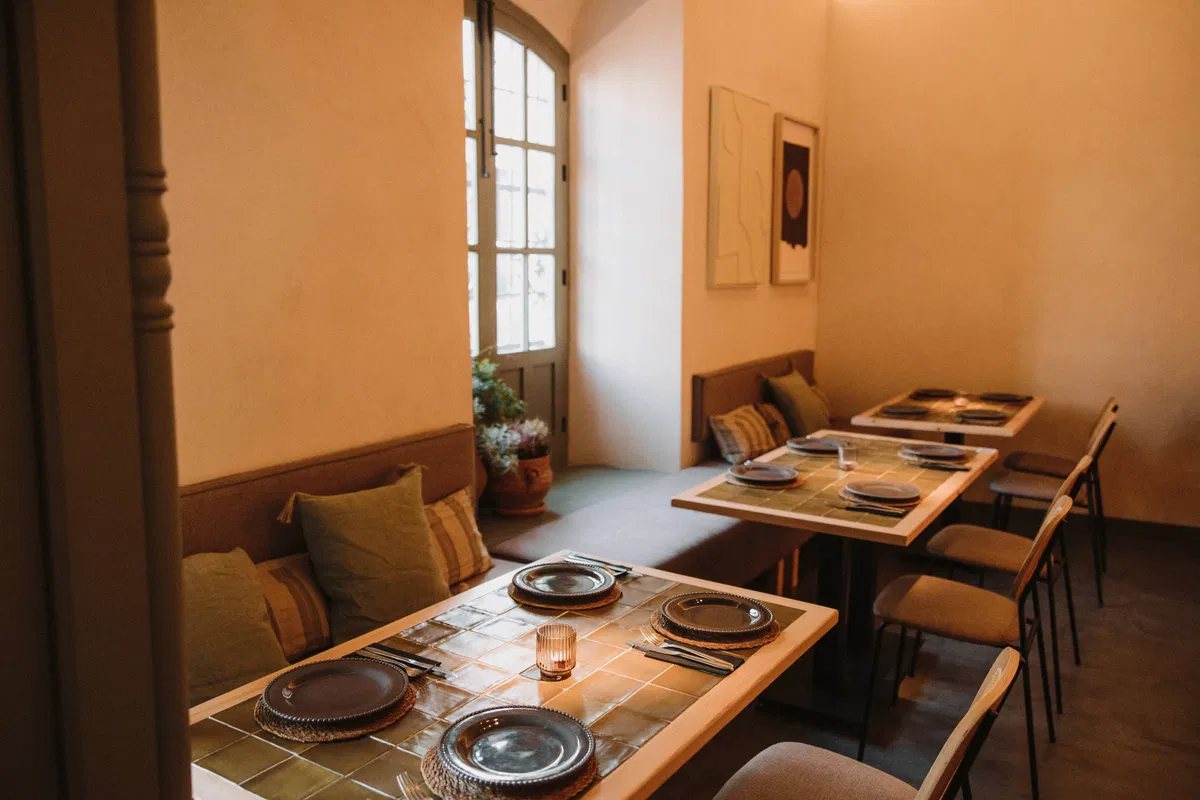
¿Qué significa realmente fabricar una mesa a medida?
“A medida” es un término muy amplio. Dos mesas fabricadas específicamente para un restaurante pueden implicar procesos completamente diferentes. Antes de pedir presupuestos, conviene saber qué necesita realmente el proyecto.
Tapa en una medida personalizada
Es una de las soluciones más habituales. Se parte de un material y se fabrica o adapta la tapa al formato necesario para después combinarla con una estructura compatible. Permite modificar dimensiones y, dependiendo del material y del sistema utilizado, trabajar formatos cuadrados, rectangulares, redondos u otras geometrías. Para muchos restaurantes es suficiente y evita desarrollar una mesa completamente desde cero.
Sistema modular de tapa y estructura
En este caso, tapa y estructura se plantean como elementos independientes. Esto permite utilizar un mismo acabado en diferentes formatos y alturas: mesas bajas para sillas, mesas altas para taburetes o soluciones destinadas a terraza. Es especialmente interesante cuando se busca mantener una identidad visual homogénea en todo el establecimiento sin fabricar necesariamente todas las piezas de forma íntegra.
Fabricación completa
Hay proyectos en los que una estructura estándar tampoco sirve. Mesas comunales de gran formato, geometrías singulares, determinadas piezas diseñadas por un estudio de interiorismo o elementos que deben integrarse con barras y bancadas pueden requerir fabricación completa mediante carpintería, ebanistería, metalistería u otros procesos. El grado de personalización es mayor, pero también suelen aumentar el tiempo de desarrollo, la complejidad técnica y el plazo de fabricación.
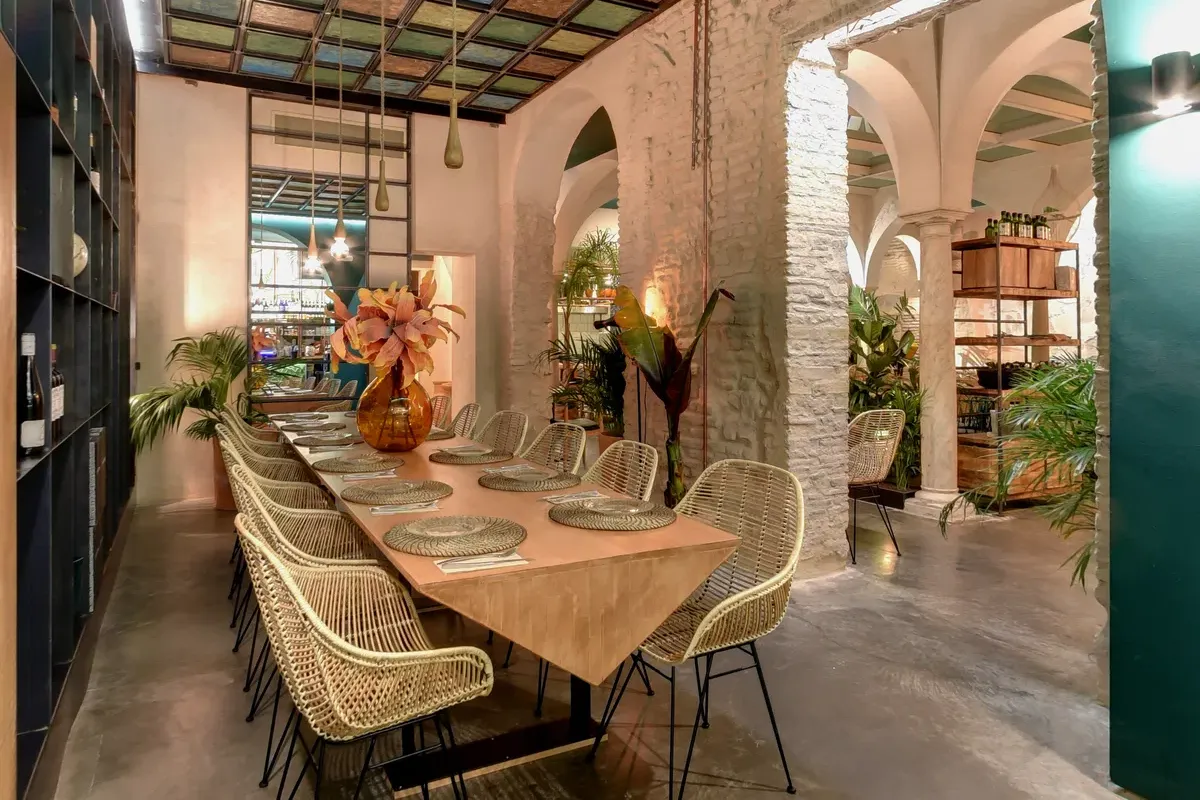
Antes de diseñar la mesa, hay que resolver el espacio
Uno de los errores habituales es empezar el proyecto eligiendo el acabado de la mesa: madera, mármol, terrazo, porcelánico o color de la estructura. Son decisiones importantes, pero no deberían ser las primeras.
En un restaurante, una mesa forma parte de un sistema compuesto por mesas, sillas, bancos, circulación de clientes, recorridos del personal y capacidad de la sala. Una diferencia aparentemente pequeña en las dimensiones de una mesa puede multiplicarse cuando el mismo formato se repite diez o veinte veces.
¿Cuántos comensales tiene que admitir?
Las dimensiones deben plantearse en función de las plazas previstas y del tipo de asiento. No ocupa lo mismo una silla compacta sin brazos que un sillón de comedor con reposabrazos. Tampoco se comporta igual una mesa situada frente a una bancada que una mesa independiente en mitad de la sala. La mesa y el asiento deberían estudiarse conjuntamente.
¿Dónde estará situada?
Paredes, pilares, bancos corridos, puertas, zonas de servicio y pasos condicionan las dimensiones posibles. Una mesa puede encajar perfectamente sobre plano y, sin embargo, resultar incómoda cuando se añaden las sillas y se simula su uso real.
¿Qué circulación necesita el restaurante?
No basta con que las mesas quepan. Hay que considerar el espacio necesario cuando las sillas están ocupadas y comprobar que clientes y personal puedan circular correctamente. En proyectos con una elevada densidad de mesas, unos centímetros pueden marcar una diferencia considerable.
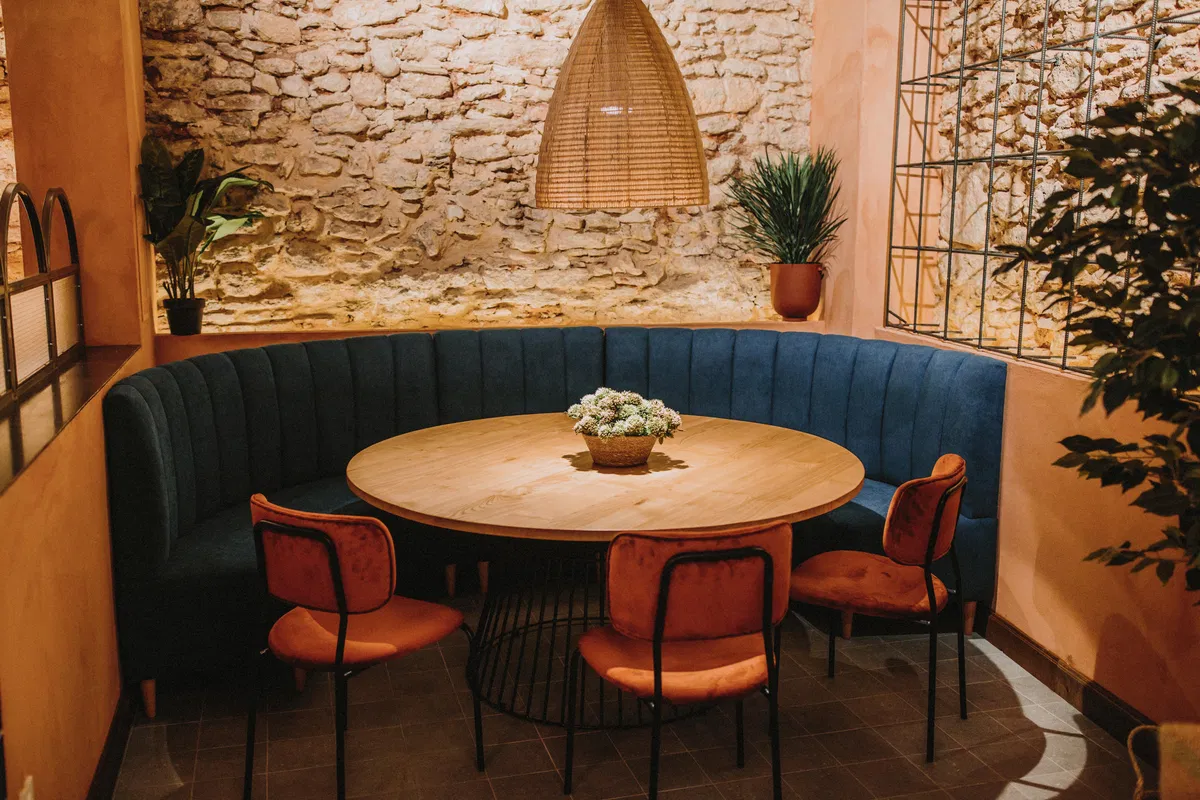
El pie de una mesa no se elige únicamente por estética
Este es uno de los aspectos que más conviene estudiar cuando se modifica el tamaño de una tapa. Una estructura diseñada para una determinada dimensión no tiene por qué funcionar correctamente si aumentamos considerablemente la superficie o el peso.
- Dimensiones y geometría de la tapa.
- Peso del material.
- Voladizo respecto a los puntos de apoyo.
- Número y posición de las bases.
- Estabilidad.
- Espacio disponible para las piernas.
- Compatibilidad entre tapa y sistema de fijación.
En mesas rectangulares de cierto tamaño también hay que estudiar dónde se colocan los apoyos. Una estructura técnicamente estable puede resultar incómoda si obliga a los comensales a sentarse junto a una pata. Por eso, tapa y estructura deben entenderse como un conjunto.
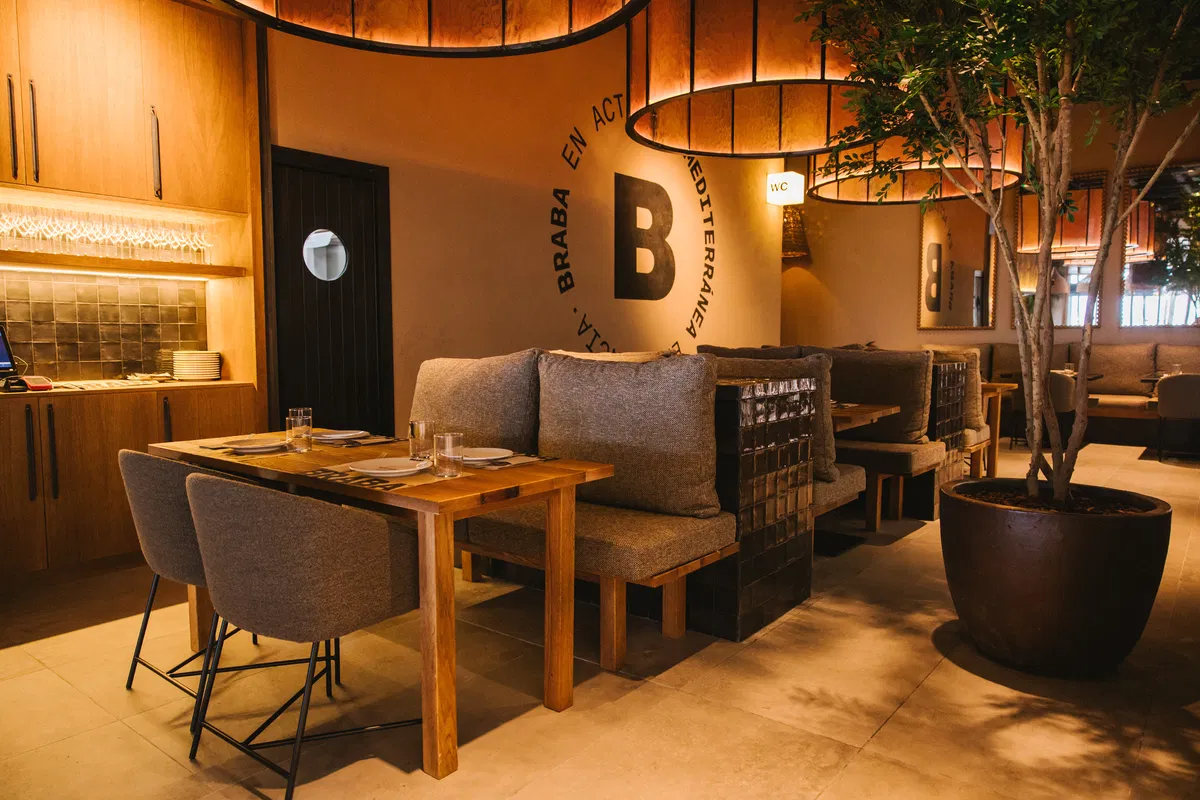
Cuándo merece la pena fabricar una mesa a medida… y cuándo no
La fabricación personalizada no debería convertirse en un objetivo por sí misma. Tiene sentido cuando resuelve un problema concreto: aprovechar mejor una zona, adaptarse a una bancada, conseguir una geometría determinada, unificar diferentes alturas o desarrollar una pieza especialmente relevante dentro del interiorismo.
Pero si una sala funciona correctamente con formatos estándar, recurrir a producto disponible puede ser más eficiente. Además del precio y del plazo inicial, hay otro factor que a veces se olvida: la reposición. El mobiliario de hostelería está sometido a un uso intenso y, si dentro de varios años hay que sustituir una mesa o una tapa, trabajar con sistemas relativamente estandarizados puede simplificar mucho la operación.
Una solución interesante para muchos proyectos consiste precisamente en combinar mesas estándar y mesas personalizadas. Las primeras resuelven las zonas regulares de la sala; la fabricación especial se reserva para aquellos puntos donde realmente aporta algo.
Cómo planteamos una mesa a medida para un proyecto de hostelería
En MisterWils trabajamos con un sistema modular en el que pueden combinarse tapas y estructuras, además de soluciones personalizadas dentro de proyectos profesionales. Antes de definir una solución conviene disponer, como mínimo, de cuatro datos: medidas, número de unidades, uso previsto y fecha del proyecto. Si además existe un plano, mucho mejor.
1. Revisar medidas y distribución
Un plano o croquis permite entender qué problema debe resolver la mesa. No hace falta empezar necesariamente con documentación técnica compleja: una planta acotada puede servir para valorar dimensiones, ubicación, relación con otros elementos y posibles condicionantes.
2. Definir los asientos
Mesa y silla deberían estudiarse juntas. Hay que conocer la altura del asiento, sus dimensiones y, especialmente cuando existen reposabrazos, comprobar su relación con la parte inferior de la tapa y la estructura.
3. Determinar el uso
Interior y exterior requieren criterios diferentes. Y dentro del exterior tampoco todas las situaciones son iguales. Una terraza protegida no está sometida a las mismas condiciones que una mesa expuesta directamente al sol, la lluvia y los cambios de temperatura.
4. Elegir tapa y estructura
Solo después tiene sentido cerrar materiales y acabados. La elección debe tener en cuenta estética, peso, limpieza, mantenimiento, resistencia y compatibilidad entre tapa y base.
5. Coordinar las piezas especiales con el resto de la sala
No siempre hay que personalizar todo el mobiliario. Una misma sala puede combinar referencias disponibles con mesas de dimensiones específicas. Si se coordinan materiales, estructuras y acabados, ambas pueden integrarse dentro del mismo lenguaje de interiorismo.
Materiales para mesas de restaurante: no existe uno mejor para todos los proyectos
Preguntar cuál es el mejor material para una mesa de hostelería tiene poco sentido sin conocer dónde y cómo va a utilizarse. Cada material responde de manera diferente frente al peso, los golpes, las manchas, la humedad, el calor o la exposición exterior.
Madera
La madera aporta calidez y permite trabajar proyectos con una fuerte presencia del material. En función de la solución elegida, habrá que valorar especie, acabado, mantenimiento y ubicación. En materiales naturales también hay que asumir algo importante: la variación forma parte del propio material. Veta y tonalidad pueden presentar diferencias entre unas piezas y otras.
Mármol y terrazo
Su peso visual y material los convierte en una opción interesante para determinados proyectos de restauración. Precisamente el peso es también uno de los factores que hay que considerar técnicamente: la estructura debe ser compatible con las dimensiones y masa de la tapa. Su comportamiento dependerá además del material concreto, del acabado y de las condiciones de instalación.
Fenólico compacto
Es una solución utilizada con frecuencia en mobiliario de terraza. Además del tablero, hay que comprobar la adecuación del producto concreto para exterior y prestar atención al comportamiento de sus cantos y al sistema completo de mesa.
Laminado HPL
Ofrece una amplia variedad de acabados y facilita la limpieza, por lo que puede resultar práctico en interiores sometidos a un uso frecuente.
Porcelánico
Puede ofrecer buenas prestaciones frente al rayado y al calor y permite trabajar estéticas próximas a piedra y otros materiales. De nuevo, su peso y formato deben coordinarse correctamente con la estructura.
El canto también importa
En una mesa de restaurante se habla mucho de la superficie y bastante menos de los cantos. Sin embargo, son zonas expuestas continuamente a golpes de sillas, movimientos, limpieza y contacto. Material, espesor y terminación del canto deberían formar parte de la decisión, especialmente en establecimientos con una rotación elevada. En hostelería, muchas veces los detalles menos visibles son los que determinan cómo envejece una pieza.
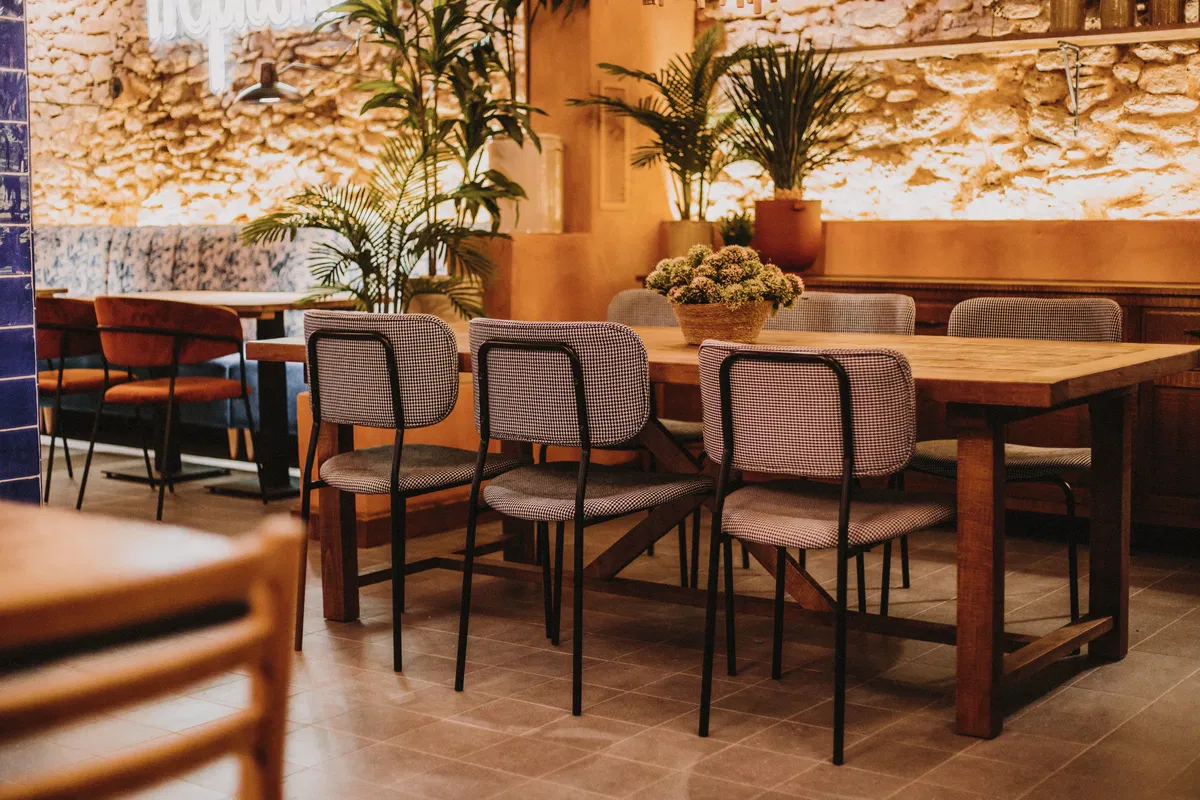
Cinco errores que conviene evitar al encargar mesas para hostelería
Elegir las mesas antes que las sillas
Puede provocar problemas de proporciones, altura, espacio disponible o interferencias con los reposabrazos.
Aumentar una tapa sin revisar la estructura
Que una base funcione con una tapa de determinado tamaño no significa que pueda utilizarse automáticamente con una considerablemente mayor.
Elegir únicamente por fotografía
Una imagen permite valorar el diseño, pero no explica peso, estabilidad, mantenimiento o comportamiento del material.
Tratar todo el exterior de la misma forma
“Exterior” no describe una única condición de uso. Hay diferencias importantes entre una terraza cubierta y una ubicación permanentemente expuesta.
Olvidar transporte, acceso y montaje
Una pieza de gran formato tiene que poder llegar hasta su ubicación final. Puertas, escaleras, ascensores y accesos al local también pueden condicionar cómo debe fabricarse o plantearse una mesa.
Qué información enviar para solicitar presupuesto de mesas a medida
Cuanto más clara sea la información inicial, más sencillo será valorar correctamente el proyecto. Lo recomendable es indicar:
- Número de mesas.
- Largo y ancho o diámetro.
- Altura deseada.
- Forma de la tapa.
- Material o acabado buscado.
- Uso interior o exterior.
- Tipo de silla, sillón o taburete con el que se combinará.
- Plano o croquis, si existe.
- Localidad de instalación.
- Fecha prevista de apertura o instalación.
Este último dato es especialmente importante. Una solución técnicamente perfecta deja de ser una buena solución si no puede estar disponible cuando el establecimiento la necesita.
Dónde encargar mesas a medida para restaurantes en España
No todos los fabricantes y proveedores trabajan el mobiliario a medida de la misma manera. Algunos parten de sistemas modulares de tapas y estructuras; otros realizan fabricación íntegra; y otros están especializados en carpintería, metal, piedra o equipamiento técnico. Por eso, más que buscar simplemente “un fabricante de mesas a medida”, conviene identificar qué tipo de fabricación necesita el proyecto.
MisterWils combina referencias disponibles en stock con soluciones personalizadas para proyectos de hostelería. Su sistema permite trabajar diferentes combinaciones de tapas y estructuras y plantear mesas bajas, mesas altas y soluciones para terraza dentro de una misma línea estética. Además, la línea Made in EU incluye mesas, bancos y sofás personalizables en aspectos como medidas, madera, estructura o tapizado, dependiendo del producto y del proyecto. Esta combinación permite resolver con referencias disponibles una parte del mobiliario y reservar la personalización para las zonas que realmente la necesitan.
Preguntas frecuentes sobre mesas a medida para restaurantes
Renovating a restaurant doesn’t always mean carrying out building work, lifting the floor or changing all the lighting. Often, the most striking change comes when the furniture is updated and the style of the space is redefined. In a sector as competitive as the hospitality industry, the atmosphere has become a key factor in attracting customers, enhancing the experience and standing out from the competition. In this context, opting for natural furniture is one of the most effective strategies, and within this trend, wooden furniture combined with natural fibres stands out in particular.
Restaurants that exude warmth, authenticity and comfort are the ones that make customers feel at ease and want to return. Wood and natural fibres are materials that create precisely that feeling, as they evoke a sense of craftsmanship, organic simplicity and timelessness. What’s more, they work well in virtually any interior style, from Mediterranean to warm industrial, boho chic and Japandi.
In this article, we’ll look at how to give a restaurant a smart makeover, with interior design ideas you can implement without the need for major renovations, by opting for wooden furniture available from MisterWils, a shop specialising in furniture and décor for the hospitality industry and interior design projects.

Why choose wooden furniture when refurbishing a restaurant
Wooden furniture is a safe bet because it combines style and practicality. In a restaurant, the décor needs to be attractive but also durable, and wood is one of the materials best suited to heavy daily use. A well-made wooden table or chair can last for years without losing its appeal or style, even with a high volume of customers.
Furthermore, wooden furniture immediately conveys a sense of quality. Upon entering a restaurant, customers take in the atmosphere within seconds, and wood conveys warmth, care and a more premium feel. This has a direct influence on price perception, the length of time customers stay, and the value they associate with the dining experience.
Another key advantage is its versatility. Wooden furniture suits classic, contemporary, rustic, industrial or minimalist styles, so it provides a solid decorative foundation even if you decide to make changes to the paintwork, lighting or textiles in the future.
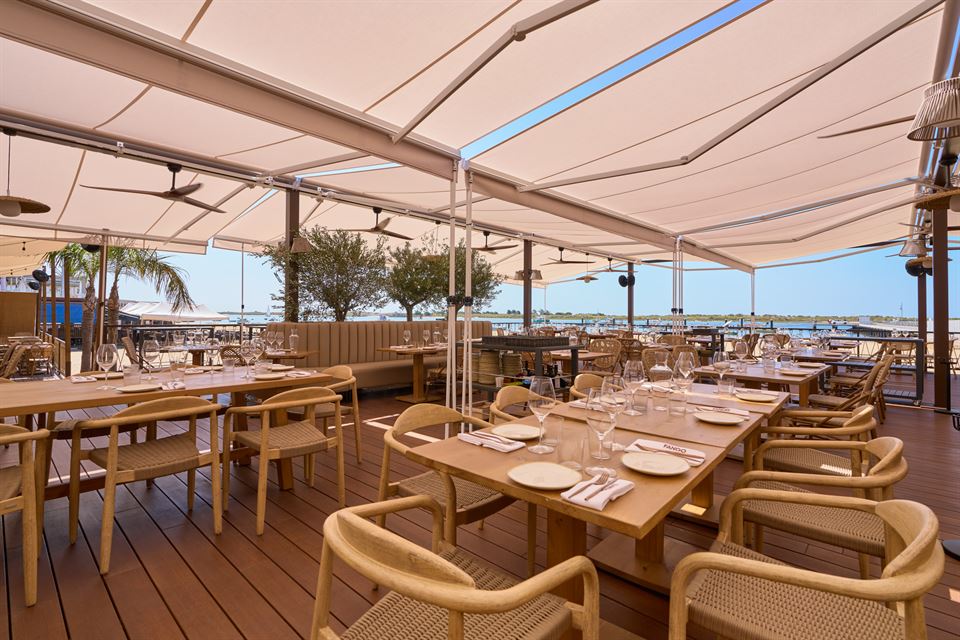
Natural fibre as the perfect complement to wooden furniture
Natural fibres have become a key feature of contemporary interior design. Materials such as rattan, mesh, wicker and rope add texture, a sense of lightness and a handcrafted feel that fits in perfectly with the décor of modern restaurants. When fibres are combined with wooden furniture, the result is a balanced, warm space full of character.
Whilst wood conveys a sense of solidity and permanence, fibre adds a touch of freshness and casual elegance. This combination works particularly well in Mediterranean restaurants, rustic-style cafés, venues with a boho aesthetic, or spaces aiming for a relaxed and welcoming atmosphere.
At MisterWils, you can find pieces where fabric is incorporated into backrests, seats or decorative details, allowing you to give a restaurant a fresh look without having to replace everything – simply by introducing new elements that bring the venue up to date.

Wooden furniture to transform the restaurant’s dining room
The dining room is the heart of the restaurant and, as such, the first area to focus on if you want to achieve a noticeable makeover. Replacing the tables and chairs can completely transform the feel of the place, even if the walls and floor remain unchanged.
Wooden furniture is ideal for this area as it adds warmth and blends in perfectly with any layout. A solid wood table or a table with a natural wood top and metal legs can become the focal point of the room.
In restaurants with a more contemporary style, tables made of wood and iron work very well, as they add an industrial yet elegant touch. In venues with a Mediterranean aesthetic, light-coloured wooden tables combined with rattan or wicker chairs create a fresh and bright atmosphere.
At MisterWils, you’ll find dining tables, round tables, rectangular tables and rustic-style tables, designed for both domestic and commercial projects. Choosing wooden furniture for this area is a direct investment in your brand image and the customer experience.
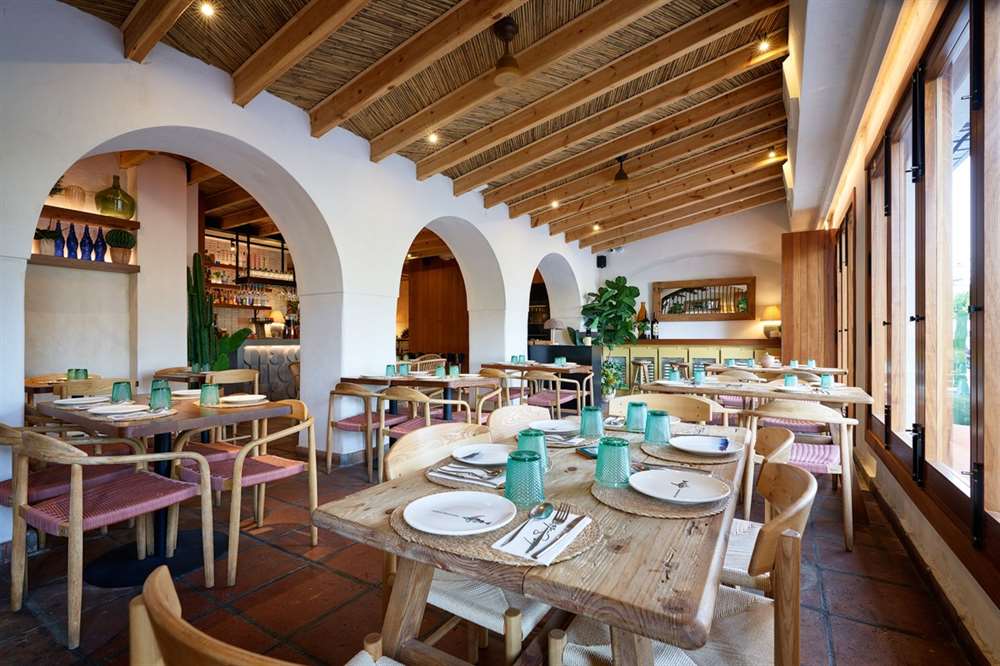
How to choose wooden tables and furniture depending on the type of restaurant
Not all restaurants need the same type of table. A high-turnover restaurant needs sturdy tables that are easy to clean, whilst a fine-dining restaurant may prioritise design and exclusivity. In both cases, wooden furniture works perfectly because you can choose from finishes ranging from rustic to more refined.
Solid wood tables convey strength, authenticity and character, and are ideal for restaurants seeking a natural or traditional style. On the other hand, tables with wooden tops and metal frames are better suited to urban, modern or industrial spaces.
Round tables make better use of space in smaller areas and create a more sociable atmosphere. Rectangular tables are perfect for groups and allow for greater flexibility in the layout of the dining room. In any case, opting for wooden tables is the quickest way to give the restaurant a fresh new look.
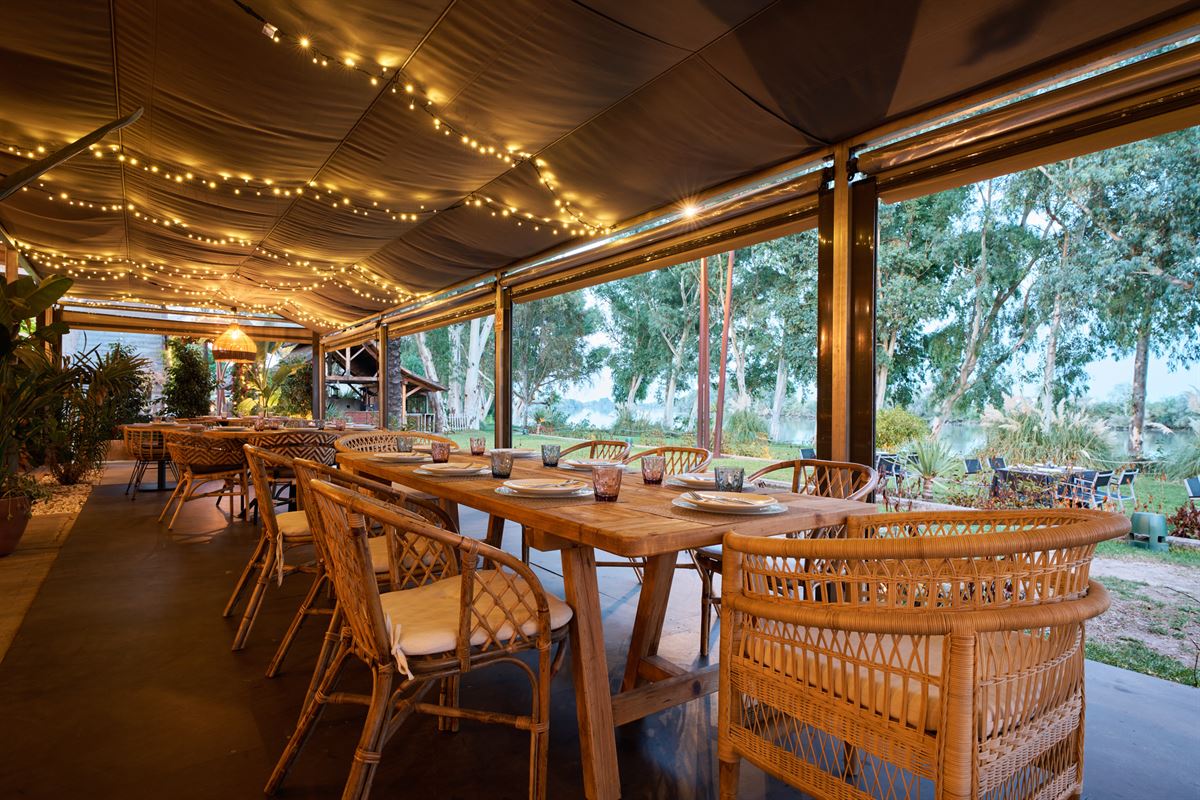
Fibreglass chairs and wooden furniture: the perfect combination
Chairs are one of the most important elements in a restaurant, not only for their appearance but also for the comfort they provide. An uncomfortable chair can ruin the experience, no matter how attractive the venue is. That is why choosing the right chairs is essential.
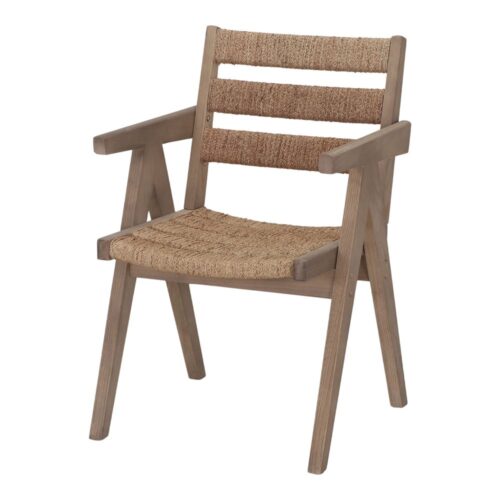
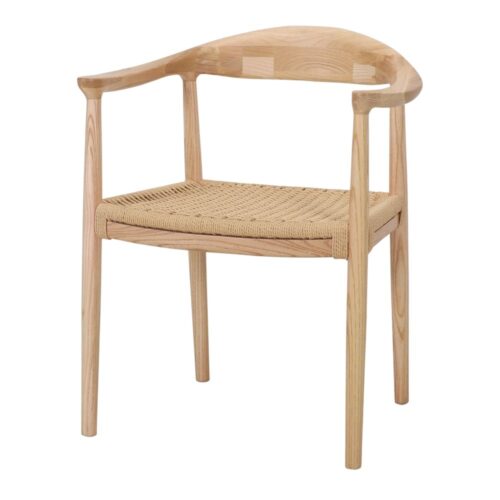
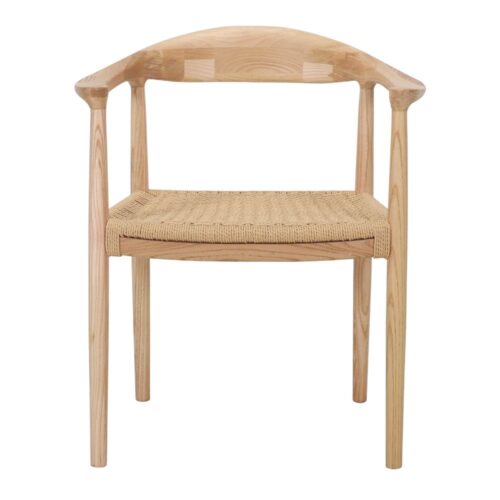
Chairs with a wooden frame and a seat or backrest made of natural fibre are one of the hottest trends right now. Wicker, rattan or braided rope add a handcrafted, elegant touch that goes perfectly with wooden furniture. This type of chair works very well in Mediterranean restaurants as well as in venues with a vintage or bohemian feel.
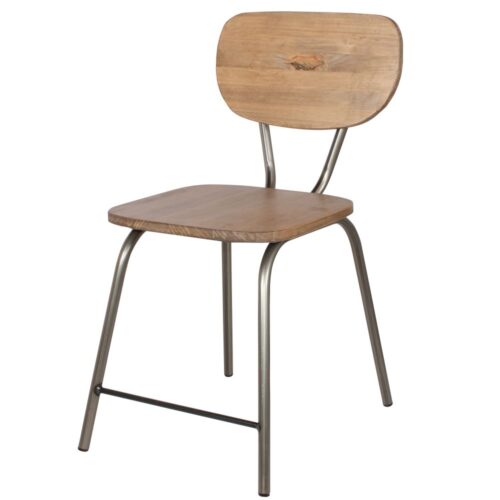
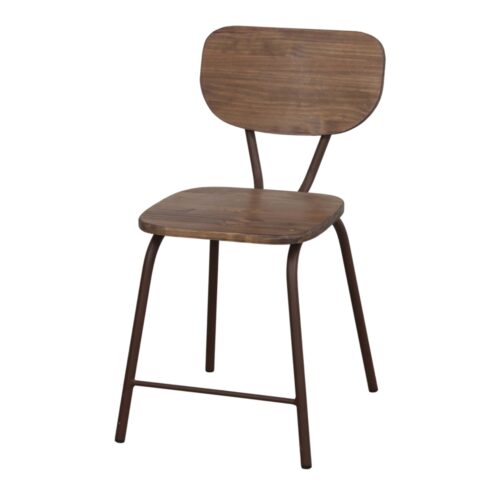
At MisterWils, you can find wooden chairs with slatted seats, upholstered chairs with wooden frames, and models that combine wood and metal – ideal for hospitality projects. This type of wooden furniture not only enhances the aesthetic appeal but also creates visual cohesion throughout the space.

Wooden furniture for the bar area: stools that give the venue a modern look
The bar is a key area in any restaurant. It’s where many customers have a quick drink, wait for a table or even decide to stay. If the bar stools are worn out or unattractive, it affects the first impression.
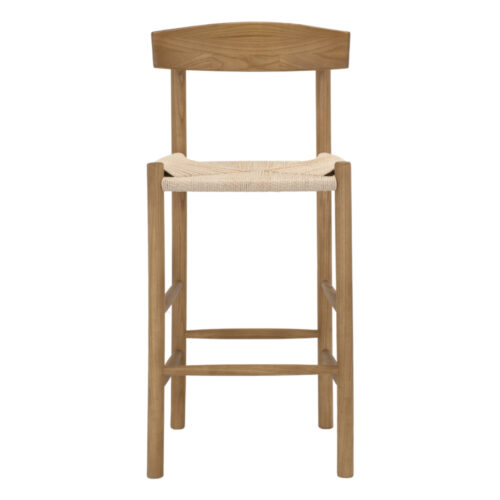
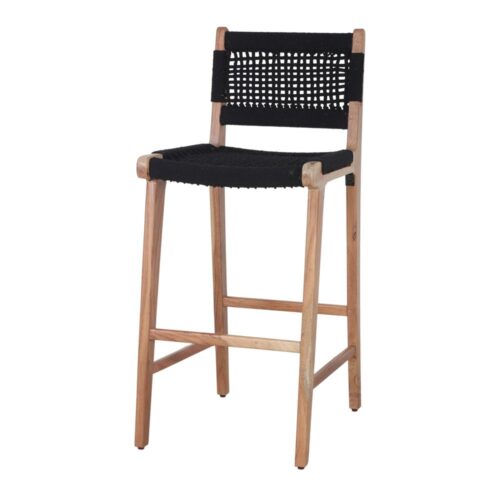
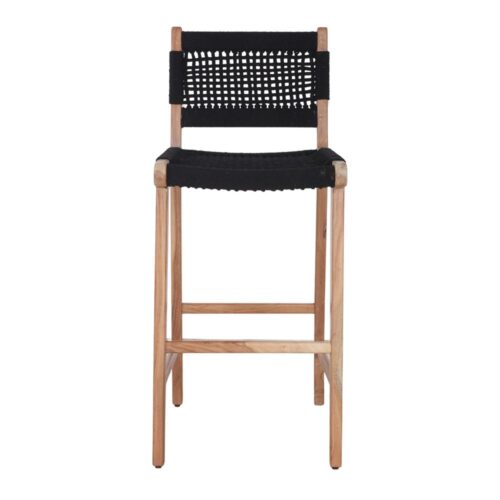
Refreshing this area with wooden furniture is a smart choice, as wooden stools add both style and durability. What’s more, when paired with fibre or rope seating, they create a modern, natural look that is very much in vogue in commercial interior design.
Tall wooden stools with metal footrests work very well in gastropubs and contemporary venues. Wooden stools with woven seats are better suited to Mediterranean-style cafés or restaurants with a relaxed atmosphere.
At MisterWils, you’ll often find stools with natural finishes, with or without backrests, designed for the hospitality industry. Choosing wooden bar stools allows you to refresh the space without any building work or alterations, and the results are immediate.

Benches and wooden furniture to make the most of the space
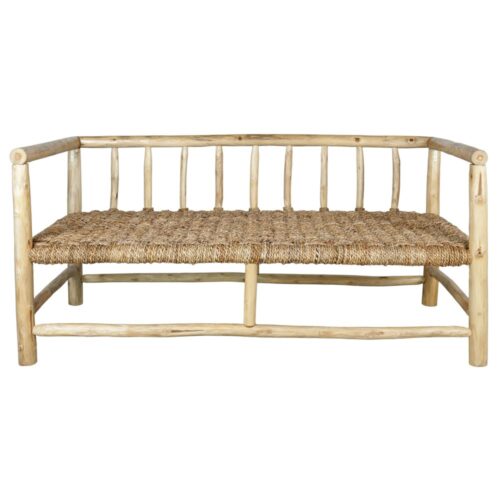
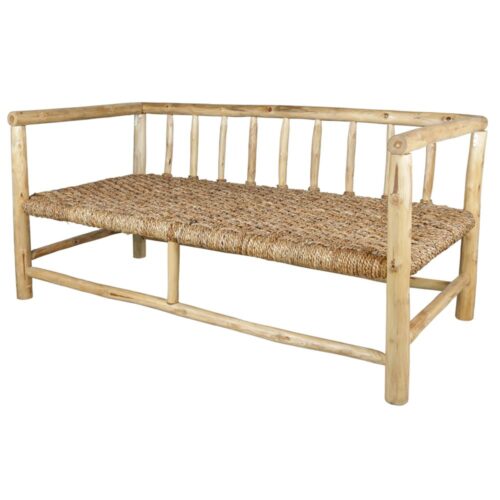
One of the most practical solutions in the hospitality industry is to incorporate long benches. Not only do they increase seating capacity in the dining area, but they also create a more welcoming atmosphere and help to divide the space into distinct zones.
Benches made from solid wood are particularly recommended because they are sturdy, stable and go well with almost any table. What’s more, when paired with cushions or upholstery in neutral tones, they add both comfort and style to the restaurant.
This type of furniture is ideal for family-friendly restaurants, venues with a long, narrow layout, or spaces that need to make the most of the walls. At MisterWils, you can find wooden benches that complement rustic tables, industrial-style tables or contemporary-style tables.

Sideboards and shelving units: wooden furniture to add a professional touch
A restaurant isn’t defined solely by its tables and chairs, but also by the occasional furniture that adds both functionality and style. Wooden sideboards are an ideal choice for keeping things tidy, as they allow you to store cutlery, tablecloths, crockery or bottles in a practical and accessible way. They also provide the perfect surface for creating a decorative corner with plants, handmade ceramics or ambient lighting, enhancing the sense of quality and care in the space.
On the other hand, shelving is an excellent way to make the most of empty walls and draw attention to them. When positioned well, it transforms the atmosphere, creating a cohesive look and reinforcing the venue’s identity. Wooden shelving, particularly when combined with iron, works very well in modern restaurants and allows for the display of items such as bottles, decorative tableware or indirect lighting.
This furniture also works well in cafés or venues with a warm, industrial style, striking a balance between the natural and the urban.

Wooden furniture for patios and outdoor areas
If your restaurant has a terrace, refurbishing it is essential. The terrace is the first point of contact with customers, and many decisions about whether to come in are based on what can be seen from outside. A well-maintained terrace encourages people to sit down and enhances the business’s image.
Nowadays, there is a range of outdoor-ready wooden furniture available, treated to withstand damp and temperature fluctuations. When combined with synthetic fibre or technical rope, this creates a natural look that is also highly durable.
At MisterWils, you’ll find chairs, tables and armchairs designed for terraces, ideal for Mediterranean restaurants, beach clubs or venues looking for an elegant, natural style.
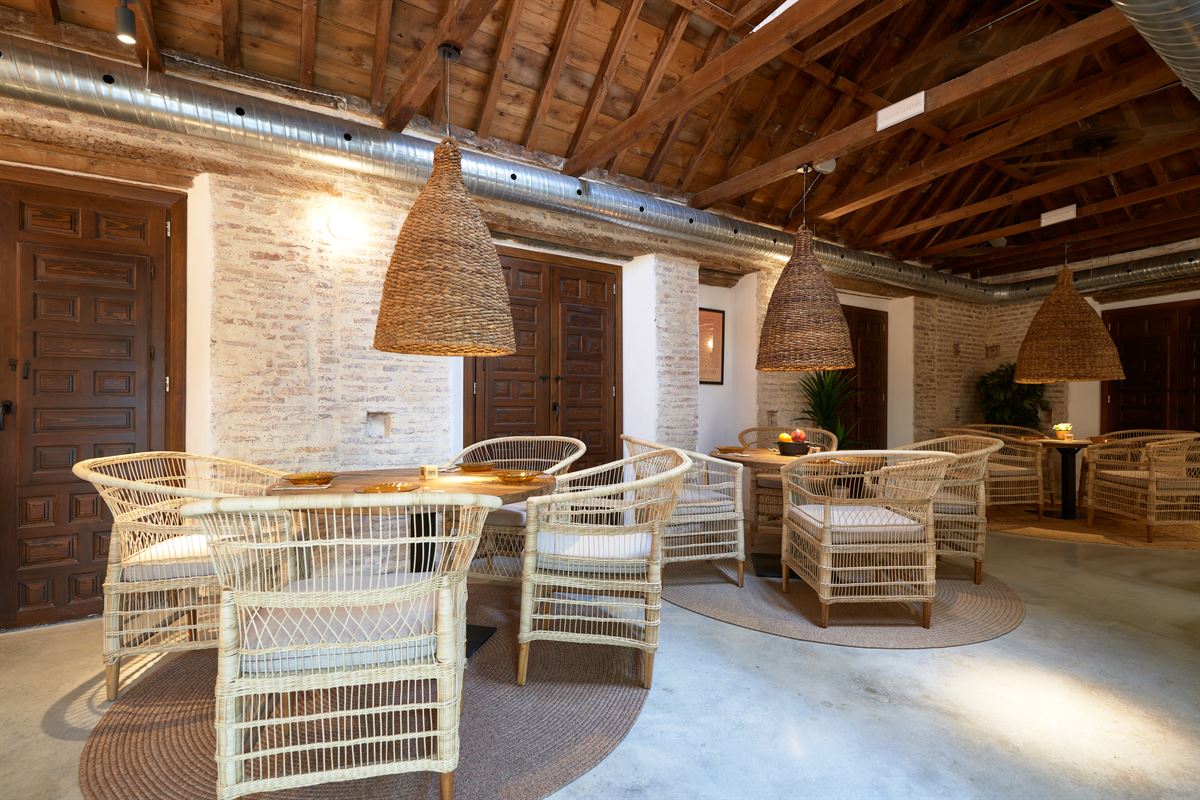
How to combine wooden and rattan furniture without making the restaurant feel cluttered
Although the combination of wood and fibre is very attractive, it is best not to overcrowd the space. If all the furniture is too similar, the restaurant may lack visual contrast and appear flat.
To create balance, it is best to incorporate elements that provide contrast, such as black metal frames, warm lighting, plain fabrics, or stone and ceramic surfaces. This allows the wooden furniture to take centre stage without overwhelming the overall look.
It is also important to maintain consistency in colour tones. If you opt for light-coloured wooden furniture, it is best to stick to this style for most pieces, avoiding mixing too many different shades.

A makeover without building work: the power of changing your wooden furniture
One of the major advantages of refurbishing with new furniture is that you don’t need to close the premises for weeks on end. Replacing wooden furniture can be done in just a few days, and the visual impact is huge.
Updating tables and chairs is the first thing people notice. Adding new stools to the bar changes the feel of the space. Incorporating sideboards, display cabinets or shelving adds a professional touch and creates a sense of order. All of this can be done without any building work and on a modest budget, yet with highly visible results.
That is why more and more restaurants are choosing to revamp their image with wooden furniture, as it is a quick way to modernise the premises and bring them in line with current trends.
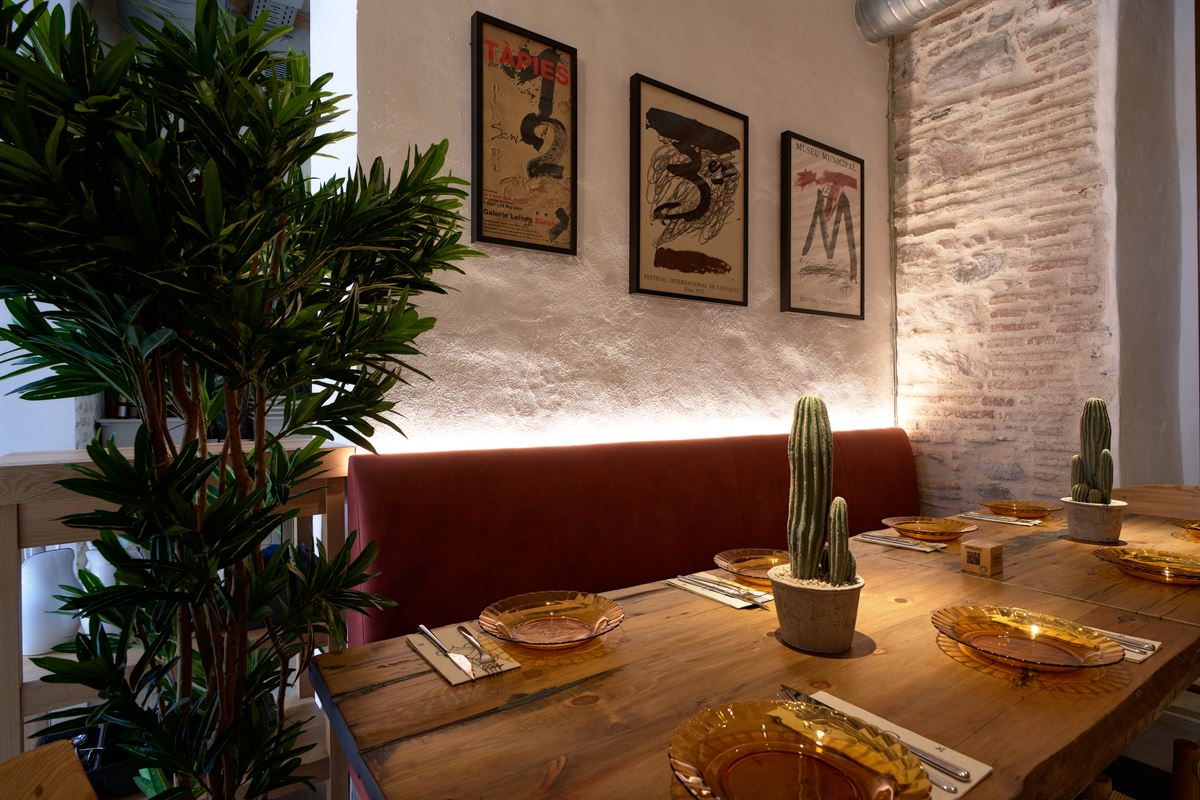
How to care for wooden furniture in the hospitality industry to make it last longer
Wooden furniture is durable, but it requires minimal care to keep it looking as good as new. In a restaurant, it is advisable to clean it with soft cloths, avoid abrasive products and control humidity as much as possible.
It is also a good idea to protect tabletops with suitable varnishes or specific treatments if they are made of natural wood. On terraces, it is advisable to choose wooden furniture treated for outdoor use or to use protective covers when not in use.
With basic maintenance, wooden furniture can last for many years and continue to look stylish, even in a high-traffic environment.
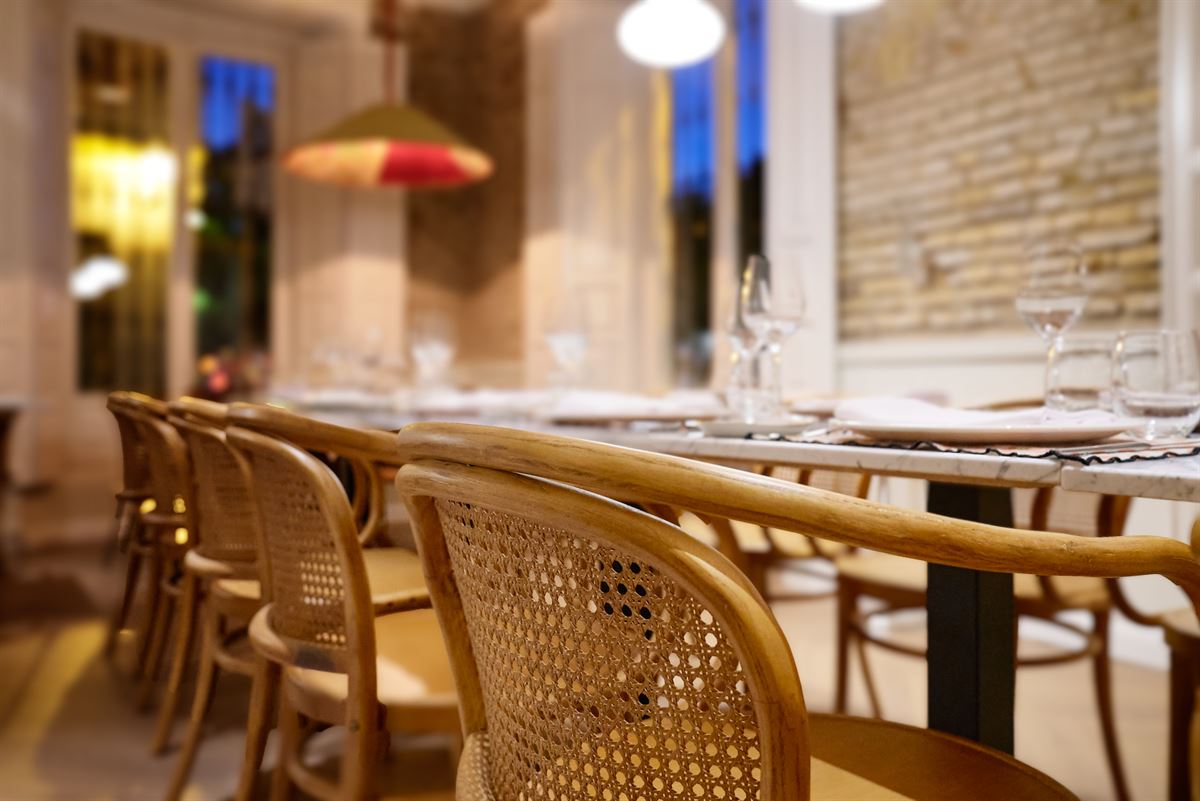
Which wooden furniture to choose from MisterWils to revamp your restaurant
Renovating a restaurant doesn’t always mean carrying out major building work, laying new flooring or overhauling the entire lighting system. In many cases, the most striking and effective change comes from updating the furniture to redefine the style of the space. In an industry as competitive as the hospitality sector, the atmosphere has become a key tool for attracting customers, enhancing their experience and standing out from the competition. Opting for natural furniture is one of the most successful strategies, with wooden furniture combined with natural fibres being particularly noteworthy, as they convey an authenticity and comfort that invite customers to feel at ease and want to return. These materials evoke a sense of craftsmanship and work in practically any style, from Mediterranean to warm industrial or Japandi.
Wooden furniture is a safe bet thanks to its balance of style and practicality, as it can withstand heavy daily use without losing its premium look. By combining this sturdiness with the visual lightness of materials such as rattan, mesh or rope, you can create balanced spaces full of character. To transform the dining area – the heart of the restaurant – you could opt for chairs that are right on trend, such as the The Anderes wooden chair, the Cassia wooden and rope chair, or the functional Kitchen wooden chair, all available in the MisterWils catalogue. These items not only enhance the look of the setting, but also ensure the necessary comfort so that poor posture doesn’t spoil the dining experience.
When it comes to work and dining surfaces, a solid wood table can become the undisputed centrepiece of the room. Models in stock such as the The Trestel dining table or the Joquer dining table, both made from recycled pine, offer a robustness and traditional character that are ideal for venues seeking a natural or vintage style. Meanwhile, the bar area is a key feature, and updating it with modern stools such as the The Rosco wooden and rope stool, the Patsy high stool or the Kandice low stool allow you to instantly update the look of your premises without the need for any alterations or building work.
For spaces that need to maximise capacity without compromising on style, bench seating such as the Valentino bench made of wood and natural fibre are a practical solution that helps to create cosy atmospheres. Finally, the inclusion of occasional furniture such as the Odum wooden sideboard It helps keep kitchenware organised whilst adding a professional and sophisticated decorative touch. Making these changes using wooden and fibre-based furniture is a quick and cohesive way to modernise the business, enhancing the customer’s perception of value and reinforcing the brand’s identity.

The future of your restaurant lies in wooden furniture
Choosing wooden and fibre furniture is a safe bet. Wooden furniture isn’t just a passing fad, but a solid foundation on which to build your business’s identity. If you’re looking for quality, design and immediate availability, our wooden furniture is the solution you need.
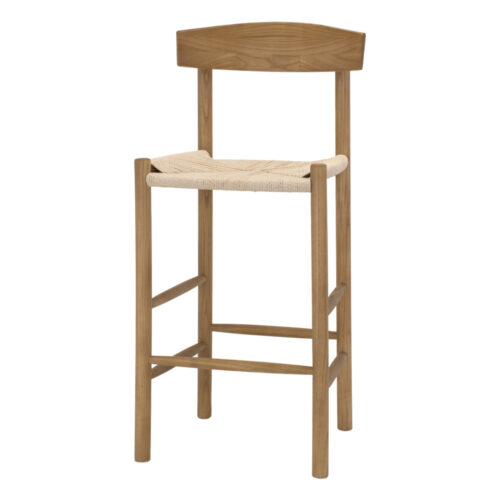



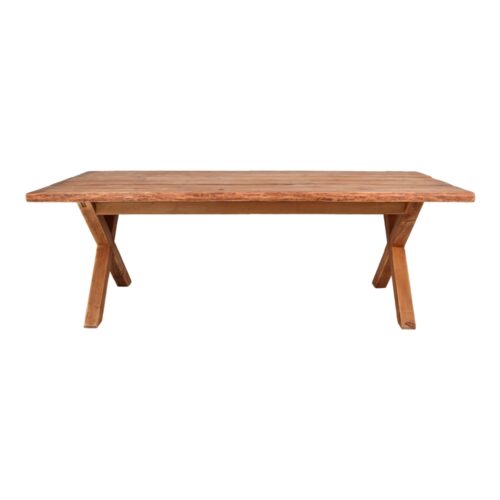
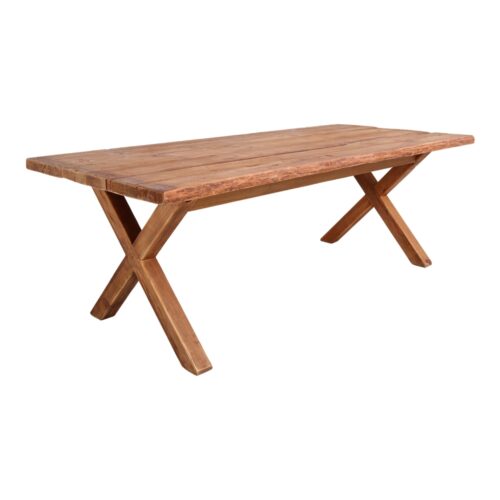


JOQUER WOODEN DINING TABLE
Out of stock
✖ Out of stock (made to order or coming soon)
577,17€ (VAT included)