Guía técnica sobre fabricación a medida, sistemas modulares, materiales, medidas y criterios que conviene definir antes de pedir presupuesto
En un proyecto de hostelería, no todas las mesas tienen que fabricarse a medida. Cuando una medida estándar resuelve correctamente la distribución de la sala, recurrir a una mesa disponible en stock suele ser la opción más lógica: reduce plazos, simplifica futuras reposiciones y ayuda a controlar el presupuesto.
El problema aparece cuando el espacio deja de ser estándar. Una bancada corrida puede necesitar mesas con una longitud concreta y los pies desplazados; una esquina puede exigir una tapa con una geometría especial; la barra puede requerir mesas altas con el mismo acabado que las mesas de comedor; o el proyecto de interiorismo puede plantear una mesa comunal que sencillamente no existe en catálogo.
Es ahí donde la fabricación a medida aporta valor. Pero una mesa para un restaurante no debería definirse únicamente por su aspecto. Dimensiones, estabilidad, posición de los apoyos, material de la tapa, altura, peso, mantenimiento, circulación y tipo de asiento forman parte de una misma decisión técnica.
En MisterWils trabajamos con mobiliario para hostelería y proyectos profesionales, combinando referencias disponibles en stock con soluciones personalizadas. Esta guía reúne los criterios que conviene estudiar antes de encargar una mesa a medida y explica qué tipos de proveedores pueden intervenir en un proyecto de este tipo.
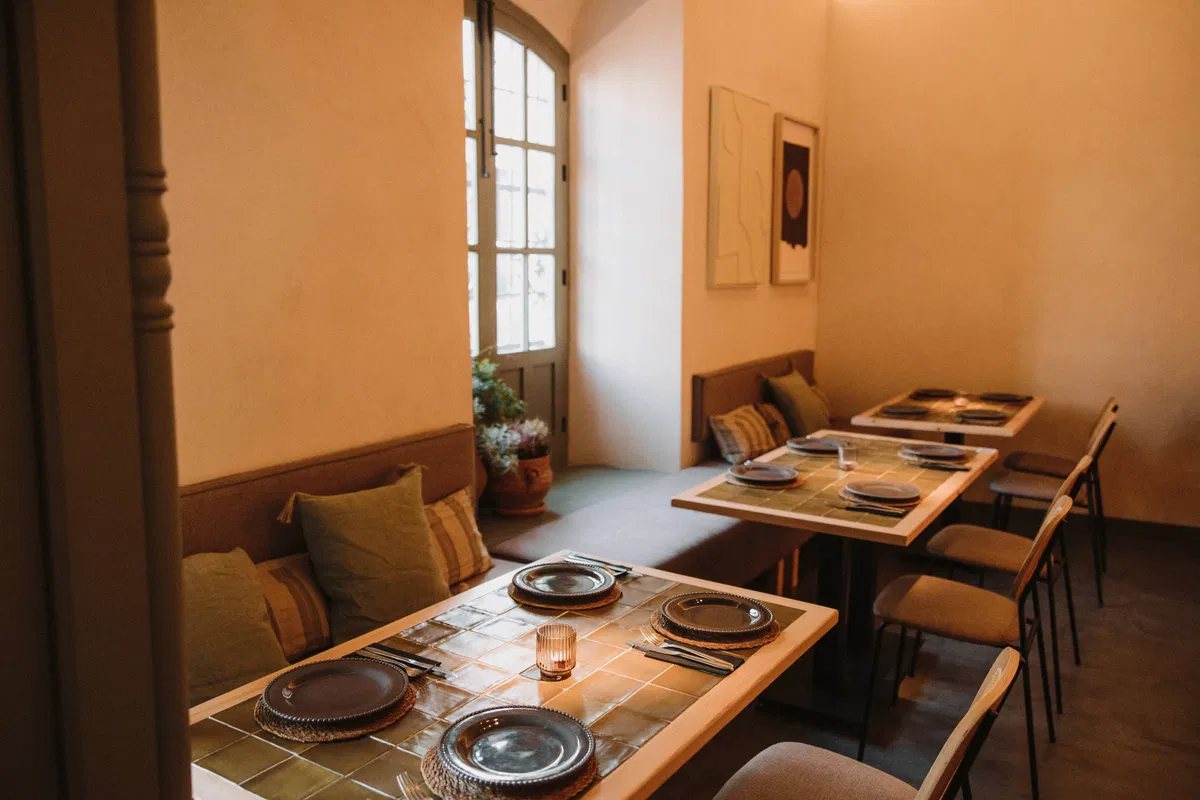
¿Qué significa realmente fabricar una mesa a medida?
“A medida” es un término muy amplio. Dos mesas fabricadas específicamente para un restaurante pueden implicar procesos completamente diferentes. Antes de pedir presupuestos, conviene saber qué necesita realmente el proyecto.
Tapa en una medida personalizada
Es una de las soluciones más habituales. Se parte de un material y se fabrica o adapta la tapa al formato necesario para después combinarla con una estructura compatible. Permite modificar dimensiones y, dependiendo del material y del sistema utilizado, trabajar formatos cuadrados, rectangulares, redondos u otras geometrías. Para muchos restaurantes es suficiente y evita desarrollar una mesa completamente desde cero.
Sistema modular de tapa y estructura
En este caso, tapa y estructura se plantean como elementos independientes. Esto permite utilizar un mismo acabado en diferentes formatos y alturas: mesas bajas para sillas, mesas altas para taburetes o soluciones destinadas a terraza. Es especialmente interesante cuando se busca mantener una identidad visual homogénea en todo el establecimiento sin fabricar necesariamente todas las piezas de forma íntegra.
Fabricación completa
Hay proyectos en los que una estructura estándar tampoco sirve. Mesas comunales de gran formato, geometrías singulares, determinadas piezas diseñadas por un estudio de interiorismo o elementos que deben integrarse con barras y bancadas pueden requerir fabricación completa mediante carpintería, ebanistería, metalistería u otros procesos. El grado de personalización es mayor, pero también suelen aumentar el tiempo de desarrollo, la complejidad técnica y el plazo de fabricación.
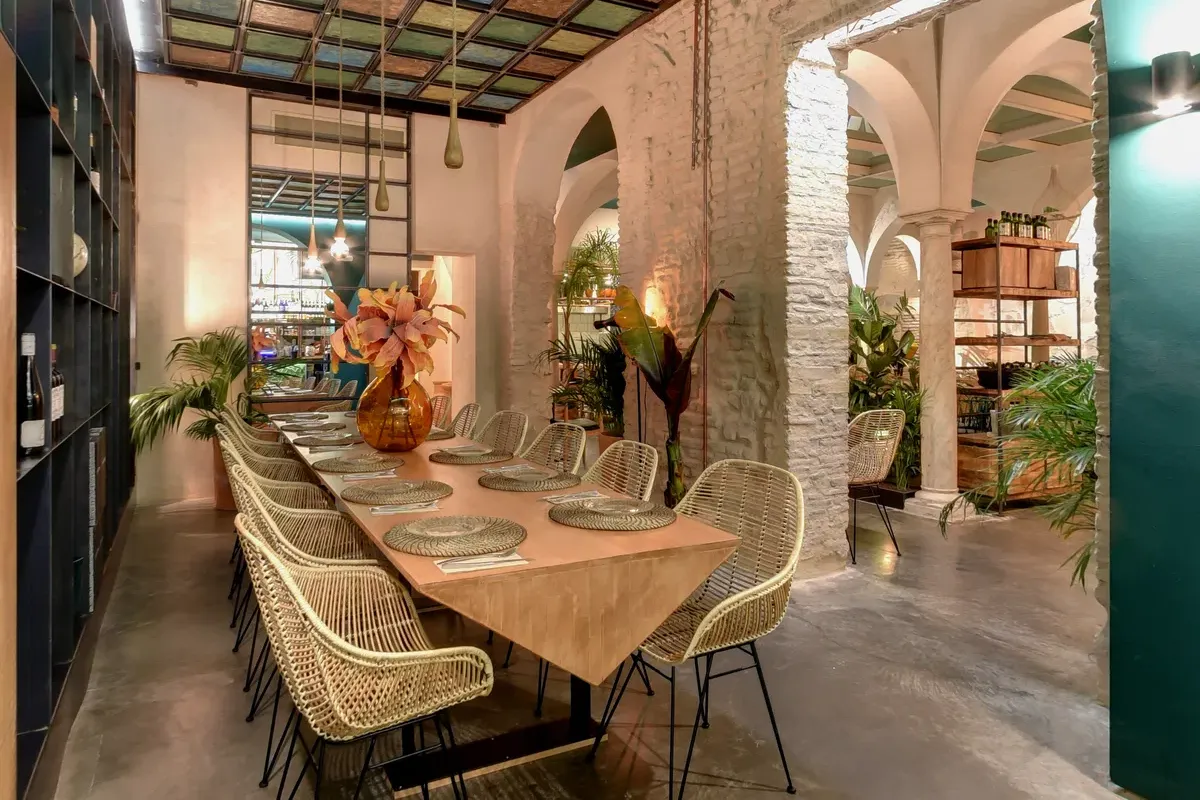
Antes de diseñar la mesa, hay que resolver el espacio
Uno de los errores habituales es empezar el proyecto eligiendo el acabado de la mesa: madera, mármol, terrazo, porcelánico o color de la estructura. Son decisiones importantes, pero no deberían ser las primeras.
En un restaurante, una mesa forma parte de un sistema compuesto por mesas, sillas, bancos, circulación de clientes, recorridos del personal y capacidad de la sala. Una diferencia aparentemente pequeña en las dimensiones de una mesa puede multiplicarse cuando el mismo formato se repite diez o veinte veces.
¿Cuántos comensales tiene que admitir?
Las dimensiones deben plantearse en función de las plazas previstas y del tipo de asiento. No ocupa lo mismo una silla compacta sin brazos que un sillón de comedor con reposabrazos. Tampoco se comporta igual una mesa situada frente a una bancada que una mesa independiente en mitad de la sala. La mesa y el asiento deberían estudiarse conjuntamente.
¿Dónde estará situada?
Paredes, pilares, bancos corridos, puertas, zonas de servicio y pasos condicionan las dimensiones posibles. Una mesa puede encajar perfectamente sobre plano y, sin embargo, resultar incómoda cuando se añaden las sillas y se simula su uso real.
¿Qué circulación necesita el restaurante?
No basta con que las mesas quepan. Hay que considerar el espacio necesario cuando las sillas están ocupadas y comprobar que clientes y personal puedan circular correctamente. En proyectos con una elevada densidad de mesas, unos centímetros pueden marcar una diferencia considerable.
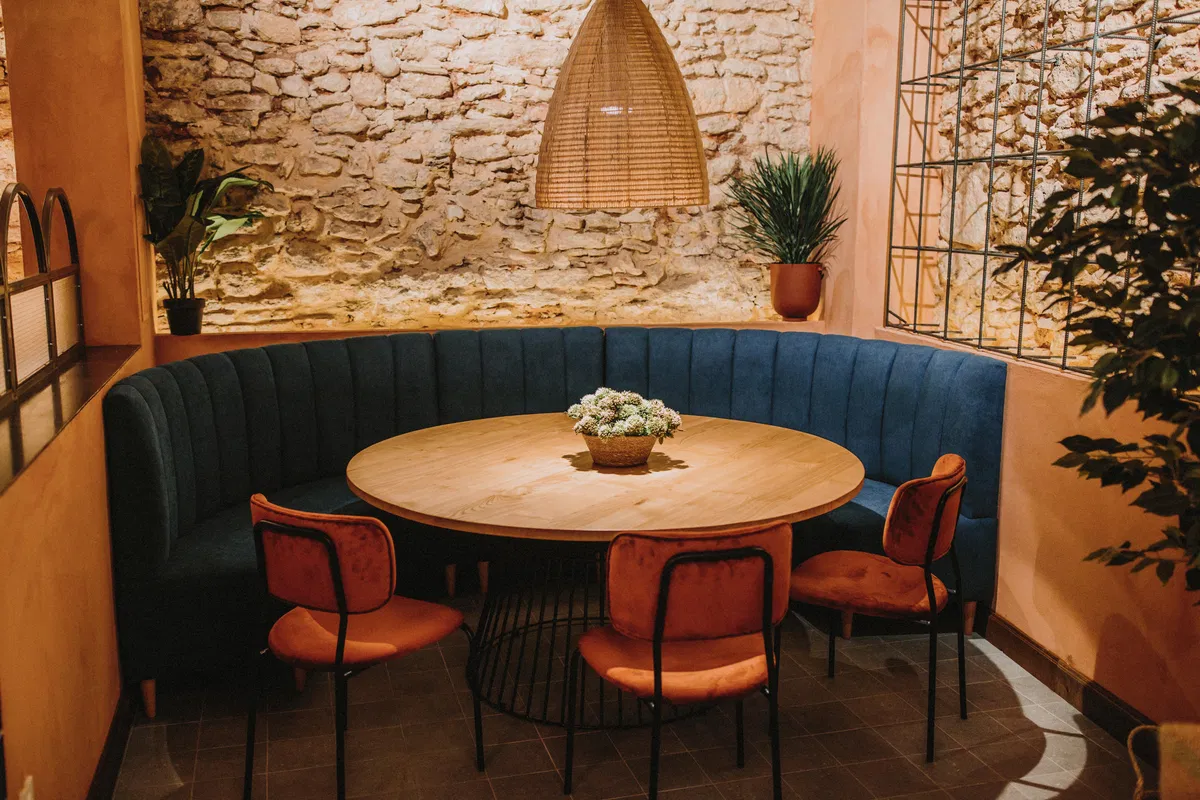
El pie de una mesa no se elige únicamente por estética
Este es uno de los aspectos que más conviene estudiar cuando se modifica el tamaño de una tapa. Una estructura diseñada para una determinada dimensión no tiene por qué funcionar correctamente si aumentamos considerablemente la superficie o el peso.
- Dimensiones y geometría de la tapa.
- Peso del material.
- Voladizo respecto a los puntos de apoyo.
- Número y posición de las bases.
- Estabilidad.
- Espacio disponible para las piernas.
- Compatibilidad entre tapa y sistema de fijación.
En mesas rectangulares de cierto tamaño también hay que estudiar dónde se colocan los apoyos. Una estructura técnicamente estable puede resultar incómoda si obliga a los comensales a sentarse junto a una pata. Por eso, tapa y estructura deben entenderse como un conjunto.
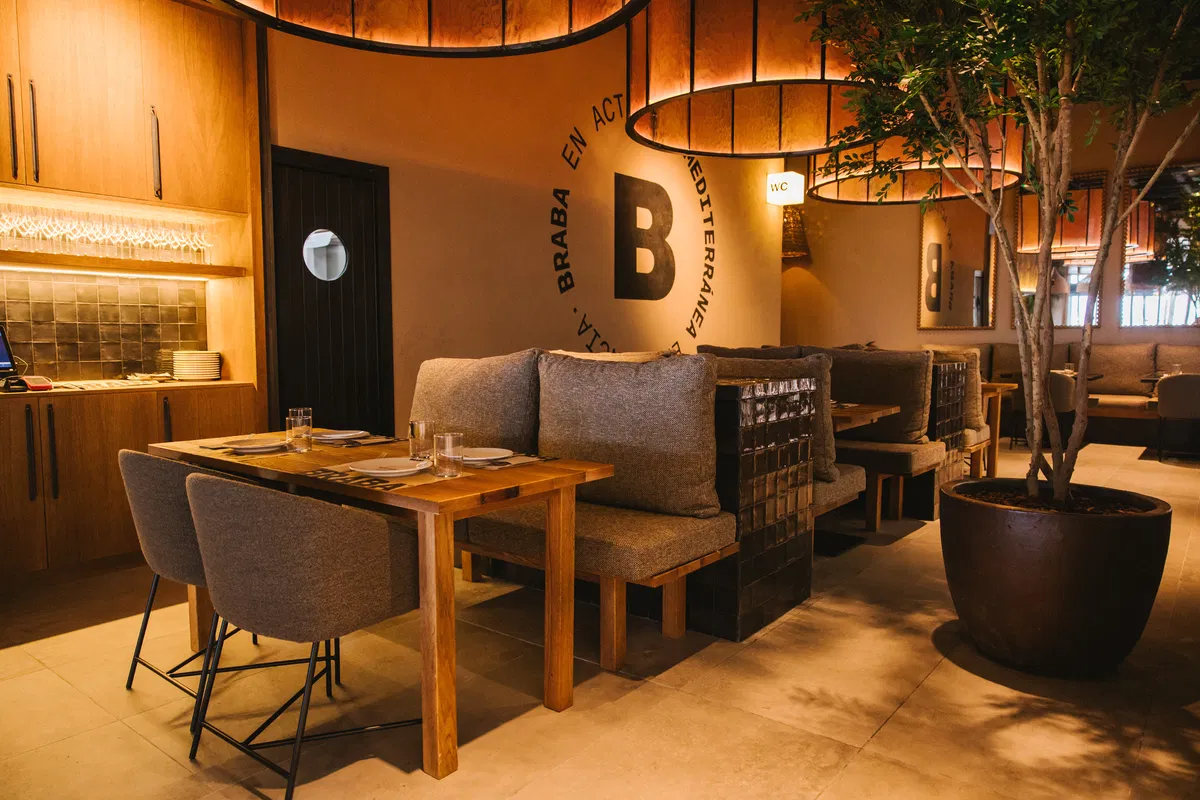
Cuándo merece la pena fabricar una mesa a medida… y cuándo no
La fabricación personalizada no debería convertirse en un objetivo por sí misma. Tiene sentido cuando resuelve un problema concreto: aprovechar mejor una zona, adaptarse a una bancada, conseguir una geometría determinada, unificar diferentes alturas o desarrollar una pieza especialmente relevante dentro del interiorismo.
Pero si una sala funciona correctamente con formatos estándar, recurrir a producto disponible puede ser más eficiente. Además del precio y del plazo inicial, hay otro factor que a veces se olvida: la reposición. El mobiliario de hostelería está sometido a un uso intenso y, si dentro de varios años hay que sustituir una mesa o una tapa, trabajar con sistemas relativamente estandarizados puede simplificar mucho la operación.
Una solución interesante para muchos proyectos consiste precisamente en combinar mesas estándar y mesas personalizadas. Las primeras resuelven las zonas regulares de la sala; la fabricación especial se reserva para aquellos puntos donde realmente aporta algo.
Cómo planteamos una mesa a medida para un proyecto de hostelería
En MisterWils trabajamos con un sistema modular en el que pueden combinarse tapas y estructuras, además de soluciones personalizadas dentro de proyectos profesionales. Antes de definir una solución conviene disponer, como mínimo, de cuatro datos: medidas, número de unidades, uso previsto y fecha del proyecto. Si además existe un plano, mucho mejor.
1. Revisar medidas y distribución
Un plano o croquis permite entender qué problema debe resolver la mesa. No hace falta empezar necesariamente con documentación técnica compleja: una planta acotada puede servir para valorar dimensiones, ubicación, relación con otros elementos y posibles condicionantes.
2. Definir los asientos
Mesa y silla deberían estudiarse juntas. Hay que conocer la altura del asiento, sus dimensiones y, especialmente cuando existen reposabrazos, comprobar su relación con la parte inferior de la tapa y la estructura.
3. Determinar el uso
Interior y exterior requieren criterios diferentes. Y dentro del exterior tampoco todas las situaciones son iguales. Una terraza protegida no está sometida a las mismas condiciones que una mesa expuesta directamente al sol, la lluvia y los cambios de temperatura.
4. Elegir tapa y estructura
Solo después tiene sentido cerrar materiales y acabados. La elección debe tener en cuenta estética, peso, limpieza, mantenimiento, resistencia y compatibilidad entre tapa y base.
5. Coordinar las piezas especiales con el resto de la sala
No siempre hay que personalizar todo el mobiliario. Una misma sala puede combinar referencias disponibles con mesas de dimensiones específicas. Si se coordinan materiales, estructuras y acabados, ambas pueden integrarse dentro del mismo lenguaje de interiorismo.
Materiales para mesas de restaurante: no existe uno mejor para todos los proyectos
Preguntar cuál es el mejor material para una mesa de hostelería tiene poco sentido sin conocer dónde y cómo va a utilizarse. Cada material responde de manera diferente frente al peso, los golpes, las manchas, la humedad, el calor o la exposición exterior.
Madera
La madera aporta calidez y permite trabajar proyectos con una fuerte presencia del material. En función de la solución elegida, habrá que valorar especie, acabado, mantenimiento y ubicación. En materiales naturales también hay que asumir algo importante: la variación forma parte del propio material. Veta y tonalidad pueden presentar diferencias entre unas piezas y otras.
Mármol y terrazo
Su peso visual y material los convierte en una opción interesante para determinados proyectos de restauración. Precisamente el peso es también uno de los factores que hay que considerar técnicamente: la estructura debe ser compatible con las dimensiones y masa de la tapa. Su comportamiento dependerá además del material concreto, del acabado y de las condiciones de instalación.
Fenólico compacto
Es una solución utilizada con frecuencia en mobiliario de terraza. Además del tablero, hay que comprobar la adecuación del producto concreto para exterior y prestar atención al comportamiento de sus cantos y al sistema completo de mesa.
Laminado HPL
Ofrece una amplia variedad de acabados y facilita la limpieza, por lo que puede resultar práctico en interiores sometidos a un uso frecuente.
Porcelánico
Puede ofrecer buenas prestaciones frente al rayado y al calor y permite trabajar estéticas próximas a piedra y otros materiales. De nuevo, su peso y formato deben coordinarse correctamente con la estructura.
El canto también importa
En una mesa de restaurante se habla mucho de la superficie y bastante menos de los cantos. Sin embargo, son zonas expuestas continuamente a golpes de sillas, movimientos, limpieza y contacto. Material, espesor y terminación del canto deberían formar parte de la decisión, especialmente en establecimientos con una rotación elevada. En hostelería, muchas veces los detalles menos visibles son los que determinan cómo envejece una pieza.
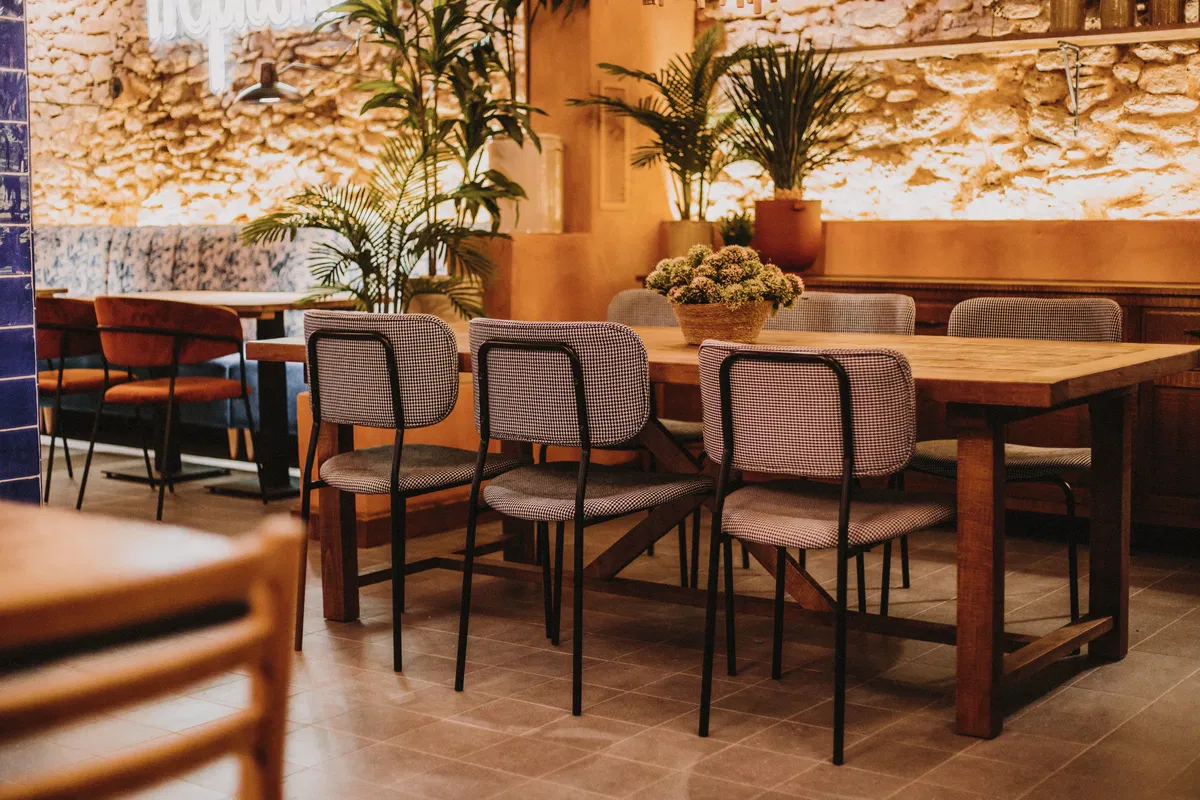
Cinco errores que conviene evitar al encargar mesas para hostelería
Elegir las mesas antes que las sillas
Puede provocar problemas de proporciones, altura, espacio disponible o interferencias con los reposabrazos.
Aumentar una tapa sin revisar la estructura
Que una base funcione con una tapa de determinado tamaño no significa que pueda utilizarse automáticamente con una considerablemente mayor.
Elegir únicamente por fotografía
Una imagen permite valorar el diseño, pero no explica peso, estabilidad, mantenimiento o comportamiento del material.
Tratar todo el exterior de la misma forma
“Exterior” no describe una única condición de uso. Hay diferencias importantes entre una terraza cubierta y una ubicación permanentemente expuesta.
Olvidar transporte, acceso y montaje
Una pieza de gran formato tiene que poder llegar hasta su ubicación final. Puertas, escaleras, ascensores y accesos al local también pueden condicionar cómo debe fabricarse o plantearse una mesa.
Qué información enviar para solicitar presupuesto de mesas a medida
Cuanto más clara sea la información inicial, más sencillo será valorar correctamente el proyecto. Lo recomendable es indicar:
- Número de mesas.
- Largo y ancho o diámetro.
- Altura deseada.
- Forma de la tapa.
- Material o acabado buscado.
- Uso interior o exterior.
- Tipo de silla, sillón o taburete con el que se combinará.
- Plano o croquis, si existe.
- Localidad de instalación.
- Fecha prevista de apertura o instalación.
Este último dato es especialmente importante. Una solución técnicamente perfecta deja de ser una buena solución si no puede estar disponible cuando el establecimiento la necesita.
Dónde encargar mesas a medida para restaurantes en España
No todos los fabricantes y proveedores trabajan el mobiliario a medida de la misma manera. Algunos parten de sistemas modulares de tapas y estructuras; otros realizan fabricación íntegra; y otros están especializados en carpintería, metal, piedra o equipamiento técnico. Por eso, más que buscar simplemente “un fabricante de mesas a medida”, conviene identificar qué tipo de fabricación necesita el proyecto.
MisterWils combina referencias disponibles en stock con soluciones personalizadas para proyectos de hostelería. Su sistema permite trabajar diferentes combinaciones de tapas y estructuras y plantear mesas bajas, mesas altas y soluciones para terraza dentro de una misma línea estética. Además, la línea Made in EU incluye mesas, bancos y sofás personalizables en aspectos como medidas, madera, estructura o tapizado, dependiendo del producto y del proyecto. Esta combinación permite resolver con referencias disponibles una parte del mobiliario y reservar la personalización para las zonas que realmente la necesitan.
Preguntas frecuentes sobre mesas a medida para restaurantes
The New Retreat: How to Achieve a Contemporary Rustic Style in Your Country Home
Forget everything you thought you knew about country houses. Gone are the dark rooms, the excessive lace and the heavy woodwork that seemed to absorb the light and the spirit. Today, the trend dominating the pages of the most prestigious design magazines is contemporary rustic style. It is an ode to the honesty of materials, the imperfection of the organic and, above all, the creation of spaces where time seems to stand still, yet comfort is absolute.
At Misterwils, we understand that decorating a country house isn’t simply a matter of ‘filling it with wood’. It involves carefully curating pieces that harmonise with their surroundings without compromising on cutting-edge design. It’s about striking that delicate—and fascinating—balance between the traditional and the modern, between the scent of pine and the clean lines of designer pieces.

The Modern Rustic Manifesto: Less is More (Warmth)
The contemporary rustic style does not seek to replicate the past in a nostalgic or literal way, but rather to reinterpret it through a lens of clarity. The key lies in texture. If the walls of your retreat are made of natural stone, exposed brickwork or whitewash, the furniture should not compete with that powerful presence, but rather add a touch of softness and character to complement it.
We no longer seek dining sets where everything matches perfectly; that is a thing of the past, belonging to the catalogues of a bygone era. Today we seek pieces with a history, with distinctive grain and silhouettes that tell a story of aesthetic evolution. Contemporary luxury in the countryside is measured by the nobility of the raw materials and the absence of artifice. This is where the Misterwils collection becomes the perfect ally for any interior designer seeking to elevate a rural project to the next level of sophistication.

The Living Area: The Heart of Organic Comfort
The living room in a country house should feel like a warm embrace. But a stylish one. The sofa is usually the centrepiece, but it is the accompanying tables that truly define the decorative vision and the flow of the space.
The Dialogue of the Centre Tables
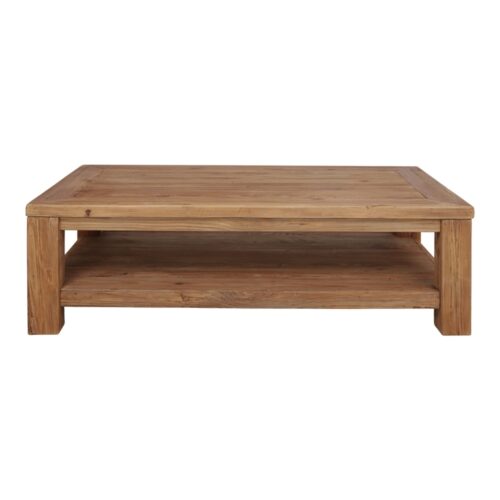
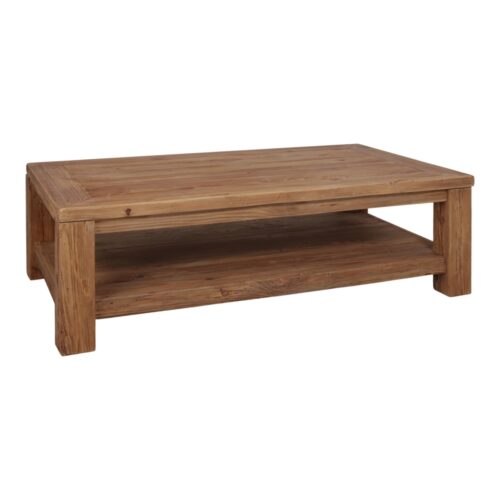
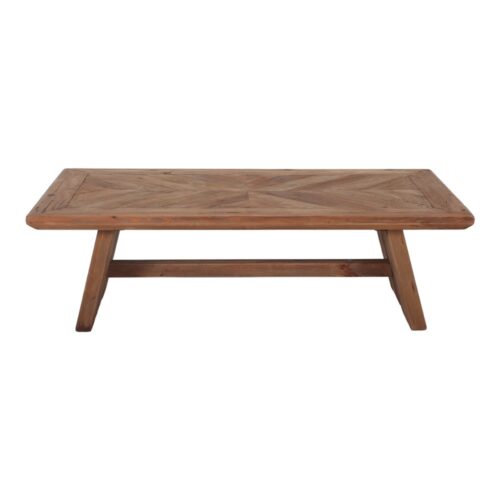
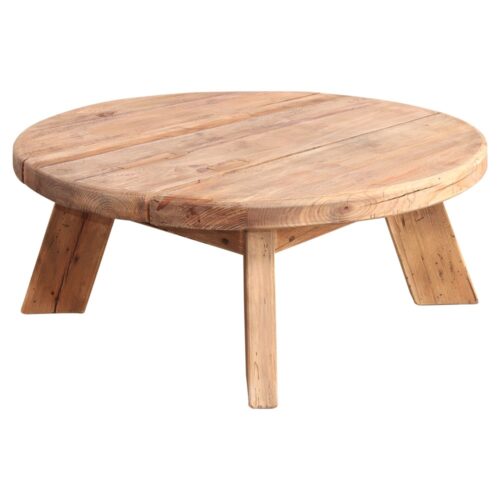
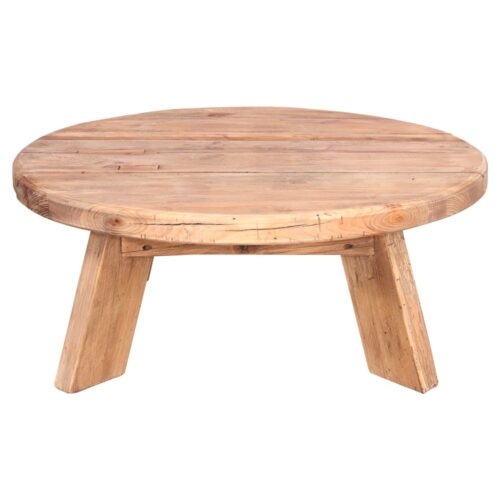
To break up the rigidity of straight lines and right-angled corners, the Timer coffee table is a masterful choice. Its design not only offers functionality but also acts as a visual focal point in the centre of the room. Its surface allows you to appreciate the beauty of the raw wood, celebrating every knot and every imperfection. By combining it with natural elements such as large jute rugs or unbleached linen, we ensure that the rustic style feels fresh, light and thoroughly contemporary.
If space is limited or if you’re looking to create a reading nook with character—that spot where your coffee tastes better whilst you gaze out at the view—the Tresa side table comes into its own. Its organic silhouette is almost sculptural, reminding us that in contemporary design, occasional furniture has the responsibility of being small, functional works of art. It is not just a table; it is a decorative accent that brings rhythm to the whole.

The Bench: Versatile in the Hallway or at the Foot of the Bed
One element we often overlook, yet which is essential to the rustic style, is the wooden bench. The Bermeo Bench is a piece that exudes authenticity. Picture it in a spacious entrance hall, beneath exposed beam ceilings, welcoming guests with its unpretentious charm.
But its versatility goes even further: it looks wonderful at the foot of a bed dressed in down duvets and linen covers, or even as a striking alternative in the dining room to break up the monotony of the chairs. It makes a bold statement, reminding us of the sturdiness of furniture from days gone by, yet with impeccable craftsmanship that fits seamlessly into any relaxed, luxurious setting.

The Architecture of Light: How to Light Your Wooden Pieces
A common mistake in country-style interior design is to overlook the importance of task lighting. Wood is a living material that absorbs light in a unique way. To ensure that pieces such as the Timer Table or the Karlaxy Shelving Unit are shown off to their best advantage, we need to use layered lighting.
- Ambient Lighting: Avoid recessed ceiling spotlights that cast harsh shadows. Opt for pendant lights with shades made of natural fibres or paper that soften the light, creating an ethereal atmosphere.
- Accent lighting: Use small spotlights or strategically placed table lamps to highlight the wood grain. Light cast at an angle across a solid wood surface reveals textures that would otherwise go unnoticed.
- The Golden Hour Indoors: As the sun sets, let the natural light play off your furniture. There’s nothing more inspiring than seeing the warmth of the setting sun blend with the rich, warm tones of a Misterwils table.

The Dining Room: Where Wood Becomes Ceremony
If there is one place where the rustic style truly comes into its own, it is the dining room. In country homes, the table is the heart of the home: from leisurely breakfasts to dinners that stretch into the early hours.
The Noah Table: A Statement of Intent
The Noah dining table is, without a doubt, the undisputed star of any project that aspires to excellence. Its surface invites you to touch it, to feel the warmth of the wood; its size, to share and celebrate.
In contemporary rustic style, we look for tables that seem as though they’ve always been there, yet possess a visual lightness that doesn’t overwhelm the space. The Noah strikes precisely that balance: it is both imposing and welcoming. It is the heart of the home, a piece around which the rest of the decorative narrative is built.

The Art of Mixing and Matching Chairs: The Combination That Defines the Style
Gone are the days of dull, uniform chairs. The mix-and-match trend is a must for interior design enthusiasts looking for that certain je ne sais quoi found in the world’s most chic country homes.
- Tropical Warmth: The Delanay Chair adds that touch of exotic wood that breaks up the monotony of oak or Mediterranean pine. Its curves are soft and ergonomic, ideal for softening the robustness of a large dining table such as the Noah. It is the perfect choice for introducing a touch of global design into a local setting.
- Textured Comfort: Meanwhile, the Kumsu Chair introduces the element of upholstery, essential for those long winter after-dinner gatherings by the fireside. The contrast between the exposed wooden frame and the fabric is the very definition of rustic sophistication. It reminds us that comfort need not be at odds with the most refined aesthetics.

The Kitchen and Dining Area: The Rise of Stools in the ‘Modern Farmhouse’
Modern country kitchens have broken down walls, both literally and figuratively. They now open up into the living room via spacious islands or breakfast bars that call for a very specific choice of seating. The bar stool is no longer a secondary or temporary piece of furniture; it is the item that defines the transition between the workspace and the leisure area.
Stools with Character and Texture
For a charming kitchen island, the Verdial kitchen stool is unbeatable. The use of marine fibre connects us directly to traditional craftsmanship, offering an organic texture and a visual appeal that metal or plastic could never replicate. It is the perfect piece for those seeking a rustic style with a Mediterranean or Atlantic feel.
If your project leans towards a more industrial, robust or workshop-inspired look, the Adams High Stool offers a sturdy, durable frame that stands the test of time and changing trends. It is a timeless design that brings visual ‘weight’ and stability to the kitchen.
Versatility in Compact Formats: The Little Heroes
It’s not all about height in interior design. Low stools are an interior designer’s best friend when it comes to creating extra seating without obstructing the view or hindering movement.
- The Ritual Stool combines metal and wood in a harmonious balance that transports us to an artist’s studio converted into a country home. It is ideal as a side seat or even as an impromptu side table.
- The Manao Stool, with its minimalist, almost monastic design, is a piece of quiet beauty. It is ideal for use as a bedside table in bedrooms where space is at a premium, or as a side table in a dream bathroom featuring a freestanding bath and mountain views.

Stylish Storage: Tidiness is the New Luxury
In a country cottage, storage shouldn’t be hidden away behind cold cupboard doors; it should be proudly displayed. The contemporary rustic style celebrates everyday objects: a set of handmade ceramic tableware with imperfections, some vintage art books, or those hand-knitted woollen blankets.
The Karlaxy Shelving Unit is the perfect example of how modern geometric design can blend seamlessly with the warmth of wood. It’s not just a shelving unit; it’s also a coat rack, where you can hang everything from dried flowers to your scarves and shawls. With a style all of its own.
The Finishing Touch: Textiles and Accompanying Materials
To ensure that Misterwils furniture reaches its full potential, the expert interior designer knows that it must be surrounded by ‘honest’ materials. In the contemporary rustic style, the human touch should be evident in every detail:
- Linen in all its forms: from curtains that trail gently along the floor to frayed tablecloths. Linen brings that beautiful crinkle that adds a touch of warmth to the design.
- Ceramics and Clay: Fill your Noah table with hand-thrown ceramic pieces. The earthy tones and rough textures complement the wood perfectly.
- Leather with a patina: A small leather detail, such as a cushion or a handle, adds a touch of masculine luxury that balances the softness of the natural fibres.
- Vegetation with a Purpose: Don’t go looking for the perfect bouquet from a florist. Instead, opt for dried olive branches, eucalyptus or wildflowers picked from the grounds around your home. The idea is to create a seamless connection between the outdoors and indoors.

Why Misterwils is the choice of professionals and design enthusiasts
Decorating a country house requires a delicate balance between aesthetics and durability. Professionals in the sector—interior architects and decorators seeking that highly personalised aesthetic—need pieces that not only ‘look good in photos’, but can also withstand real-world use, the temperature fluctuations of the countryside and the passage of time, acquiring that patina that only fine materials possess.
At Misterwils, our range is designed for those who see interior design as a form of personal and artistic expression. Every chair, stool and table we’ve mentioned in this post has been carefully selected for its ability to transform an ordinary space into an extraordinary sanctuary.

The contemporary rustic style is not a passing fad; it is a conscious return to our roots, combined with the wisdom and comfort of the present. It is an understanding that true luxury today lies in silence, space, light and, above all, the quality of the materials we choose to surround ourselves with during our moments of rest.
Whether you’re converting an old barn in the Empordà, renovating a country house in Cantabria, or simply want to bring a touch of that rural tranquillity to your city penthouse, remember that authenticity is key. Choose pieces that speak to you, that carry weight (both literally and figuratively), and that transform your home into that personal sanctuary where everyone would love to stay and live.
Are you planning your next country retreat or looking for that one piece to complete your living room? Explore our full collection and let the character of our pieces form the foundation of your new home.
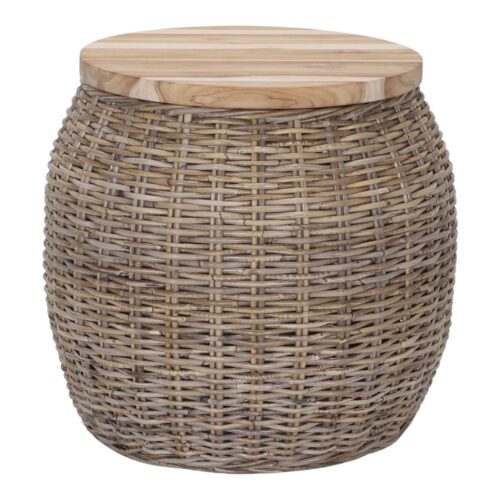
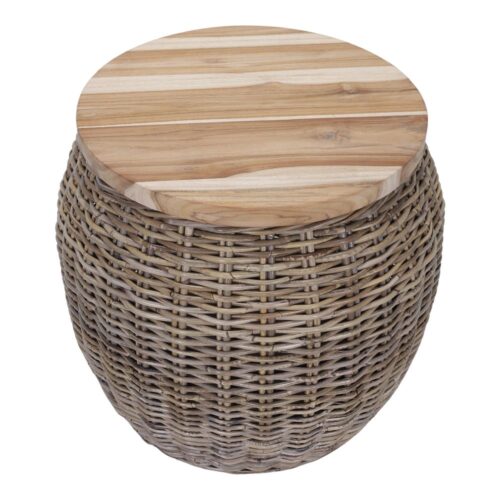
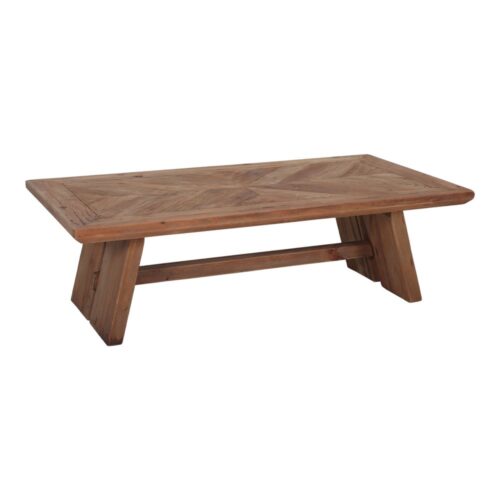
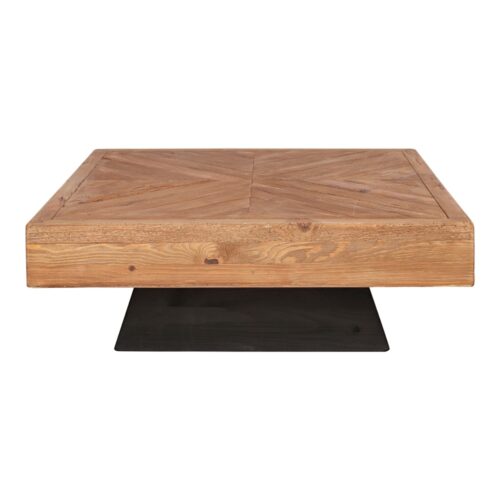

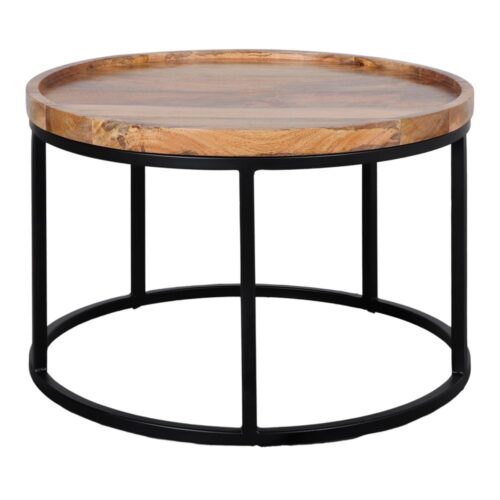
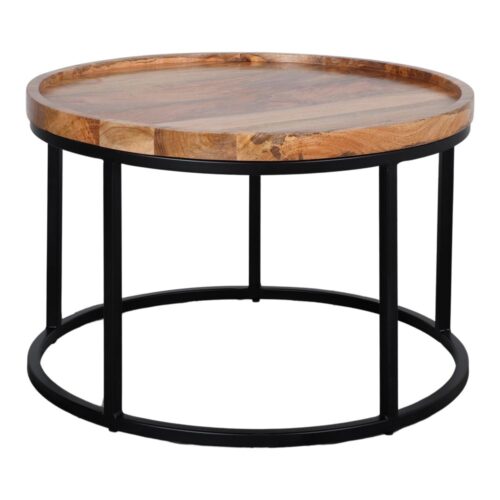
MARIUS COFFEE TABLE
Out of stock
✖ Out of stock (made to order or coming soon)
361,79€ (VAT included)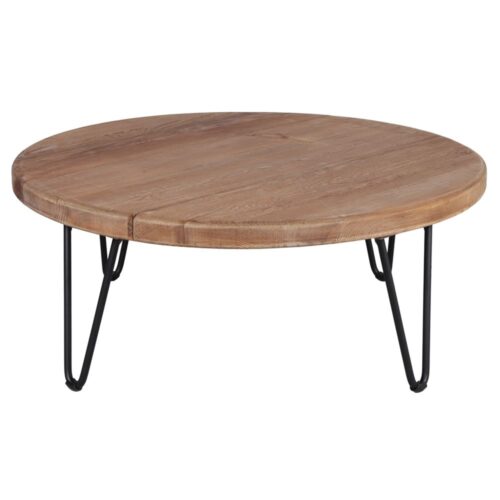
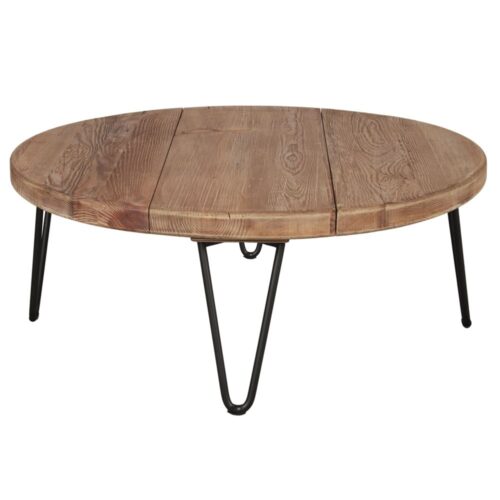
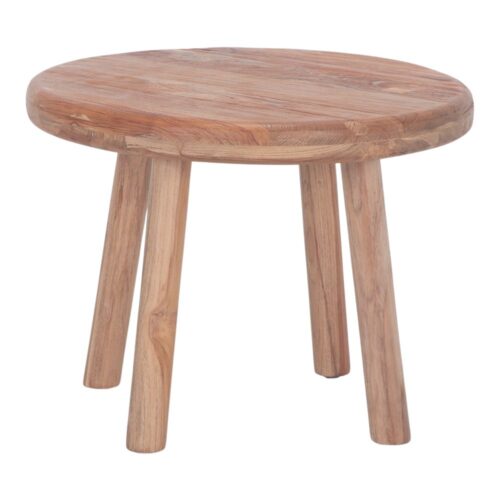

MINEOLA COFFEE TABLE
In stock
✔ In stock: 10 units
174,24€ 180,29€Price range: NO DISCOUNT APPLIED (excluding VAT) 174,24€ through 180,29€