
Guía técnica sobre fabricación a medida, sistemas modulares, materiales, medidas y criterios que conviene definir antes de pedir presupuesto
En un proyecto de hostelería, no todas las mesas tienen que fabricarse a medida. Cuando una medida estándar resuelve correctamente la distribución de la sala, recurrir a una mesa disponible en stock suele ser la opción más lógica: reduce plazos, simplifica futuras reposiciones y ayuda a controlar el presupuesto.
El problema aparece cuando el espacio deja de ser estándar. Una bancada corrida puede necesitar mesas con una longitud concreta y los pies desplazados; una esquina puede exigir una tapa con una geometría especial; la barra puede requerir mesas altas con el mismo acabado que las mesas de comedor; o el proyecto de interiorismo puede plantear una mesa comunal que sencillamente no existe en catálogo.
Es ahí donde la fabricación a medida aporta valor. Pero una mesa para un restaurante no debería definirse únicamente por su aspecto. Dimensiones, estabilidad, posición de los apoyos, material de la tapa, altura, peso, mantenimiento, circulación y tipo de asiento forman parte de una misma decisión técnica.
En MisterWils trabajamos con mobiliario para hostelería y proyectos profesionales, combinando referencias disponibles en stock con soluciones personalizadas. Esta guía reúne los criterios que conviene estudiar antes de encargar una mesa a medida y explica qué tipos de proveedores pueden intervenir en un proyecto de este tipo.
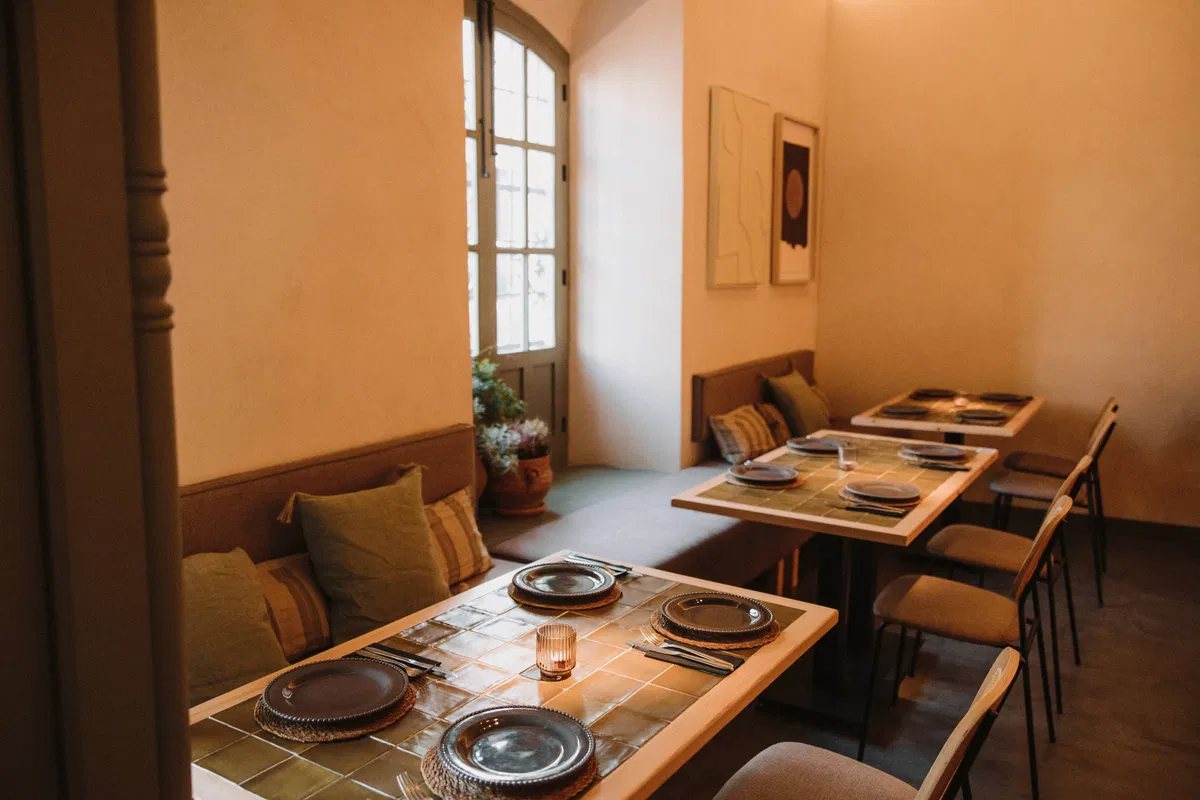
¿Qué significa realmente fabricar una mesa a medida?
“A medida” es un término muy amplio. Dos mesas fabricadas específicamente para un restaurante pueden implicar procesos completamente diferentes. Antes de pedir presupuestos, conviene saber qué necesita realmente el proyecto.
Tapa en una medida personalizada
Es una de las soluciones más habituales. Se parte de un material y se fabrica o adapta la tapa al formato necesario para después combinarla con una estructura compatible. Permite modificar dimensiones y, dependiendo del material y del sistema utilizado, trabajar formatos cuadrados, rectangulares, redondos u otras geometrías. Para muchos restaurantes es suficiente y evita desarrollar una mesa completamente desde cero.
Sistema modular de tapa y estructura
En este caso, tapa y estructura se plantean como elementos independientes. Esto permite utilizar un mismo acabado en diferentes formatos y alturas: mesas bajas para sillas, mesas altas para taburetes o soluciones destinadas a terraza. Es especialmente interesante cuando se busca mantener una identidad visual homogénea en todo el establecimiento sin fabricar necesariamente todas las piezas de forma íntegra.
Fabricación completa
Hay proyectos en los que una estructura estándar tampoco sirve. Mesas comunales de gran formato, geometrías singulares, determinadas piezas diseñadas por un estudio de interiorismo o elementos que deben integrarse con barras y bancadas pueden requerir fabricación completa mediante carpintería, ebanistería, metalistería u otros procesos. El grado de personalización es mayor, pero también suelen aumentar el tiempo de desarrollo, la complejidad técnica y el plazo de fabricación.
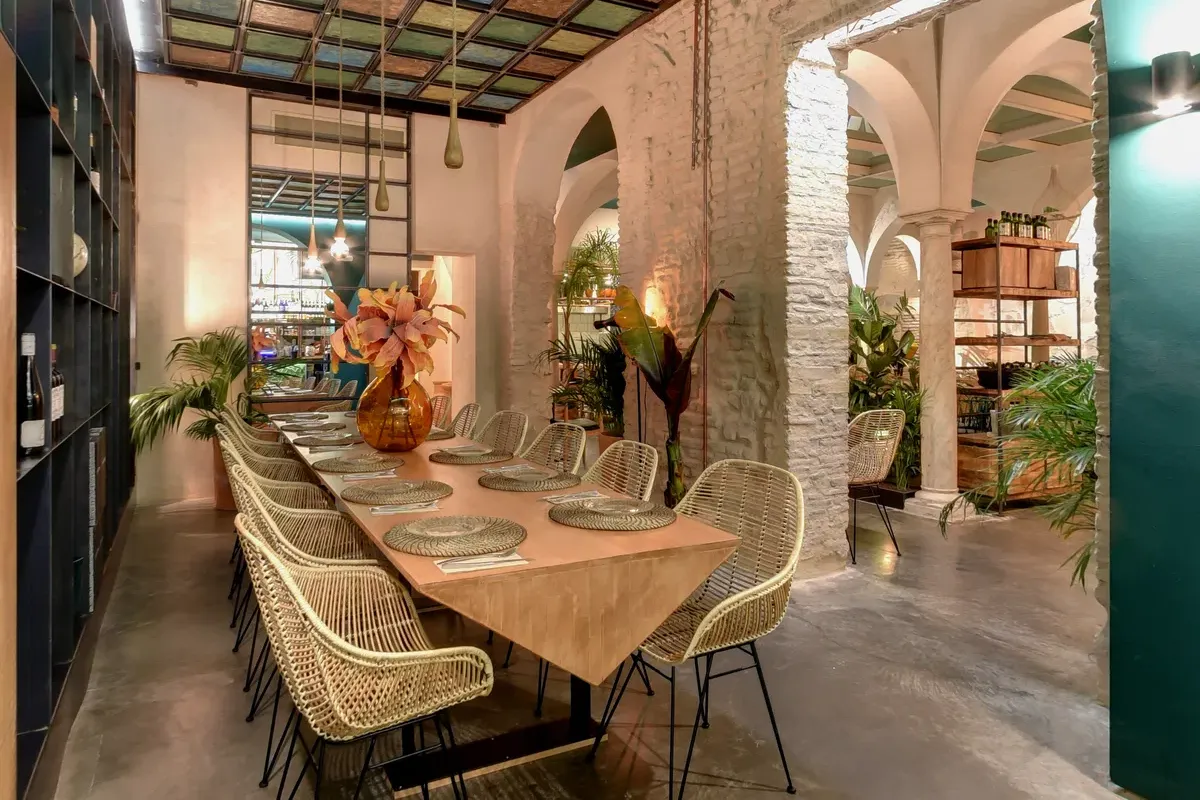
Antes de diseñar la mesa, hay que resolver el espacio
Uno de los errores habituales es empezar el proyecto eligiendo el acabado de la mesa: madera, mármol, terrazo, porcelánico o color de la estructura. Son decisiones importantes, pero no deberían ser las primeras.
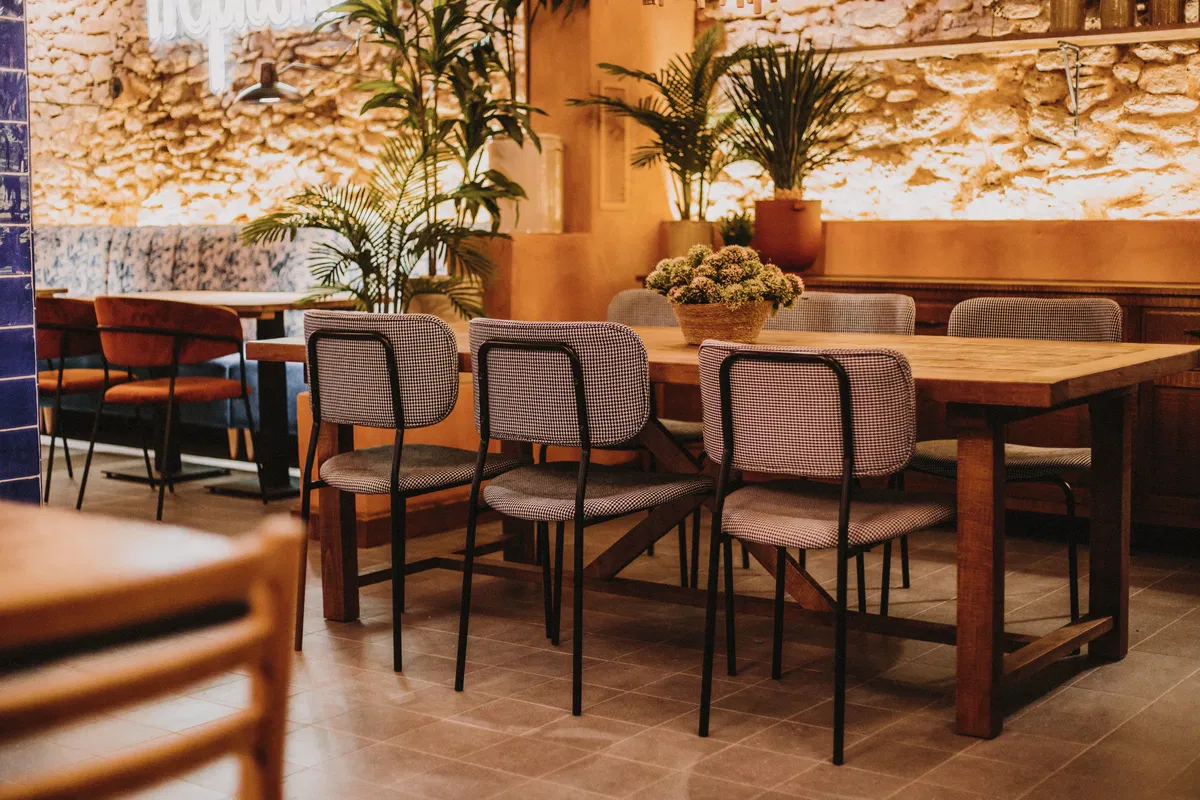
En un restaurante, una mesa forma parte de un sistema compuesto por mesas, sillas, bancos, circulación de clientes, recorridos del personal y capacidad de la sala. Una diferencia aparentemente pequeña en las dimensiones de una mesa puede multiplicarse cuando el mismo formato se repite diez o veinte veces.
¿Cuántos comensales tiene que admitir?
Las dimensiones deben plantearse en función de las plazas previstas y del tipo de asiento. No ocupa lo mismo una silla compacta sin brazos que un sillón de comedor con reposabrazos. Tampoco se comporta igual una mesa situada frente a una bancada que una mesa independiente en mitad de la sala. La mesa y el asiento deberían estudiarse conjuntamente.
¿Dónde estará situada?
Paredes, pilares, bancos corridos, puertas, zonas de servicio y pasos condicionan las dimensiones posibles. Una mesa puede encajar perfectamente sobre plano y, sin embargo, resultar incómoda cuando se añaden las sillas y se simula su uso real.
¿Qué circulación necesita el restaurante?
No basta con que las mesas quepan. Hay que considerar el espacio necesario cuando las sillas están ocupadas y comprobar que clientes y personal puedan circular correctamente. En proyectos con una elevada densidad de mesas, unos centímetros pueden marcar una diferencia considerable.
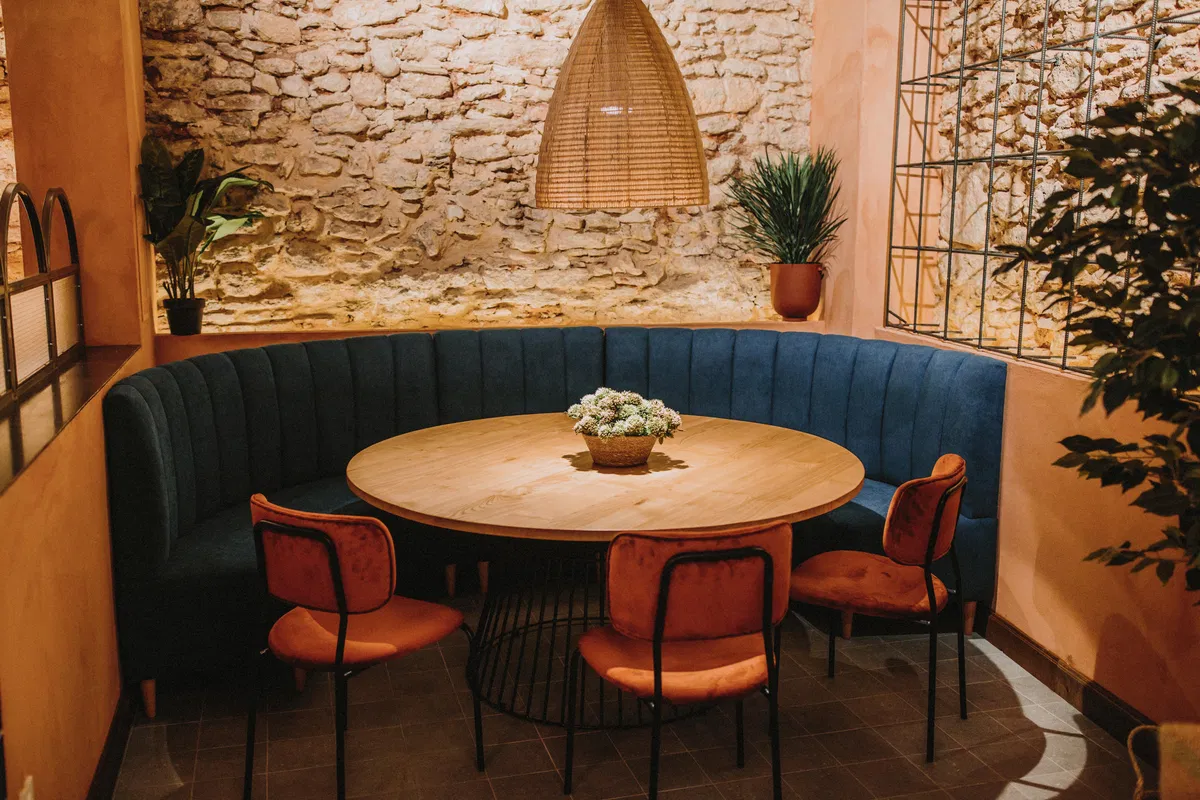
El pie de una mesa no se elige únicamente por estética
Este es uno de los aspectos que más conviene estudiar cuando se modifica el tamaño de una tapa. Una estructura diseñada para una determinada dimensión no tiene por qué funcionar correctamente si aumentamos considerablemente la superficie o el peso.
- Dimensiones y geometría de la tapa.
- Peso del material.
- Voladizo respecto a los puntos de apoyo.
- Número y posición de las bases.
- Estabilidad.
- Espacio disponible para las piernas.
- Compatibilidad entre tapa y sistema de fijación.
En mesas rectangulares de cierto tamaño también hay que estudiar dónde se colocan los apoyos. Una estructura técnicamente estable puede resultar incómoda si obliga a los comensales a sentarse junto a una pata. Por eso, tapa y estructura deben entenderse como un conjunto.
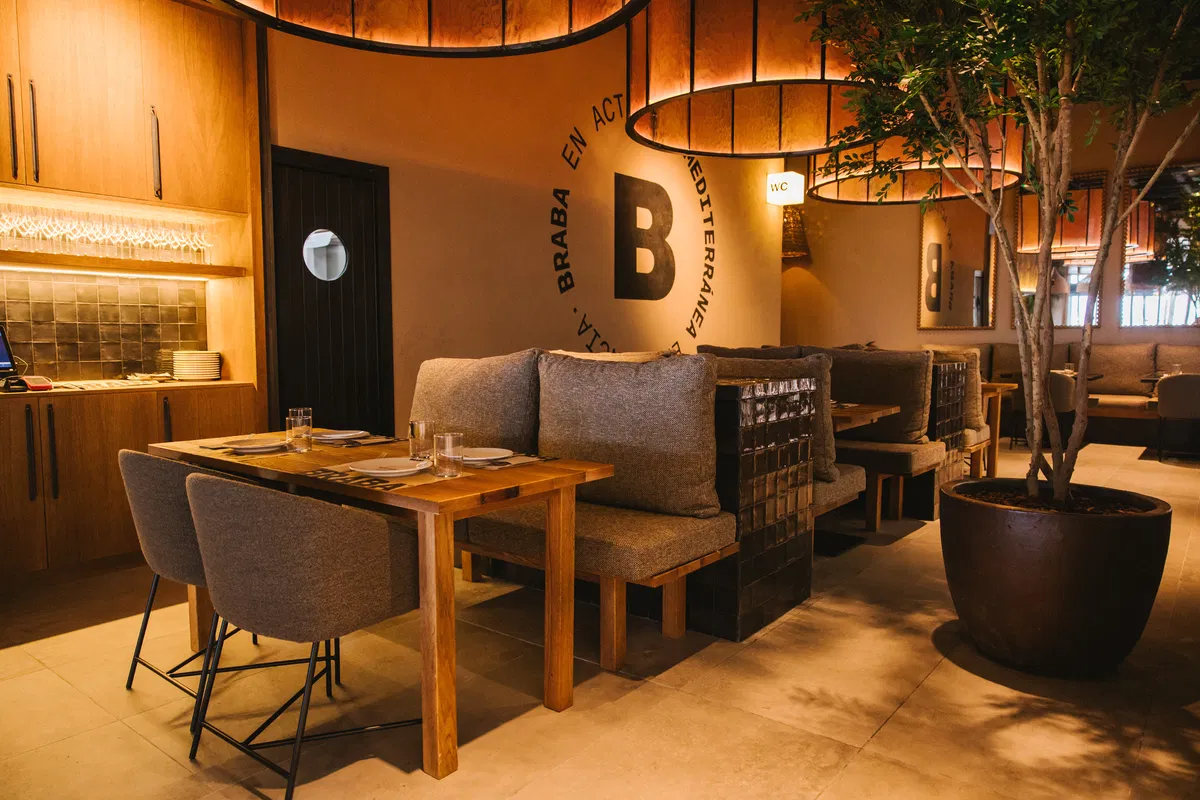
Cuándo merece la pena fabricar una mesa a medida… y cuándo no
La fabricación personalizada no debería convertirse en un objetivo por sí misma. Tiene sentido cuando resuelve un problema concreto: aprovechar mejor una zona, adaptarse a una bancada, conseguir una geometría determinada, unificar diferentes alturas o desarrollar una pieza especialmente relevante dentro del interiorismo.
Pero si una sala funciona correctamente con formatos estándar, recurrir a producto disponible puede ser más eficiente. Además del precio y del plazo inicial, hay otro factor que a veces se olvida: la reposición. El mobiliario de hostelería está sometido a un uso intenso y, si dentro de varios años hay que sustituir una mesa o una tapa, trabajar con sistemas relativamente estandarizados puede simplificar mucho la operación.
Una solución interesante para muchos proyectos consiste precisamente en combinar mesas estándar y mesas personalizadas. Las primeras resuelven las zonas regulares de la sala; la fabricación especial se reserva para aquellos puntos donde realmente aporta algo.
Cómo planteamos una mesa a medida para un proyecto de hostelería
En MisterWils trabajamos con un sistema modular en el que pueden combinarse tapas y estructuras, además de soluciones personalizadas dentro de proyectos profesionales. Antes de definir una solución conviene disponer, como mínimo, de cuatro datos: medidas, número de unidades, uso previsto y fecha del proyecto. Si además existe un plano, mucho mejor.
1. Revisar medidas y distribución
Un plano o croquis permite entender qué problema debe resolver la mesa. No hace falta empezar necesariamente con documentación técnica compleja: una planta acotada puede servir para valorar dimensiones, ubicación, relación con otros elementos y posibles condicionantes.
2. Definir los asientos
Mesa y silla deberían estudiarse juntas. Hay que conocer la altura del asiento, sus dimensiones y, especialmente cuando existen reposabrazos, comprobar su relación con la parte inferior de la tapa y la estructura.
3. Determinar el uso
Interior y exterior requieren criterios diferentes. Y dentro del exterior tampoco todas las situaciones son iguales. Una terraza protegida no está sometida a las mismas condiciones que una mesa expuesta directamente al sol, la lluvia y los cambios de temperatura.
4. Elegir tapa y estructura
Solo después tiene sentido cerrar materiales y acabados. La elección debe tener en cuenta estética, peso, limpieza, mantenimiento, resistencia y compatibilidad entre tapa y base.
5. Coordinar las piezas especiales con el resto de la sala
No siempre hay que personalizar todo el mobiliario. Una misma sala puede combinar referencias disponibles con mesas de dimensiones específicas. Si se coordinan materiales, estructuras y acabados, ambas pueden integrarse dentro del mismo lenguaje de interiorismo.
Materiales para mesas de restaurante: no existe uno mejor para todos los proyectos
Preguntar cuál es el mejor material para una mesa de hostelería tiene poco sentido sin conocer dónde y cómo va a utilizarse. Cada material responde de manera diferente frente al peso, los golpes, las manchas, la humedad, el calor o la exposición exterior.
Madera
La madera aporta calidez y permite trabajar proyectos con una fuerte presencia del material. En función de la solución elegida, habrá que valorar especie, acabado, mantenimiento y ubicación. En materiales naturales también hay que asumir algo importante: la variación forma parte del propio material. Veta y tonalidad pueden presentar diferencias entre unas piezas y otras.
Mármol y terrazo
Su peso visual y material los convierte en una opción interesante para determinados proyectos de restauración. Precisamente el peso es también uno de los factores que hay que considerar técnicamente: la estructura debe ser compatible con las dimensiones y masa de la tapa. Su comportamiento dependerá además del material concreto, del acabado y de las condiciones de instalación.
Fenólico compacto
Es una solución utilizada con frecuencia en mobiliario de terraza. Además del tablero, hay que comprobar la adecuación del producto concreto para exterior y prestar atención al comportamiento de sus cantos y al sistema completo de mesa.
Laminado HPL
Ofrece una amplia variedad de acabados y facilita la limpieza, por lo que puede resultar práctico en interiores sometidos a un uso frecuente.
Porcelánico
Puede ofrecer buenas prestaciones frente al rayado y al calor y permite trabajar estéticas próximas a piedra y otros materiales. De nuevo, su peso y formato deben coordinarse correctamente con la estructura.
El canto también importa
En una mesa de restaurante se habla mucho de la superficie y bastante menos de los cantos. Sin embargo, son zonas expuestas continuamente a golpes de sillas, movimientos, limpieza y contacto. Material, espesor y terminación del canto deberían formar parte de la decisión, especialmente en establecimientos con una rotación elevada. En hostelería, muchas veces los detalles menos visibles son los que determinan cómo envejece una pieza.
Cinco errores que conviene evitar al encargar mesas para hostelería
Elegir las mesas antes que las sillas
Puede provocar problemas de proporciones, altura, espacio disponible o interferencias con los reposabrazos.
Aumentar una tapa sin revisar la estructura
Que una base funcione con una tapa de determinado tamaño no significa que pueda utilizarse automáticamente con una considerablemente mayor.
Elegir únicamente por fotografía
Una imagen permite valorar el diseño, pero no explica peso, estabilidad, mantenimiento o comportamiento del material.
Tratar todo el exterior de la misma forma
“Exterior” no describe una única condición de uso. Hay diferencias importantes entre una terraza cubierta y una ubicación permanentemente expuesta.
Olvidar transporte, acceso y montaje
Una pieza de gran formato tiene que poder llegar hasta su ubicación final. Puertas, escaleras, ascensores y accesos al local también pueden condicionar cómo debe fabricarse o plantearse una mesa.
Qué información enviar para solicitar presupuesto de mesas a medida
Cuanto más clara sea la información inicial, más sencillo será valorar correctamente el proyecto. Lo recomendable es indicar:
- Número de mesas.
- Largo y ancho o diámetro.
- Altura deseada.
- Forma de la tapa.
- Material o acabado buscado.
- Uso interior o exterior.
- Tipo de silla, sillón o taburete con el que se combinará.
- Plano o croquis, si existe.
- Localidad de instalación.
- Fecha prevista de apertura o instalación.
Este último dato es especialmente importante. Una solución técnicamente perfecta deja de ser una buena solución si no puede estar disponible cuando el establecimiento la necesita.
Dónde encargar mesas a medida para restaurantes en España
No todos los fabricantes y proveedores trabajan el mobiliario a medida de la misma manera. Algunos parten de sistemas modulares de tapas y estructuras; otros realizan fabricación íntegra; y otros están especializados en carpintería, metal, piedra o equipamiento técnico. Por eso, más que buscar simplemente “un fabricante de mesas a medida”, conviene identificar qué tipo de fabricación necesita el proyecto.
MisterWils combina referencias disponibles en stock con soluciones personalizadas para proyectos de hostelería. Su sistema permite trabajar diferentes combinaciones de tapas y estructuras y plantear mesas bajas, mesas altas y soluciones para terraza dentro de una misma línea estética. Además, la línea Made in EU incluye mesas, bancos y sofás personalizables en aspectos como medidas, madera, estructura o tapizado, dependiendo del producto y del proyecto. Esta combinación permite resolver con referencias disponibles una parte del mobiliario y reservar la personalización para las zonas que realmente la necesitan.
Preguntas frecuentes sobre mesas a medida para restaurantes
Spring is that time of year when nature comes back to life… and with it, our home. As the days grow longer, the temperature rises and natural light floods every corner, we inevitably seek a purer, more organic connection with the environment we inhabit. In this quest for freshness and renewal, there is one clear winner that dominates the world of interior design season after season. We’re talking about the perfect combination of freshness and tradition: rattan and cannage. At MisterWils, we know there’s no better way to welcome the good weather than by embracing authentic textures, and that’s why, today, we want to immerse ourselves fully in the magic of rattan and cannage.
If there is one thing that defines current trends at MisterWils, it is the unwavering commitment to fine materials. Cold, closed-off and cluttered spaces are a thing of the past, giving way to the visual lightness provided by rattan and cannage. These two concepts, often used in tandem, represent a perfect marriage of raw materials and craftsmanship. Incorporating rattan and cannage into your living room, dining room, bedroom or terrace is not just a statement of aesthetic intent, but also a commitment to warmth and sustainability. When observing the evolution of furniture, it is fascinating to see how rattan and cannage have managed to reinvent themselves to suit everything from the most classic and serene settings to the boldest and most avant-garde contemporary interiors.
At MisterWils, we are truly passionate about these plant-based fibres. We know that when a customer is looking to give their spring décor a radical makeover, suggesting rattan and cannage pieces is always a sure-fire hit. It doesn’t matter whether your personal style is distinctly Nordic, industrial, boho chic or mid-century; the enormous versatility of rattan and cannage means they can adapt to any visual narrative as if they were made to measure. Throughout this in-depth exploration of this star trend, we’ll not only reveal the secrets and incredible benefits of choosing rattan and cannage, but we’ll also present you with a carefully curated selection of 12 key products from our catalogue at misterwils.com, all currently in stock and ready to transform your home or hospitality project in line with the latest trend.

What exactly are rattan and cannage? A look at their essence
To understand why rattan and cannage have become the undisputed kings of modern interior design, we must first understand what they are and where they come from. Rattan is a natural fibre, exceptionally strong at its core yet incredibly flexible when worked, which is extracted from various species of climbing palms, the vast majority of which are native to the lush tropical forests of South-East Asia. For its part, ‘cannage’ is the French word for an ancient technique of hand-woven or hand-braided craftsmanship (what we commonly call a lattice). Thus, when we speak of rattan and cannage, we are referring to the exquisite combination of this durable plant fibre woven into that unmistakable octagonal lattice pattern that we all know, admire and love.
The history of rattan and cannage is as rich as it is fascinating. Although its technical origins date back centuries to the Asian continent, it was during the bustling 17th century that these pieces of furniture began to arrive in Europe thanks to the emerging trade routes. The nobility and the bourgeoisie were soon completely captivated by the elegance and exoticism of rattan and cannage. However, the real explosion in the popularity of rattan and cannage occurred in the mid-19th century, spearheaded by the iconic Chair No. 14 by the visionary Michael Thonet, who democratised this style. Decades later, in the glorious 1950s, architectural and design geniuses such as Pierre Jeanneret and Le Corbusier elevated rattan and cannage to the status of modern art, proving that their charm is truly timeless.
Today, the fascination with rattan and cannage has returned stronger than ever, driven by a deep desire for authenticity. In a hyper-connected, digitalised and fast-paced world, we long to surround ourselves with elements that reconnect us with our roots, offering a comforting tactile and visual experience. Rattan and cannage fulfil this purpose masterfully. Every interwoven strand tells a beautiful story of craftsmanship, dedication and patience, making every piece of rattan and cannage furniture unique and one-of-a-kind. This is the compelling reason why at MisterWils we are firmly committed to including rattan and cannage in our most exclusive and sought-after collections.

The benefits of incorporating rattan and cannage into your décor this spring
Choosing rattan and cannage furniture or accessories goes far beyond simply following a passing magazine trend. There are very practical and functional reasons why architects, decorators and interior designers cannot help but use rattan and cannage in their residential and commercial interior design projects. Below, we outline some of the main reasons why you should embrace this trend:
- Visual and physical lightness: Unlike traditional solid wood or heavy metal, pieces meticulously crafted from rattan and cannage allow natural light to flow through their openwork. This beautiful transparency, so characteristic of rattan and cannage, makes spaces appear visually larger, airier and brighter. It is a particularly desirable quality when spring arrives and we want to shake off the oppression and darkness of winter.
- Exceptional breathability: As the warmer months approach, sitting in a rattan and cannage chair is an extremely pleasant experience. The open, perforated pattern of the rattan and cannage greatly enhances air circulation, preventing heat and moisture from building up on your back and the seat, ensuring maximum comfort during long spring and summer after-dinner gatherings.
- Unrivalled stylistic versatility: The ability of rattan and cannage to blend in and adapt is truly remarkable. When paired with dark hardwoods and rich fabrics such as velvet, rattan and cannage take on a colonial, mysterious and sophisticated air. If, on the other hand, you decide to mix them with light linens, cottons, handcrafted ceramics and neutral tones, rattan and cannage become the beating heart of a spectacular Mediterranean, Ibizan or Japandi style.
- Sustainability and ecology: In an age where environmental awareness is absolutely crucial to the future of the planet, rattan and cannage stand out as an environmentally friendly and ethical choice. Rattan is a highly renewable resource that grows at an astonishing rate in the rainforest, and the artisanal production of rattan and cannage furniture typically involves far less polluting processes compared to the manufacture of petroleum-based synthetic materials.
- Proven durability and strength: Although their light and delicate appearance might suggest otherwise, furniture made from rattan and cannage is incredibly sturdy, flexible and resilient. When crafted to the exacting quality standards we demand at MisterWils, a rattan and cannage chair, armchair or sideboard can serve you faithfully for decades, ageing with grace and acquiring a beautiful patina that only enhances its visual appeal.

An inspiring tour of your home: the seamless integration of rattan and cannage
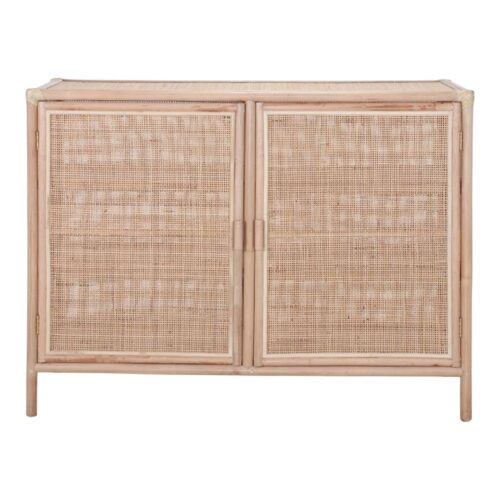
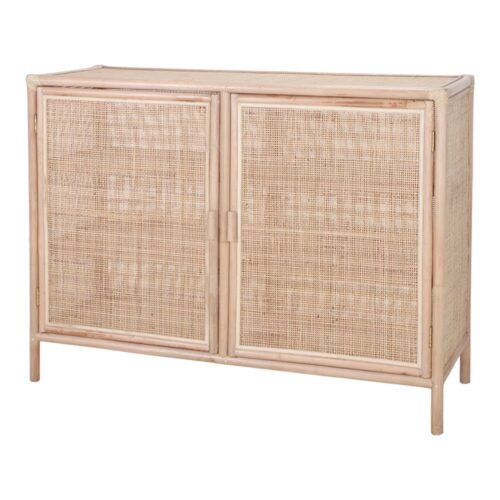
To truly grasp the impact of this spring trend, it’s best to close your eyes and imagine a journey through the different spaces we inhabit, visualising how light and fine materials completely transform the atmosphere. When we step through the front door, the entrance hall or the main living room should make a bold statement. Imagine the Bastian rattan sideboard presiding over this room; a piece that masterfully solves the problem of storage by concealing what we do not wish to display, yet which, thanks to the exquisite front doors crafted from rattan and cannage, breathes life into the space and visually lightens it in a spectacular way.
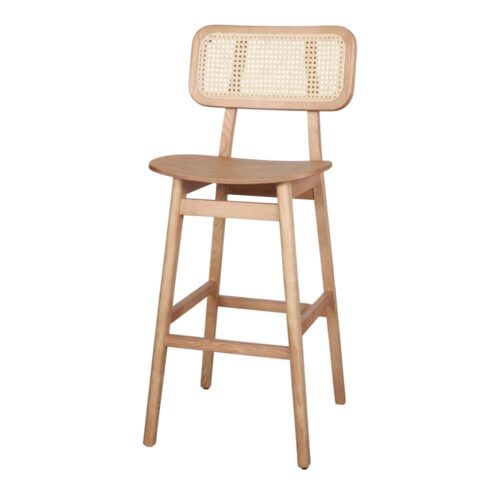
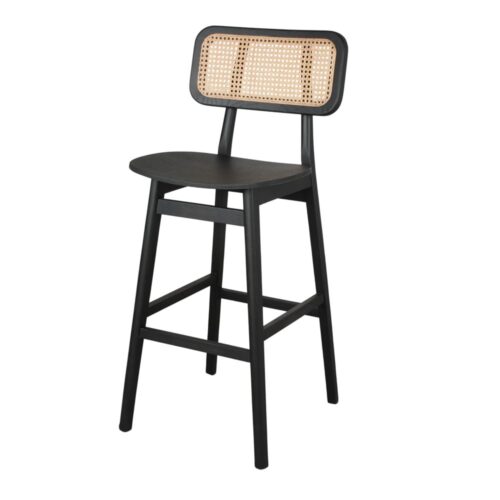
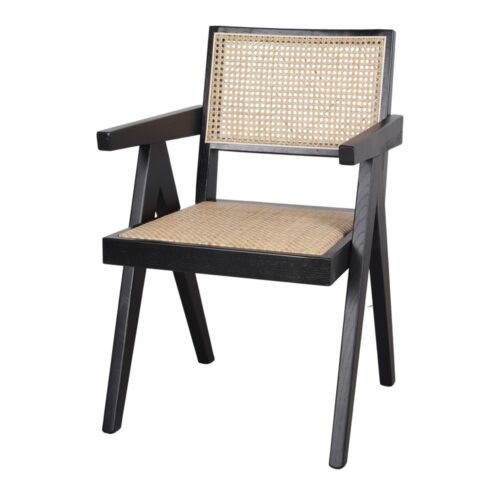
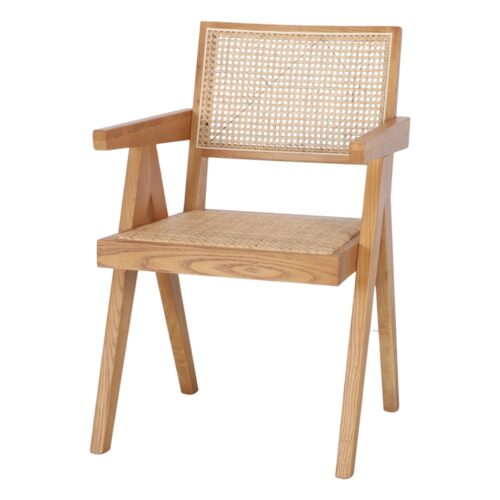
As we move towards the dining room, the ultimate gathering place, the presence of rattan and cannage becomes essential for creating an atmosphere of endless after-dinner conversation. Here, the legendary Capitol Chair stands as the ultimate icon of rattan and cannage, bringing that irreplaceable mid-century and architectural flair to the main table. If, on the other hand, the kitchen opens onto the living room and features a large central island, the perfect transition is achieved by incorporating the Rinaldo High Stool. This seat literally elevates the beauty of rattan and cannage to bar height, offering unbeatable lumbar support without overwhelming the view. For dining rooms or hospitality projects seeking a more contemporary twist without losing the essence, the Dabily synthetic rattan chair blends the visual warmth of rattan with a sturdy tubular frame of a more industrial and functional design.
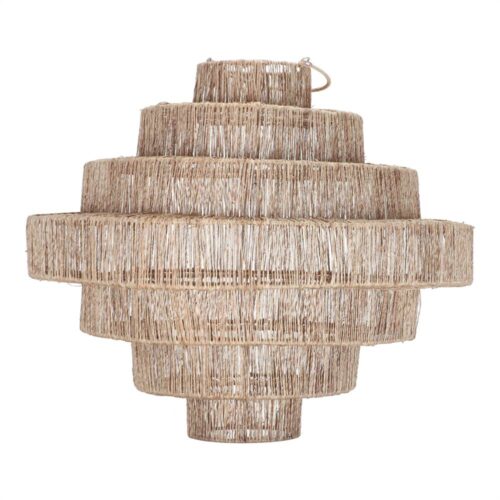
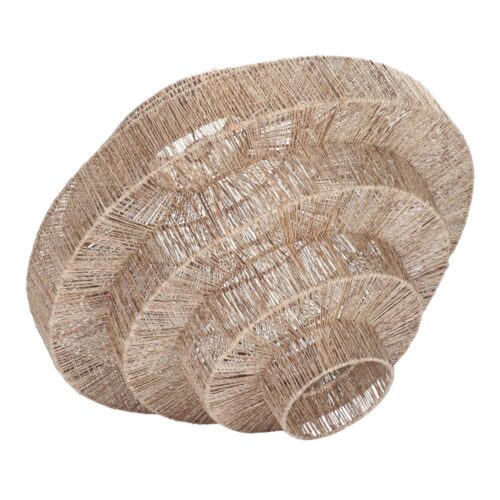
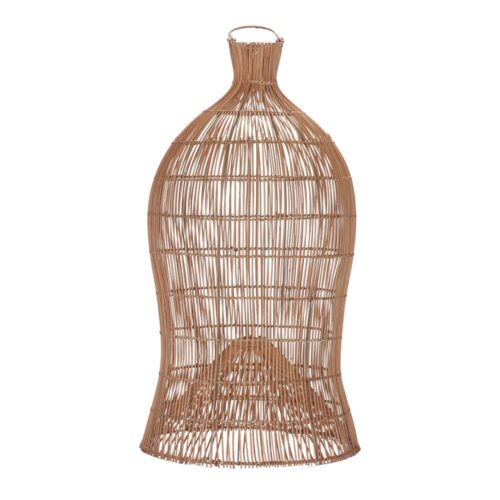
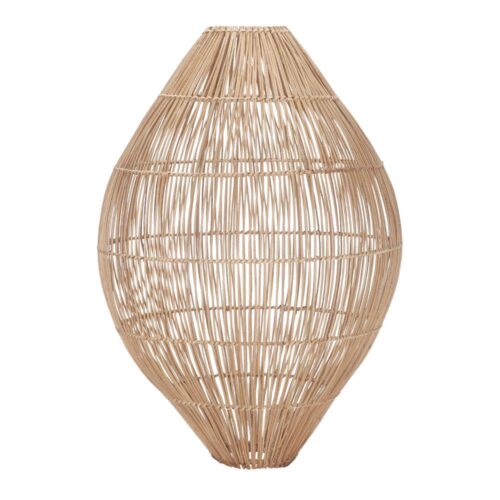
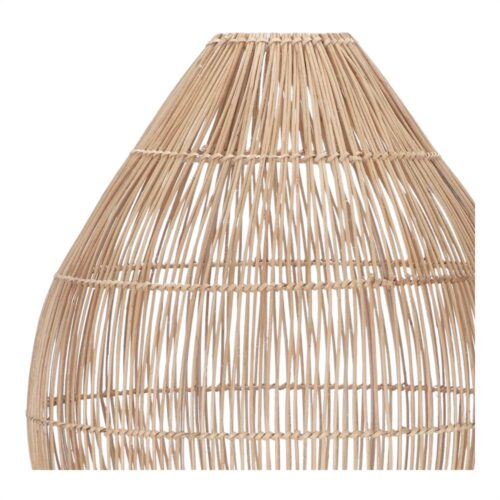
But the magic of rattan and cannage isn’t confined to ground level; when you look up, the lighting plays a crucial role in creating this spring-like atmosphere. As the light filters through the interwoven fibres of the rattan and cannage, it creates a mesmerising play of shadows as evening falls. In spacious, majestic rooms, the imposing Ascher Big rattan lampshade takes centre stage, dominating the ceiling with its striking rattan and cannage presence. For bolder, more organic forms, the Carter natural fibre lampshade envelops the space like a protective nest, whilst more subtle and ethereal options such as the Alice Rattan Lampshade or the charming, Mediterranean-inspired Bomon Rattan Lampshade allow soft glimmers to escape through their rods, proving that rattan and cannage can be as delicate as they are versatile.
The most intimate sanctuary in the home, the bedroom, also craves the serenity that only nature can provide. Framing our night’s rest with the Nomad headboard means fully embracing the Japandi aesthetic, where natural fibres and key details in rattan and cannage ensure you wake up enveloped in peace and harmony.
At last, spring is drawing us outdoors. Fortunately, the boundary between indoors and outdoors blurs when we opt for furniture that knows how to adapt the beauty of rattan and cannage to the great outdoors. To recreate the bohemian atmosphere of a Parisian café on your own terrace, the Bogotá Rattan Chair (Bistro Style) is a sure-fire choice, combining durability with the classic rattan and cannage pattern. And for those who don’t want to worry in the slightest about inclement weather, the innovative Laudry synthetic rattan chair and the versatile Brian outdoor chair perfectly capture all the tactile and visual charm of rattan and cannage, but using high-tech materials designed to withstand the sun and humidity of long spring days. As you can see, there’s no corner that can resist the warmth and timeless style of rattan and cannage.

Tips from MisterWils: How to incorporate and care for your rattan and cannage pieces
Now that your wish list is packed with the finest rattan and cannage pieces from our shop, misterwils.com, it’s essential to know how to showcase them in your home and look after them for years to come. Stylistically speaking, the secret to success when decorating with rattan and cannage lies in balance and contrast. Don’t be afraid to combine a vintage-style rattan and cannage chair with a modern dining table made of polished concrete or tempered glass; the stark contrast between the coolness of the modern material and the undeniable warmth of rattan and cannage is visually striking and very avant-garde. We also strongly recommend adding large-leaved, green houseplants (such as a lush monstera or an elegant ficus) right next to your rattan and cannage furniture, as this will immediately enhance that tropical, jungle-like and spring-like atmosphere we’re all seeking.
When it comes to maintenance, looking after your beloved rattan and cannage furniture is much easier than it seems, but it does require a little consistency and care. As they are living, natural materials, rattan and cannage really dislike the extreme dryness caused by central heating, as well as excessive damp or standing water. For the daily cleaning of your rattan and cannage chair, lamp or sideboard, simply use a soft microfibre cloth or the brush attachment on your vacuum cleaner to gently remove any dust that may have accumulated in the small gaps of the weave. Once a month, for a deeper clean, you can wipe the rattan and cannage with a cloth very lightly dampened with warm water and a drop of neutral soap, making sure to dry it almost immediately to avoid at all costs the natural fibre swelling.
If you live in an area with an exceptionally dry climate, an expert interior designer’s tip to ensure that rattan and cannage do not become brittle and split is to spray them very lightly with water or apply a tiny amount of diluted linseed oil just a couple of times a year. This simple step will keep the flexibility and beautiful natural sheen of the rattan and cannage intact, just as it was on the very first day you took it out of the box. It is always worth remembering that natural rattan and cannage indoor furniture should never be left exposed to harsh sunlight or direct rain; that is why at MisterWils we also offer those wonderful synthetic alternatives we have seen for your outdoor space. By treating your cherished rattan and cannage pieces with the care and respect they deserve, you will pass on style, history and functionality to the next generations of your family.

The definitive triumph of rattan and cannage this spring
In short, the long-awaited arrival of spring urges us to throw open our windows, refresh stagnant energy and transform our living spaces. No other material in today’s industry embodies this philosophy of freshness, relaxed elegance and a deep connection with nature more beautifully than the magical pairing of rattan and cannage. From their rich historical and colonial heritage to their impressive and acclaimed modern reinvention at the hands of the finest designers, rattan and cannage have amply demonstrated that they are far more than just a passing fad; they are the foundations and pillars of a warm and truly timeless design.
At MisterWils, we are immensely proud to be your trusted partners on this exciting interior design journey, offering you an extensive, carefully curated and professional range where rattan and cannage always shine in their own right and set the tone. Whether you fall head over heels for the iconic geometry of the Chandigarh chair, the imposing grandeur of the Asher Big lamp, or the irresistible practical charm of our Bastian sideboard, incorporating rattan and cannage into your next project will always be a winning choice. We invite you to dive into misterwils.com right now, explore our entire stock available in real time, and get ready for this long-awaited spring, when your home or business will breathe deeply in the unmistakable and captivating beauty of rattan and cannage. Let the vitality of spring finally enter your home through the finest natural materials!



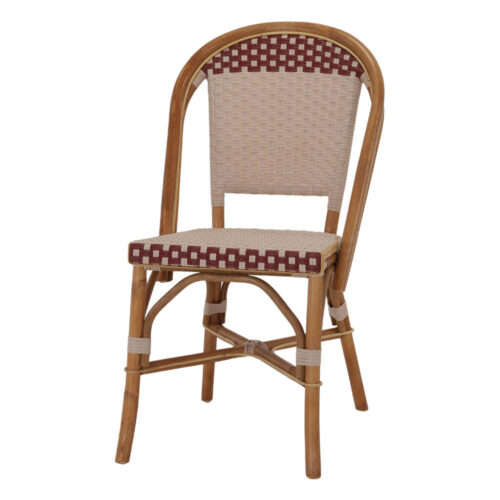
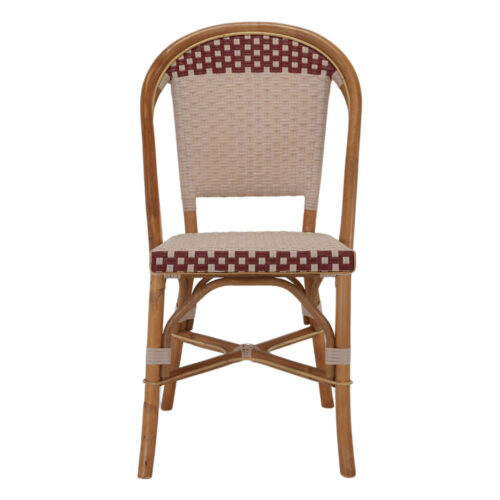
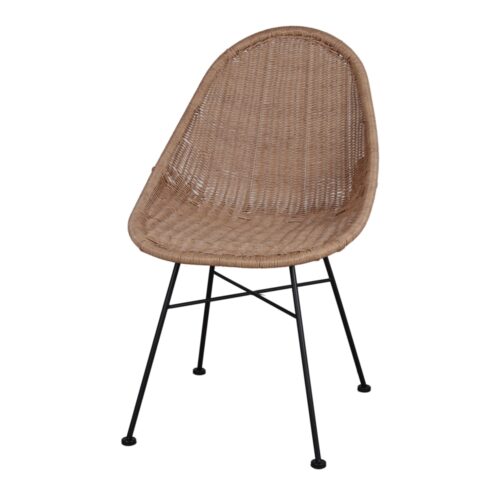
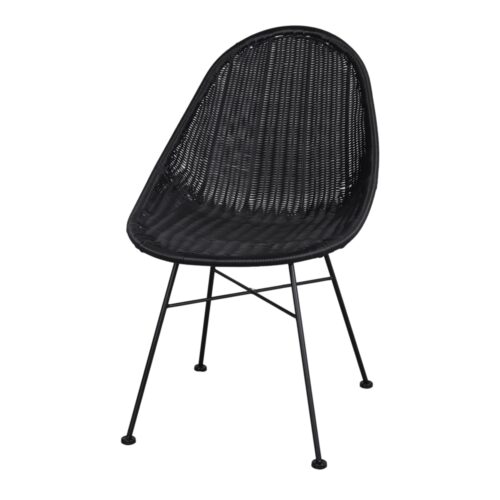
DABILY SYNTHETIC RATTAN CHAIR
In stock
✔ In stock: 24 units
89,54€ 99,22€Price range: NO DISCOUNT APPLIED (excluding VAT) 89,54€ through 99,22€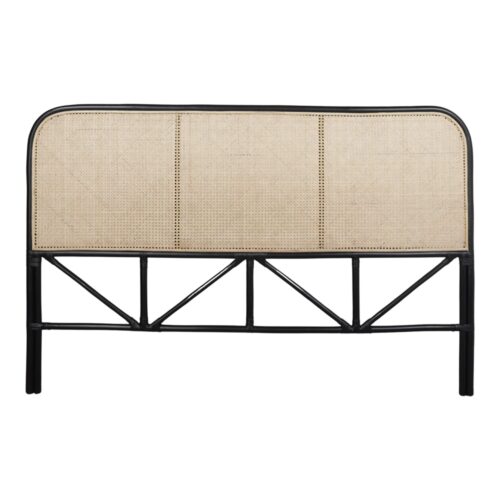
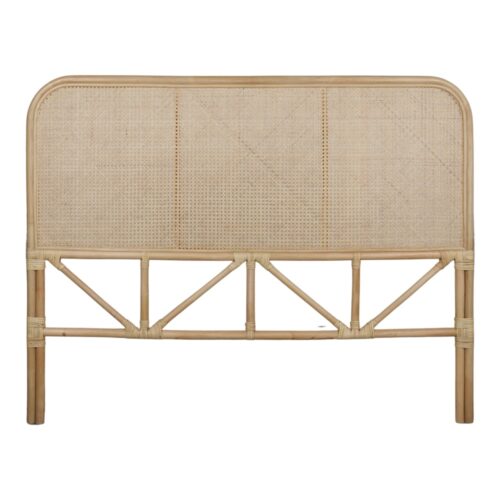
NOMAD HEADBOARD
In stock
✔ In stock: 2 units
162,14€ 189,97€Price range: NO DISCOUNT APPLIED (excluding VAT) 162,14€ through 189,97€