Inspiration and trends
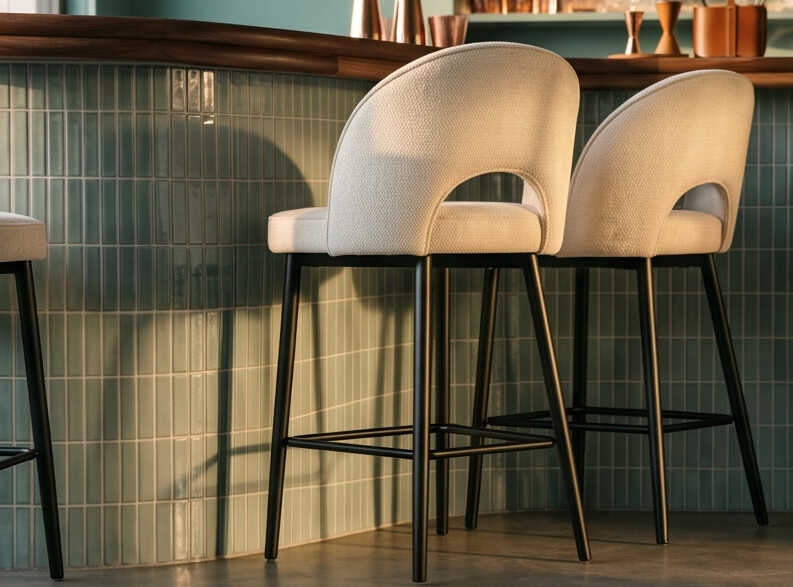
How to choose bar stools for restaurants based on the available space
Designing the interior of a restaurant is an exciting challenge that requires a great many details to be taken into

We answer the most frequently asked questions about contract and commercial furniture. Discover clear and practical information to help you choose the best option for each project.
Welcome to the MisterWils Contract Furniture Encyclopedia, a space where we provide clear and simple answers to the most common questions about professional furniture for the hospitality industry, hotels, restaurants, cafes, offices, retail spaces, and interior design projects.
Here you’ll find quick answers about materials, finishes, regulations, maintenance, manufacturing, design, ergonomics, outdoor furniture, trends, and everything related to the contract and HORECA sectors.
Our goal is to help you make better decisions, whether you’re an architect, interior designer, decorator, business owner, or simply looking for information before purchasing professional furniture.
All of the answers were developed by industry experts, based on the experience they have gained from participating in hundreds of contract furniture projects for restaurants, hotels, cafes, offices, and commercial spaces.
Browse the questions and find the information you need in just a few minutes.
Contract furniture is furniture designed for professional spaces, such as restaurants, hotels, cafes, offices, retail stores, or any establishment with high foot traffic. Unlike residential furniture, it is designed to withstand a much higher rate of use without compromising functionality, safety, or aesthetics.
The main differences compared to residential furniture are:
• Greater durability. It is manufactured with structures and materials designed for continuous use and a high volume of users.
• Regulatory compliance. Many projects require materials and upholstery that meet specific safety, strength, or fire-resistance requirements.
• Consistency in large quantities. A restaurant or hotel needs dozens or hundreds of identical items, all with the same finish and quality.
• Availability and lead times. In a professional project, meeting the opening date is essential. That’s why it’s important to work with suppliers who have inventory and the capacity to deliver.
• After-sales service. The ability to obtain replacement parts, replace components, or expand the furniture collection with the same model provides long-term peace of mind.
Ultimately, contract furniture differs from residential furniture not in its design, but in its ability to withstand daily professional use. Choosing furniture specifically designed for the contract sector helps extend its useful life, reduce maintenance costs, and provide a better experience for customers and users.
The MisterWils experience. At MisterWils, we see this every season: Recently, a gastrobar in Granada called us because, one week before opening, they needed 16 chairs and 4 additional tables for the terrace area. Thanks to our stock availability and fast order fulfillment, we delivered the order within 48 hours.
Although they may seem similar at first glance, contract furniture and residential furniture are designed for very different needs.
Contract furniture is intended for professional settings, such as restaurants, hotels, cafes, offices, retail stores, or outdoor patios. These locations receive a high volume of visitors every day, so the furniture must withstand high-traffic environments, frequent cleaning, and much greater wear and tear than that found in a home.
In contrast, residential furniture is designed for private and occasional use. Although it may feature attractive designs and good quality, it is generally not built to withstand the daily demands of a commercial setting.
The main differences are:
• Durability. Contract furniture uses materials and structures designed for continuous use.
• Regulations. Many professional projects require testing or certification regarding safety, strength, or fire performance.
• Supply capacity. A contract project may require dozens or hundreds of identical units, something not all manufacturers can guarantee.
• Replenishment and continuity. It is important to be able to obtain additional units or replacement parts of the same model if the business grows or a problem arises.
• Professional service. Specialized suppliers typically offer technical advice, project follow-up, and after-sales service.
Ultimately, the difference lies not only in the design, but also in the furniture’s ability to meet the demands of professional use.
MisterWils’ Experience. Choosing contract furniture means investing in durability, safety, and peace of mind—especially when a business’s success depends on its furnishings standing the test of time.
No. Although all contract projects require durable furniture designed for professional use, each sector has very different needs. Choosing a supplier with experience in the type of project you’re undertaking can make all the difference.
The main types of contract projects are:
• Hospitality and HORECA. Restaurants, bars, cafes, hotels, and outdoor patios require highly durable furniture that is easy to clean and designed for high-traffic areas.
• Hotels and tourist accommodations. In addition to common areas, it is necessary to furnish guest rooms, reception areas, restaurants, and outdoor spaces while maintaining a consistent look.
• Offices and workspaces. Ergonomics, comfort, acoustics, and flexibility are key factors.
• Retail and stores. The furniture should reinforce the brand’s identity and enhance the shopping experience through display units, shelves, counters, and customer service areas.
• Coworking and multifunctional spaces. Priority is given to solutions that are versatile, configurable, and easy to adapt to different uses.
• Educational institutions, healthcare facilities, and residential care homes. These settings require furniture that is particularly durable, hygienic, and, in many cases, meets specific technical requirements.
Every contract project has its own challenges. That’s why, before choosing furniture, it’s important to define the type of space, the expected level of use, the budget, and the timeline. A specialized supplier can recommend the most suitable solutions for each situation.
MisterWils’ experience. We work on a wide variety of projects every day, and it shows. A hotel on the Costa de la Luz asked us to furnish guest rooms, a restaurant, the lobby, and the poolside terrace all in a single project: thanks to the wide variety in our catalog, we ended up proposing four different solutions using various materials but with a common aesthetic thread.
Yes. In fact, a chair designed for contract use often offers superior features compared to many chairs manufactured exclusively for home use.
Contract furniture is designed to withstand heavy professional use in restaurants, hotels, cafes, offices, and other public spaces. This means it must be able to handle a large number of users, frequent cleaning, and daily wear and tear far greater than what it would normally experience in a home.
For this reason, a contract chair can be an excellent choice for a dining room, a kitchen, an office, or even a private patio.
Among its main advantages are:
However, there are also some factors to keep in mind. Some contract chairs prioritize durability over lightness, so they may be heavier than certain residential models. Similarly, certain finishes are designed to make daily cleaning easier and may feel different to the touch than some residential furniture.
The short answer is yes, but in most cases it is not recommended.
A home chair is designed for use in a residential setting, where it will typically be used by only a few people for a limited number of hours each day. In contrast, a restaurant chair may be used dozens of times a day, moved around constantly, cleaned several times a day, and subjected to much greater wear and tear.
At first glance, a home chair and a contract chair may look the same. However, the difference usually becomes apparent after a few months of use.
Chairs designed for the hospitality industry feature sturdier frames, reinforced joints, and materials built to withstand heavy use. In addition, many models have undergone durability testing and may have specific certifications for the commercial sector.
Another important consideration is product continuity. In a restaurant, it’s common to need additional units over time or to replace a damaged chair. Many manufacturers of residential furniture frequently update their collections, which can make it impossible to find the same model a few years later. Manufacturers specializing in contract furniture typically keep their collections in production longer and offer replacement parts or new units.
There are also differences in maintenance. The materials used in contract furniture tend to withstand daily cleaning, disinfectants, minor impacts, and constant wear and tear better.
Most Common Mistakes
Checklist Before Buying Chairs for a Restaurant
Before making a decision, it’s a good idea to ask yourself these questions:
Furniture represents a significant portion of a restaurant’s investment. Choosing a household chair may seem like an initial cost-saving measure, but if it isn’t built to withstand the pace of work in the hospitality industry, it will likely need to be replaced much sooner. In most cases, investing in a contract chair from the start means greater durability, fewer issues, and a much lower total cost over its useful life.
MisterWils’s experience. This is probably the scenario we’ve seen most often in over ten years of working on contract projects. A restaurant furnished its space with low-cost residential chairs, and within a year had replaced more than 20 of them due to breakage and loose fittings. The cumulative cost of replacements far exceeded what it would have cost to furnish the restaurant with contract furniture from the start.
Yes. Solid wood is one of the most highly valued materials for outdoor furniture because of its natural beauty, its warmth, and its excellent performance when the right species is chosen and it receives the necessary maintenance.
However, wood is a living material. Its dimensions change slightly due to humidity, rain, sunlight, and temperature fluctuations. That is why the design of the board is just as important as the wood itself.
For outdoor tables, it is common for the tabletop to consist of separate slats with a small gap between them, rather than a completely continuous surface. These gaps serve several purposes:
In addition to the design, it is essential to choose a type of wood suitable for outdoor use, such as teak, acacia, or iroko, and to periodically apply the treatments recommended by the manufacturer to protect it from moisture and sunlight.
A well-designed and properly maintained wooden table can retain its beauty for many years. On the other hand, a tabletop without expansion joints or with insufficient drainage is much more likely to develop problems over time.
MisterWils’s experience. It’s a problem we’ve seen on many patios: a customer ordered teak decking made from a single continuous piece, with no gaps between the planks, because they preferred the look. After the first rainy fall, several planks warped and had to be replaced with a design featuring planks with joints. Wood needs to breathe and expand, and that manufacturing detail is more important than any subsequent treatment.
Choosing a contract furniture supplier goes far beyond price. A good supplier must offer quality, meet delivery deadlines, and address the needs of a professional project. These are the most important aspects to consider:
1. Experience with contract projects. Look for companies that have worked on restaurants, hotels, cafes, offices, or retail spaces similar to yours.
2. Catalog and style. Make sure they have a wide selection that aligns with your project’s aesthetic, whether it’s natural, contemporary, industrial, or vintage-inspired.
3. Inventory and delivery times. If you have a specific opening date, it’s essential to know the actual availability of the furniture and the delivery times.
4. Ability to supply large quantities. A professional project typically requires dozens or hundreds of identical units, all with the same finish and quality.
5. Customization options. The ability to choose upholstery, colors, dimensions, or finishes allows you to tailor the furniture to the space’s identity.
6. Quality and certifications. Assess the durability of the materials and, when necessary, check for safety, fire-resistance, or sustainability certifications.
7. Consultation and after-sales service. A good supplier should support you throughout the entire project and provide replacement parts, replacements, and support after installation is complete.
Checklist Before Requesting a Quote
Before deciding on a provider, review these points:
• □ Do they have experience with projects similar to mine?
• □ Is it a well-established company with a proven track record and the capacity to offer an effective warranty and long-term after-sales service?
• □ Do you have it in stock, or what is the actual delivery time?
• □ Can you supply all the units needed for my project?
• □ Does it offer customization options?
• □ What warranties do your products come with?
• □ Do you have a showroom where customers can view and try out the furniture?
• □ Does the company offer after-sales service, spare parts availability, and a team that responds quickly to any issues?
There is no single provider that is perfect for every project. The key is to find one that combines experience, availability, quality, and service tailored to your business’s needs. Taking a few minutes to review these aspects before requesting a quote can help you avoid delays, unexpected costs, and problems during the project’s execution.
The MisterWils Experience. One of the situations we’ve handled most often at MisterWils is that of a venue with a fixed opening date. A client from Portugal contacted us two months before his grand opening because he needed to set aside 100 chairs from our inventory, and thanks to the MisterWils Pro reservation system, we kept the chairs in our warehouse until he let us know that construction was complete—which, in fact, was delayed by an additional month beyond the scheduled date, as is common given the complexity of construction projects in hospitality venues.
After working on hundreds of projects in the hospitality industry, hotels, and retail, we’ve found that many problems keep recurring. Most of them could have been avoided by choosing the right furniture from the start.
Here are some of the most common mistakes:
1. Choosing furniture based solely on design rather than durability. A piece of furniture that looks nice isn’t always built to withstand daily professional use.
2. Buying based solely on price. Cheap options often end up costing more when breakages occur, replacements are needed, or the furniture has to be replaced prematurely.
3. Not checking the actual measurements. It’s common to discover too late that tables are too large or that chairs don’t fit properly under them.
4. Choosing materials unsuitable for outdoor use. Sun, rain, humidity, or salt can quickly deteriorate materials not designed for those conditions.
5. Not considering maintenance. Some surfaces or finishes require much more care than anticipated.
6. Failing to plan for future expansions. Finding the same model a year or two later may be impossible if the manufacturer has discontinued it.
7. Ignoring comfort. An uncomfortable chair can make a customer want to leave early.
8. Choosing a supplier without sufficient inventory. Delaying a business opening due to a lack of furniture is a more common problem than it seems.
9. Not valuing after-sales service. When an issue arises, having access to replacement parts and a responsive supplier makes all the difference.
10. Assuming that all furniture is suitable for any project. Every business has different needs, and there is no one-size-fits-all solution.
The best investment isn’t always the most expensive furniture, but rather the furniture that best suits the business’s actual needs. Getting good advice before purchasing prevents many of the problems that arise months or even years later.
MisterWils’ experience. Mistake number three is the one that has caused us the most trouble. A customer in Cádiz ordered 10 stools without checking the height of the bar; they turned out to be uncomfortable for the customers, and we had to replace all ten of them. Since then, for every project, we recommend that customers check the actual measurements of their bar countertop before confirming their order.
The contract furniture sector is constantly evolving to adapt to new ways of working, traveling, consuming, and enjoying spaces. Between 2027 and 2030, the main trends will be shaped by functionality, sustainability, and the pursuit of more comfortable user experiences.
Here are some of the trends that are expected to take center stage:
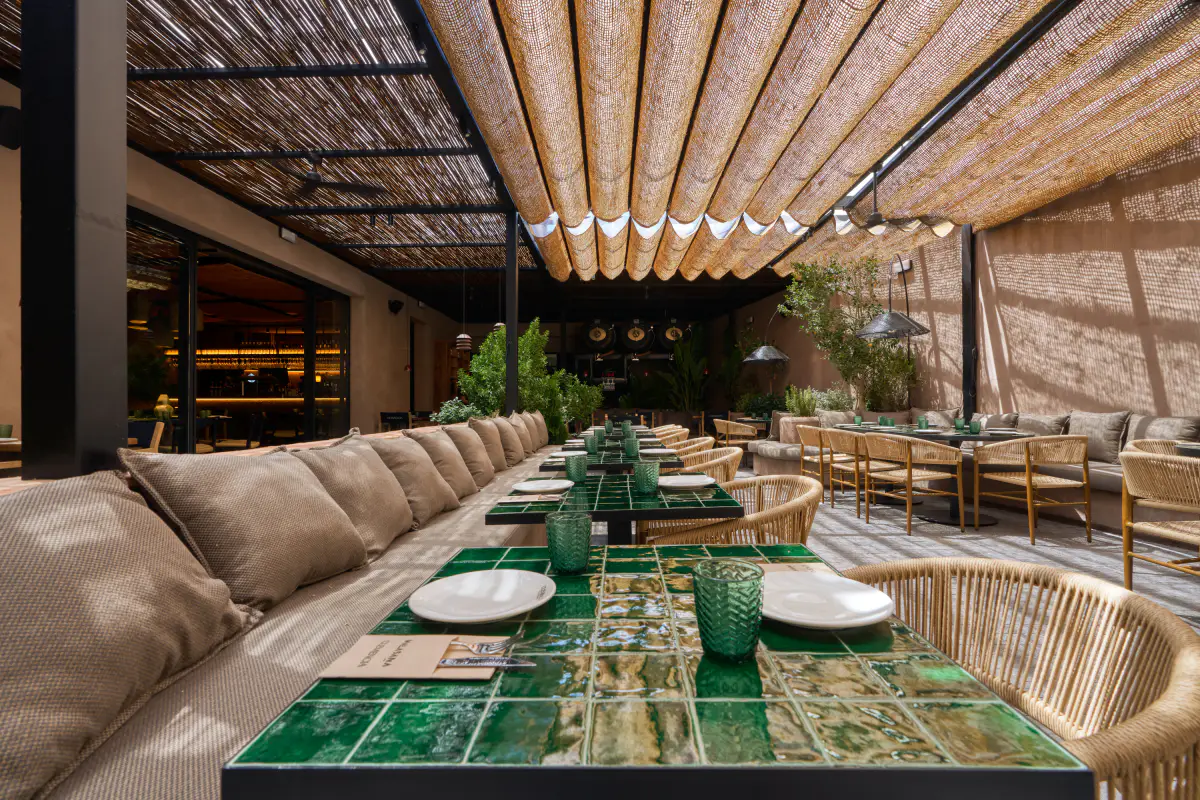
• Natural materials and organic finishes. Wood, rattan, stone, natural-looking fabrics, and nature-inspired colors will continue to gain prominence.
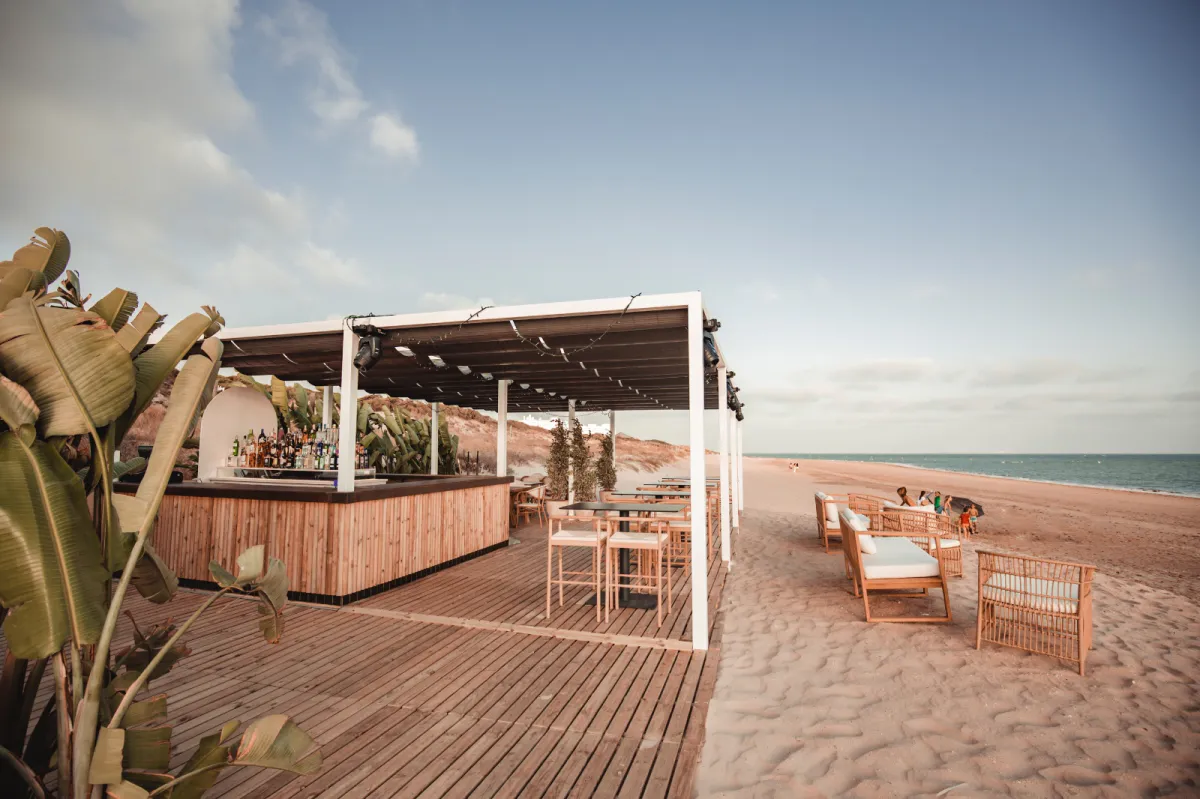
• A greater focus on outdoor spaces. Terraces, beach clubs, beachfront restaurants, patios, and rooftop decks will continue to become key spaces, driving demand for weather-resistant and low-maintenance furniture.
• Timeless design. In contrast to fleeting trends, many projects will opt for pieces with simple lines that will retain their appeal for years to come.
• Sustainability and the circular economy. Interest will grow in recycled materials, certified wood, responsible manufacturing processes, and products designed to last and be repairable.
• Greater comfort. Chairs, sofas, and waiting areas will be designed to offer a more comfortable experience, encouraging customers to stay longer at the establishment.
• Customization. Projects will increasingly demand finishes, colors, and upholstery tailored to each brand’s identity.
Beyond aesthetic trends, the contract furniture of the future must combine design, durability, sustainability, and the ability to adapt to constantly evolving spaces. Suppliers capable of offering flexible and durable solutions will be best prepared to meet market needs in the coming years.
MisterWils’ experience. We’ve noticed this in the evolution of our own orders. Ten years ago, the bulk of our sales was indoor furniture; today, a very significant portion of the projects we handle include terraces, rooftops, or patios.
Although all of these materials are commonly used in chairs and hospitality furniture, their characteristics, durability, and maintenance requirements vary greatly. Choosing the right one will depend on the intended use and the location where the furniture will be installed.
Natural rattan. It is a plant-based fiber obtained from a climbing palm tree. It stands out for its warm, handcrafted look and is highly prized for indoor use. It is not recommended for outdoor use where it is exposed to the sun or rain, as moisture and UV rays can cause it to deteriorate and warp over time.
Synthetic rattan. Typically made from high-quality polyethylene, it replicates the appearance of natural rattan but offers far superior weather resistance. It is one of the most popular choices for patios, gardens, hotels, and restaurants, often paired with aluminum, making it an ideal material for outdoor use.
Synthetic rope. Made from technical fibers such as polyester or olefin, it offers a contemporary design and great comfort.
It withstands sunlight, humidity, and continuous use well, which is why it’s very common in outdoor contract furniture when combined with aluminum.
Textilene. It is a high-strength technical fabric made of PVC and polyester. It is primarily used for backrests and seats due to its elasticity, comfort, and excellent resistance to rain, UV rays, and wear and tear. In addition, it dries very quickly and requires virtually no maintenance. It’s the best option if you’re looking for affordable patio chairs, because it requires less labor and is therefore usually more affordable.
In general, natural rattan is the best choice for interiors with a warm, natural style, while synthetic rattan, synthetic rope, and Textilene are particularly well-suited for outdoor spaces and commercial projects due to their greater durability and ease of maintenance.
MisterWils’ Experience. We see this all the time in our showroom: a customer chose beautiful natural rattan chairs for a beachfront terrace. We warned them that natural rattan cannot withstand direct sunlight, rain, and salt air, so they ultimately switched to synthetic rattan with an aluminum frame. Five years later, those chairs are still in use; the natural rattan ones he set up indoors are too, but outdoors they wouldn’t have lasted a single summer.
Wood is one of the most widely used materials in contract furniture due to its durability, beauty, and ability to adapt to different decorative styles. However, not all types of wood offer the same properties. Their hardness, stability, moisture resistance, weight, and maintenance requirements can vary considerably.
In the hospitality industry, hotels, offices, and retail stores, it is important to choose the right type of wood based on how the furniture will be used. A restaurant table, for example, has very different requirements than a side table for a home.
Here are some of the most commonly used types of wood in furniture:
No one type of wood is better than another. The choice will depend on the intended use, the location of the furniture, the budget, the style of the project, and the amount of maintenance you’re willing to do. Understanding the characteristics of each species allows you to make better decisions and extend the life of your furniture.
MisterWils’s experience. At MisterWils, we’ve been selling mango wood tabletops for indoor use for years: it’s a very hard tropical wood that rarely causes problems and offers excellent value for the money, but like all wooden tabletops, they require maintenance—sanding and varnishing at least once a year, or every 6 months in cases of very heavy use.
Upholstery affects the appearance, comfort, durability, and maintenance of a chair, armchair, or sofa. No one fabric is better than another; the choice will depend on the intended use, the style of the project, and the demands of the space.
MisterWils’ Experience. In hotel projects, it is common for clients to request flame-retardant fabrics , It is a market trend. In the case of restaurants, it is common to specify a fabric that meets at least the cigarette burn test (UNE-EN 1021-1).
When choosing a table for a restaurant, hotel, or café, many people focus all their attention on the design and overlook the part that suffers the most wear and tear over time: the tabletop.
The material used for the tabletop directly affects the table’s durability, maintenance requirements, appearance, and lifespan. There is no single material that is perfect for every project, so it’s important to understand the pros and cons of each option.
Interior Materials
Materials specifically recommended for outdoor use
Checklist: How to Choose the Right Board
Before deciding on a material, consider the following:
The tabletop is one of the most important parts of a commercial table. Choosing the right material not only enhances the project’s aesthetics but also reduces maintenance, extends the furniture’s lifespan, and ensures better performance under daily use.
MisterWils’s experience. Here’s an example we often cite: if the customer doesn’t want to risk staining their tabletop, it’s better to go straight for HPL laminate and rule out marble.
In many commercial projects—especially in hotels, restaurants, residential buildings, hospitals, or public buildings—it is not enough to simply choose a durable, easy-to-clean fabric. The upholstery may also need to meet certain fire-safety requirements.
It is important to know that there is no single fire-resistant certification. Depending on the country, the type of project, and the applicable regulations, different tests may be required.
The most common ones are:
MisterWils’ experience. It’s a complex issue because different tests are used in each country, but the textile suppliers we work with are very experienced in advising customers on this matter.
When choosing upholstery for a commercial project, you shouldn’t just focus on color or texture. It’s also important to consider its abrasion resistance, which is typically measured using the Martindale test.
This test simulates the wear and tear that fabric undergoes due to continuous friction. The result is expressed in Martindale cycles: the greater the number of cycles the fabric can withstand before showing significant wear, the greater its durability.
As a general guideline:
Although the Martindale test is an excellent indicator of a fabric’s durability, it should not be the sole criterion for selection. It is also important to consider ease of cleaning, stain resistance, and flame-retardant certifications when necessary, as well as the comfort provided by the upholstery.
MisterWils’s experience. For heavy-duty use, we recommend fabrics rated for 45,000 cycles or more. It’s also true that, generally speaking, the higher the cycle count, the less pleasant the fabric feels to the touch.
A well-designed patio not only enhances a business’s image, but it can also increase customer comfort, optimize seating capacity, and make staff members’ jobs easier. Before choosing the furniture, it’s a good idea to plan the space with a holistic approach.
Here are some recommendations to keep in mind:
A well-designed terrace should be attractive, functional, and durable. Taking the time to plan the layout, choose the right materials, and select high-quality furniture will help provide a better customer experience and make the most of the available space.
MisterWils’s experience. For a terrace project in Málaga, the client wanted to fit in as many tables as possible. We suggested reducing the number of tables from 28 to 24 to create more spacious aisles, and the result was the opposite of what they feared: by improving foot traffic, table turnover and the average check both increased. Fewer tables, higher revenue: this is a case we often share in the showroom.
It’s possible for two restaurants to have exactly the same tables and chairs, yet convey completely different atmospheres. The difference usually lies in the lighting, the decor, and the way all these elements come together.
A good contract design project isn’t just about choosing attractive furniture. Lighting, textiles, plants, wall coverings, paintings, mirrors, and decorative objects all help create a unique identity and a memorable experience for the client.
Lighting is especially important. Lighting that is too cold can make a restaurant feel unwelcoming, while warm, well-distributed lighting encourages guests to stay longer and enhances their perception of the space. Similarly, a balanced combination of general, ambient, and decorative lighting adds depth and character.
Decor also serves a practical purpose. It helps set a business apart from its competitors, reinforces the brand image, and creates more pleasant spaces for customers and employees. In many cases, small decorative touches have a much greater impact than an additional investment in furniture.
The key is to ensure that all the elements speak the same language: furniture, lighting, colors, materials, and decor must come together to form a cohesive whole.
A well-designed project isn’t remembered solely for its chairs or tables. It’s remembered for the feelings it evokes. When the furniture, lighting, and decor work in harmony, the space gains character, enhances the customer experience, and reinforces the business’s identity.
MisterWils’s experience. It’s something we see in our own showroom: we display the same set of table and chairs in two different settings, and customers think they’re different products.
Lounge areas are no longer exclusive to luxury hotels. Today, they are a common feature in restaurants, cafes, reception areas, offices, retail spaces, and all kinds of contract projects where the goal is to offer customers a more comfortable and enjoyable experience.
Creating a good lounge area isn’t just about placing sofas. It’s important to combine different types of seating, side tables, lighting, and decorative elements to achieve a balanced, functional, and cozy atmosphere.
Sofas are ideal for waiting areas, hotel lobbies, or relaxation corners, as they provide comfort and a sense of exclusivity.
Upholstered benches allow for better use of space in restaurants and cafes, make it easier to arrange tables, and help create a more intimate atmosphere. In addition, they typically offer greater seating capacity than individual chairs.
Chairs and armchairs are perfect for reading areas, reception areas, waiting rooms, or spaces where customers spend more time.
In hotels, a comfortable lobby creates an excellent first impression and makes waiting a pleasant experience. In restaurants, a lounge area can be used to have an appetizer, enjoy a drink, or wait for a table. In offices and coworking spaces, these areas encourage informal meetings and collaboration.
When designing these areas, it is important to consider ergonomics, the durability of the upholstery, ease of cleaning, lighting, and furniture layout. A well-designed space not only enhances user comfort but also adds character, reinforces the brand image, and increases the perceived value of the establishment.
MisterWils’s experience. At a restaurant in Huelva, we replaced half of the four-chair tables with upholstered benches placed against the wall. This added eight seats without expanding the space, and, as the owner told us, the tables next to the benches were the first to fill up. It’s one of the recommendations we make most often in our project department.
If we were to compare a restaurant from 2015 with one opening today, we would see that restaurant furniture has evolved much more than it appears. Not only have the designs changed; so too have business needs and customer expectations.
A few years ago, highly themed interiors were all the rage, where everything revolved around a specific style: industrial, vintage, Nordic, or rustic. Today, design projects seek a more personal identity, blending materials, colors, and styles to create unique spaces.
Comfort has taken center stage. Chairs are more ergonomic, upholstered benches are used more frequently, and lounge areas have become a staple in many restaurants and hotels.
Materials have also changed. Polypropylene has evolved significantly, technical fabrics offer better performance, HPL compact panels have become a staple on patios, and synthetic ropes or Textilene make it possible to create much more durable outdoor furniture.
The pandemic marked another turning point. Outdoor seating areas took center stage, and many establishments invested in specialized outdoor furniture that was durable, lightweight, and easy to maintain.
Sustainability has also evolved from being an added value to becoming a purchasing criterion. It is increasingly common to seek out certified wood, recyclable materials, and products designed to last for many years.
Another significant change has been in purchasing behavior. Previously, price was the main criterion. Today, many professionals also value stock availability, delivery times, the ability to restock in the future, and after-sales service.
Perhaps the biggest change isn’t in the chairs or tables, but in the way we approach a project. Furniture is no longer chosen solely to fill a space. It is selected to reinforce a business’s identity, enhance the customer experience, and ensure a profitable long-term investment. And all signs point to this trend continuing in the coming years.
MisterWils’ experience. We see it in our own catalog. Ten years ago, most of what we offered was indoor furniture; after the pandemic, outdoor furniture featuring aluminum frames, synthetic rope, and compact HPL became one of our most popular product lines.
The answer is yes, although business owners often don’t make a direct connection between this and their furniture.
When a customer recalls a meal, they rarely think solely about the quality of the food. Their assessment is based on many factors: the service they received, the atmosphere, the lighting, the noise level… and also their comfort throughout the entire experience.
An uncomfortable chair doesn’t usually prompt a direct complaint, but it can make a customer want to finish their meal sooner, decline a second cup of coffee or dessert, or simply decide not to return.
In a fine-dining restaurant, where guests may remain seated for more than two hours, ergonomics is of paramount importance. A poorly designed backrest, a seat that’s too hard, or an incorrect height can turn an excellent dining experience into one that’s merely adequate.
But comfort isn’t the only factor. An unstable chair—one that wobbles, creaks, or shows signs of wear—gives the impression of poor quality. These are small details that customers perceive subconsciously and that influence the overall image of the establishment.
There is also an impact on staff. Chairs that are too heavy make daily service and cleaning more difficult, while those that are not sturdy enough lead to breakdowns, replacements, and maintenance costs.
Signs That Chairs Are Detracting from the Experience
How can this problem be avoided?
Before choosing a chair, it’s important to consider much more than just the design:
A chair alone won’t make a restaurant successful, but it can help a customer enjoy the experience more and want to come back.
MisterWils’s experience. In the hospitality industry, small details make a big difference, and furniture is one of them. A good chair goes unnoticed because it’s comfortable; a bad chair, on the other hand, stays in the customer’s memory long after the meal is over.
Few decisions have as much of an impact on a customer’s comfort as the choice of stool. However, it is one of the pieces of furniture that leads to the most mistakes in bars, restaurants, cafes, and hotels.
The first thing to consider is height. Not all stools are designed for the same purpose. Models for a kitchen island typically have a seat height between 62 and 66 cm (for countertops 90–95 cm high), while those intended for a bar or restaurant counter are usually between 74 and 78 cm (counters 105–110 cm). Choosing the wrong height can make the customer feel uncomfortable right from the start.
It’s also worth considering how long the stool will be used. If the customer will only be sitting for a few minutes, a stool without a backrest may be sufficient. However, in restaurants, cafes, or bars that serve full meals, an ergonomic backrest significantly improves comfort.
When it comes to patios, in addition to comfort, it’s essential to choose materials that can withstand sun, rain, and humidity, as well as finishes that are easy to clean and maintain.
Another common mistake is focusing solely on design. A stool must provide stability, a comfortable footrest, and a frame built to withstand heavy use. In professional projects, it’s also important that it can be supplied in large quantities and that replacement parts or replacements of the same model are available.
Checklist: How to Choose the Right Stool
Before making a decision, consider the following points:
A good stool goes unnoticed because it’s comfortable right from the start. A bad stool, on the other hand, can make a customer want to get up early. Choosing the right height, backrest, materials, and a reliable supplier will make all the difference in both the customer experience and the business’s profitability.
MisterWils’s experience. Questions about the seat height of stools are the most common inquiries we receive in the showroom and over the phone.
High tables have become a common feature in bars, restaurants, cafes, and hotels. When used effectively, they help create more dynamic spaces, improve traffic flow, and offer an experience different from that of traditional tables.
One of their main advantages is that they take up less visual space and allow you to create informal areas for breakfast, snacks, quick meals, or brief meetings. They’re also very useful next to counters, storefronts, patios, or waiting areas.
However, they are not suitable for all businesses or all customers. Sitting on a stool during a long meal does not offer the same level of comfort as a conventional table. For this reason, many projects combine both formats to accommodate different uses.
When choosing a high table, it’s important to make sure there’s the right proportion between the height of the tabletop and that of the stool. As a general guideline, a high table typically has a tabletop height of between 105 and 110 cm, while the stool seat should be between 74 and 78 cm, leaving a comfortable legroom of approximately 28 to 32 cm.
It’s also important to consider the table’s stability, especially on patios or in high-traffic areas. The base must support the weight of the tabletop and prevent it from moving when customers lean on it.
Checklist Before Choosing High Tables
High tables do not replace traditional tables; rather, they complement them. When used in the right setting, they add a dynamic touch, optimize space, and help create a more informal and inviting atmosphere for customers.
MisterWils’s experience. We recommend high tables with a tabletop height of 105–110 cm, although it is true that we are increasingly encountering projects that call for lower-height tables to provide customers with added comfort. Our custom manufacturing department can produce table frames at heights other than the standard ones.
One of the most important decisions when designing a restaurant, bar, or café is whether to choose high tables, low tables, or a combination of both. No one option is better than another—it all depends on the business concept, the type of customer, and the experience you want to offer.
Low tables are the most comfortable option for long meals. They allow for a relaxed posture and are suitable for families, groups, and customers who will be seated for an extended period of time. That is why they are so common in restaurants, hotels, and cafes where the service revolves around a full meal.
High tables, on the other hand, create a more dynamic and informal atmosphere. They’re ideal for breakfast, appetizers, tapas, after-work drinks, or quick bites. They also help create a sense of spaciousness and work very well next to bars, storefronts, patios, and waiting areas.
However, high tables aren’t equally comfortable for all customers. Older adults, children, and people with limited mobility tend to feel more comfortable at a conventional table.
In many cases, the best solution is to combine both formats. This way, each customer can choose the space that best suits their needs, and the establishment gains versatility.
Checklist Before Making a Decision
In most hospitality projects, the best decision isn’t to choose between high and low tables, but to find the right balance between the two. A well-thought-out layout improves comfort, optimizes space, and allows for flexibility in accommodating different types of customers and dining occasions.
MisterWils’s experience. We’ve seen this happen many times: A café in Madrid that served breakfast and lunch set up only high tables. Families with children and older customers avoided the place at mealtimes. When they converted half the dining area to low tables, they won back that clientele without losing the casual atmosphere of the bar.
Choosing a chair for a restaurant, hotel, café, or office involves much more than just design. A chair may be very attractive, but if it’s uncomfortable, heavy, or not durable, it will end up becoming a problem for the business.
Before making a decision, it’s a good idea to consider the following points:
Comfort
A comfortable chair enhances the customer experience. Seat height, backrest angle, and ergonomics are especially important when the customer will be seated for a meal or a meeting.
Ergonomics
Not all businesses require the same level of comfort. A fine-dining restaurant or a hotel requires different ergonomic considerations than a coffee shop or a waiting area.
Weight
A chair that is too heavy makes it difficult for staff to perform their daily tasks, such as cleaning and reorganizing the premises. A lightweight model improves efficiency without compromising stability.
Stackability
On patios, in event rooms, and in multipurpose spaces, stackable chairs make storage, transport, and cleaning easier.
Maintenance
The materials must be able to withstand frequent cleaning and heavy use. The easier they are to maintain, the lower the long-term costs will be.
Upholstery
They offer comfort and elegance, but should be chosen based on their intended use. In the hospitality industry, it’s important to consider durable fabrics that are easy to clean and, when the project requires it, have specific certifications.
Materials
Most Common Mistakes
Checklist Before Choosing a Chair
Before requesting a quote, be sure to answer these questions:
The perfect chair isn’t necessarily the most expensive or the most eye-catching one. It’s the one that combines comfort, durability, functionality, and design, while adapting to the business’s actual needs. Making the right choice from the start will reduce maintenance costs, improve the customer experience, and extend the furniture’s useful life.
MisterWils’s experience. At MisterWils, we always give the same advice: sit down before you buy. An interior designer chose a beautiful chair from a catalog for a restaurant where the average stay was two hours; when he came to the showroom and tried it out, he switched to a different model on the spot. That’s why we maintain a showroom where customers can physically try out all the furniture before making a decision.
In short, a contract chair isn’t just suitable for a home; in many cases, it can be a more sturdy, durable, and practical option than a chair designed exclusively for home use. The key is to choose a model that combines the features of professional furniture with the design and level of comfort you’re looking for in your home.
MisterWils’s experience. We’re serving more and more private customers who discover contract furniture through our hospitality projects. A customer who had seen our chairs at a restaurant in Seville came to the showroom to buy six of them for his home.
This is one of the most common questions when designing a restaurant, hotel, or café. Is an upholstered chair better, or is an unupholstered chair made of wood, aluminum, or polypropylene better?
The reality is that there is no single answer. The choice will depend on the type of business, the intended use, and the customer experience you want to provide.
Upholstered chairs
Upholstered chairs stand out for their comfort and the sense of quality they convey. They are an excellent choice for restaurants where customers stay seated for longer periods, hotels, meeting rooms, or spaces where comfort is part of the experience.
Advantages
Drawbacks
Chairs without upholstery
Chairs made of wood, aluminum, or polypropylene offer a very practical solution for high-traffic areas. They are easy to clean, very durable, and require little maintenance.
Advantages
Drawbacks
Which material should I choose?
The solution that works best
In many contract projects, the best decision is not to choose a single type of chair, but to combine both options. It is common to find upholstered chairs in main dining rooms and non-upholstered models on patios, in breakfast areas, or in high-traffic spaces.
Checklist Before Making a Decision
A good chair isn’t chosen based solely on its appearance. It must meet the business’s actual needs, provide the right level of comfort, and make employees’ daily work easier. In many cases, combining upholstered and non-upholstered chairs allows you to achieve the perfect balance between design, comfort, and functionality.
MisterWils’s experience. At a hotel in Almería, we used exactly that combination: upholstered chairs in the main dining room, where guests dine in a relaxed atmosphere, and unupholstered aluminum and synthetic rope chairs in the breakfast room and on the pool terrace. Four years later, the upholstery in the dining room remains in impeccable condition because it is not exposed to chlorine, sunscreen, or moisture.
When choosing a chair for a restaurant, hotel, or café, most people focus on the design, material, or price. However, one of the factors that most influences the day-to-day operations of the business is its weight.
There is no such thing as a “perfect” weight for all chairs, but there is a balance between comfort, stability, and ease of use.
A chair that is too light can easily shift when a customer sits down or stands up, give the impression of being of lower quality, or be less stable on terraces exposed to the wind.
On the other hand, a chair that is too heavy places an added burden on staff. It must be moved during cleaning, the dining room must be rearranged several times a day, and, in some cases, the chair must be transported for events or stored. In the long run, that extra effort also comes at a cost.
As a general guideline:
Weight also depends on the material. Chairs made of aluminum and polypropylene are usually the lightest, and this is one of the main reasons they are used so frequently on the patios of bars, restaurants, and cafes. Their light weight makes it easier for staff to set them up daily, clean them, store them, and rearrange the space.
In addition to being lightweight, both materials offer excellent resistance to moisture, rain, and UV rays, require very little maintenance, and are perfectly suited to the heavy-duty use typical of the hospitality industry. The combination of lightness, durability, and ease of maintenance explains why they have become one of the preferred choices for outdoor furniture.
Solid-wood models offer a very interesting balance between strength and stability, while fully upholstered models or those with sturdy metal frames tend to be heavier.
Most Common Mistakes
Checklist Before Choosing a Chair
In a contract project, the ideal weight is neither the heaviest nor the lightest, but rather the one that combines stability, comfort, and efficiency in daily work. A difference of just two kilos per chair may seem insignificant, but when a waiter moves dozens of them every day, that difference really adds up.
In a restaurant with an 80-seat patio, staff may move several hundred kilograms of furniture each day. Choosing a model with the right weight not only improves operations but also reduces physical strain and the risk of injury.
MisterWils’s experience. On a terrace with 80 chairs, replacing an 8-kg model with a 4.5-kg one reduces the total weight of the furniture from 640 to 360 kg. But the real impact is even greater: by setting out and collecting the chairs each day, staff go from handling approximately 1,280 kg daily to 720 kg—that is, 560 kg less physical load each day. If the chairs are also rearranged during service, the reduction in effort easily exceeds one metric ton of weight handled per day. This difference has a direct impact on ergonomics, worker fatigue, the speed of opening and closing the terrace, and the reduction of musculoskeletal injuries.
Stackable chairs are one of the most practical solutions for restaurants, hotels, cafes, outdoor patios, and multipurpose spaces. However, they aren’t always the best option. Choosing between a stackable chair and a fixed model will depend on the day-to-day operations of the business.
The main advantage of a stackable chair is its versatility. It allows you to quickly clear a patio, rearrange a dining room, set up for an event, or make it easier to clean the space. In establishments where furniture is moved frequently, this feature saves a significant amount of time and effort.
Another advantage is storage. Since you can stack several units in a small space, it’s much easier to store spare furniture or protect the chairs when the establishment is closed.
However, stackability can also have some drawbacks. To allow multiple chairs to fit on top of one another, some designs slightly compromise ergonomics or incorporate simpler structures. Furthermore, not all stackable chairs can accommodate the same number of units: some models can hold four or five chairs, while others can stack up to ten or more.
It is also important to ensure that the stacking mechanism does not damage the seat, backrest, or finish of the chair. High-quality models include spacers or separators that prevent direct contact between parts.
When is it a good idea to choose stackable chairs?
When aren’t they essential?
In fine-dining restaurants, high-end hotels, or dining rooms where the layout rarely changes, stackability may take a back seat. In these cases, design, ergonomics, or comfort are usually prioritized.
Checklist Before Choosing a Stackable Chair
Stackability is a very useful feature, but it shouldn’t be the only factor to consider when making a purchase. A good contract chair should still offer comfort, strength, and durability, whether it’s stackable or not. The best choice will always be the one that suits each establishment’s work style.
MisterWils’s experience. It is becoming increasingly common for contract furniture customers to ask about stackable chairs, so they can organize events at their venues and have more flexibility when it comes to storing or moving the furniture.
The perfect chair for a restaurant isn’t always the best choice for a patio. Outdoors, furniture must withstand the sun, rain, temperature changes, and heavy use without compromising comfort or style.
Before choosing a chair for a patio, it’s a good idea to consider these factors.
The material
This is the most important factor. Chairs made of aluminum, polypropylene, synthetic rattan, or synthetic rope offer excellent weather resistance and require very little maintenance. If you choose a wooden chair, make sure it’s made of a wood species suitable for outdoor use and that it receives the recommended maintenance.
Weight
A chair that is too light can easily be blown away in the wind or when a customer sits down. On the other hand, a chair that is too heavy will make the staff’s daily work more difficult. The ideal is to find a balance between stability and ease of use.
Comfort
Many customers will remain seated throughout an entire meal. A well-designed backrest and a comfortable seat will enhance the experience and make their visit more enjoyable.
Maintenance
In the hospitality industry, chairs are cleaned every day. It’s best to choose materials that can withstand cleaning products, moisture, and stains without deteriorating.
Stackability
If the patio is cleared away every night or the layout is changed frequently, stackable chairs will make the job much easier and reduce the amount of storage space needed.
Resistance
Make sure the chair is designed for professional use. On a patio, it may be used hundreds of times a month, so the quality of the frame and joints is essential.
Most Common Mistakes
Checklist Before Buying Chairs for a Patio
A good patio chair should withstand years of use without losing its stability, comfort, or appeal. Choosing the right chair from the start will reduce maintenance, prevent premature replacements, and provide a better experience for both customers and staff.
MisterWils’s experience. Without a doubt, for a patio, we always recommend stackable chairs: they make it easier to set up the chairs each day and put them away at night.
In a fine-dining restaurant, the chair is part of the experience. Diners may remain seated for two or three hours, so comfort is almost as important as the quality of the food or the service.
Choosing the right chair means finding the right balance between design, comfort, durability, and functionality.
Comfort is a priority
In this type of restaurant, customers spend a long time at the table. A comfortable seat, an ergonomic backrest, and the right proportions will make all the difference. An uncomfortable chair can spoil an otherwise excellent dining experience.
The design should reinforce the restaurant’s identity
The chair should not be the focal point, but it should be part of the project’s aesthetic language. Materials, colors, and finishes should blend seamlessly with the architecture, lighting, and decor of the space.
Upholstery adds value
In many fine-dining restaurants, upholstered chairs offer a greater sense of comfort and exclusivity. The key is to choose heavy-duty contract fabrics that are easy to clean and designed for professional use.
Quality is evident
A stable chair, with no wobbling or noise, conveys a sense of quality from the very first moment. These are small details that customers notice, even if they aren’t aware of it.
Weight matters, too
The chair should provide stability without hindering the staff’s work. During each service, it will need to be moved hundreds of times to seat customers, clean the dining room, or rearrange the tables.
Acoustics also play a role
Chairs with upholstery or noise-dampening materials help create a quieter and more pleasant atmosphere. In addition, adding high-quality leg pads prevents noise when moving the chairs and protects the floor.
Most Common Mistakes
Checklist Before Choosing a Chair
In a fine-dining restaurant, a chair is more than just a seat. It’s part of the experience the guest enjoys from the moment they sit down until they leave the restaurant. The right choice enhances comfort, reinforces the restaurant’s image, and helps make the dining experience truly memorable.
MisterWils’s experience. Here’s a tip we always give in the showroom: if the customer is going to be sitting there for two hours, sit there yourself for two hours before making a decision.
Choosing chairs for a café isn’t just about finding an attractive model. They must be comfortable, durable, and practical to withstand the daily hustle and bustle of the business, where tables constantly change occupants and the furniture is moved dozens of times a day.
The key is to strike a balance between design, functionality, and durability.
Comfort, but without going overboard
In a coffee shop, customers typically stay between 20 minutes and an hour. The chairs should be comfortable, although they don’t need to be as comfortable as those in a fine-dining restaurant.
Lightness
Chairs are constantly being moved to clean the premises or rearrange the tables. A lightweight model makes the staff’s daily work easier and reduces physical strain.
Resistance
A café chair can be used hundreds of times each week. The quality of the frame, joints, and materials is essential to ensuring a long service life.
Maintenance
Stains from coffee, milk, juice, or pastries are a part of everyday life. Materials must be easy to clean and maintain, especially in establishments with a high customer turnover.
Interior and Terrace
If the café has a patio, it’s best to choose materials that can withstand the sun, rain, and humidity. In many cases, different models are used for indoor and outdoor settings.
Stackability
When the patio is cleared away each night or the venue hosts events, stackable chairs save space and make storage easier.
Brand Image
The chair is part of the café’s visual identity. It should blend in with the décor, lighting, and style of the establishment to create an attractive and recognizable atmosphere.
Most Common Mistakes
Checklist Before Choosing a Chair
In a café, the chairs work just as hard as the staff. They’re used constantly, moved hundreds of times, and are part of the business’s image. Choosing a model designed for the contract market will reduce maintenance, improve the customer experience, and ensure a return on investment for many years to come.
MisterWils’s experience. In a coffee shop, it’s important to consider the width of the chairs; smaller chairs allow for better use of space.
Choosing chairs for a hotel is much more complex than simply selecting a single model. A single hotel may need chairs for the restaurant, the café, the guest rooms, the meeting rooms, the front desk, the terraces, or the pool area, and each space has different needs.
That’s why the first step isn’t to choose a chair, but to determine how it will be used.
Every space needs a different chair
A restaurant chair should be comfortable enough to sit in throughout a meal. In a breakfast room, it’s important that it be durable and easy to clean. In a living room, design may take precedence, while in a meeting room, ergonomics are essential.
Comfort
The hotel offers relaxation and well-being. Comfortable furnishings should be a feature of every space, especially in restaurants, lounge areas, reception areas, and guest rooms.
Resistance
A hotel welcomes hundreds or thousands of guests each year. The chairs must withstand continuous use without losing their stability or deteriorating in appearance.
Maintenance
Housekeeping is an integral part of the day-to-day operations of any hotel. Durable materials, easy-to-maintain upholstery, and long-lasting finishes help reduce costs and maintain a positive image.
Design and Identity
The furnishings should reflect the establishment’s personality. A city hotel, a boutique hotel, a resort, or a rural hotel will have very different aesthetic needs, but all must maintain a consistent image throughout their spaces.
Product Continuity
Hotels often renovate rooms in phases or expand their facilities over time. Being able to purchase the same model years later is a major advantage for maintaining the project’s consistency.
Most Common Mistakes
Checklist Before Choosing a Chair for a Hotel
In a hotel, chairs are more than just functional items. They are part of the guest experience and help convey the hotel’s personality. Choosing the right model for each space will enhance comfort, reinforce the hotel’s image, and ensure that the furniture retains its quality for many years.
Not all hotels need the same furniture. A five-star hotel, a boutique hotel, an aparthotel, a hostel, or a resort all use their spaces in very different ways. Choosing chairs based on the actual use of each area usually yields better results than trying to standardize the entire property with a single model.
MisterWils’s experience. Almost all hotel guests request custom upholstery for their chairs; our customization department offers a wide range of solutions to help you choose the best upholstery at the best value…
If you are a decorator, architect, store manager or restaurant owner, take advantage of the discounts for professionals.
Complete the unique registration process and gain access to all the exclusive advantages of MisterWils PRO: special discounts, a salesperson who will personally manage your account, and more than 30,000 items in stock available in our warehouse for fast delivery.
Designing the interior of a restaurant is an exciting challenge that requires a great many details to be taken into
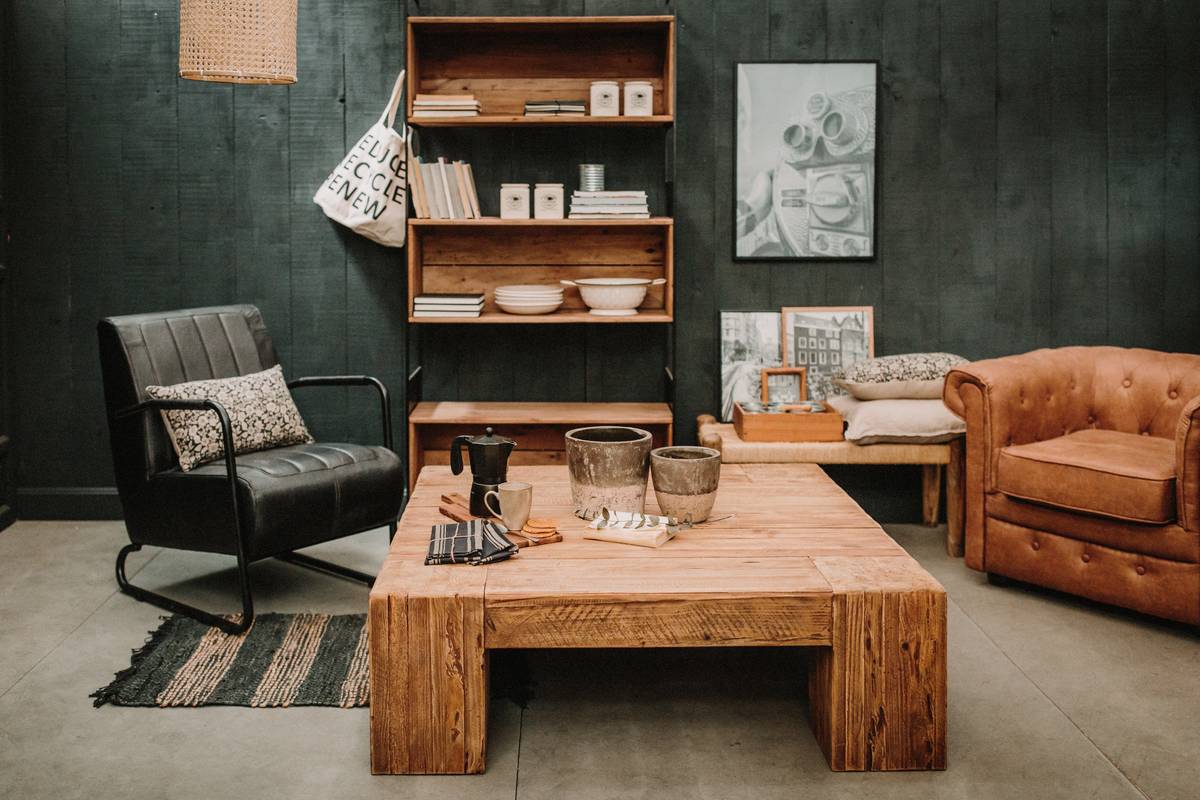
The world of contemporary interior design is undergoing a profound shift towards environmental sustainability. Today, sustainability is no longer a
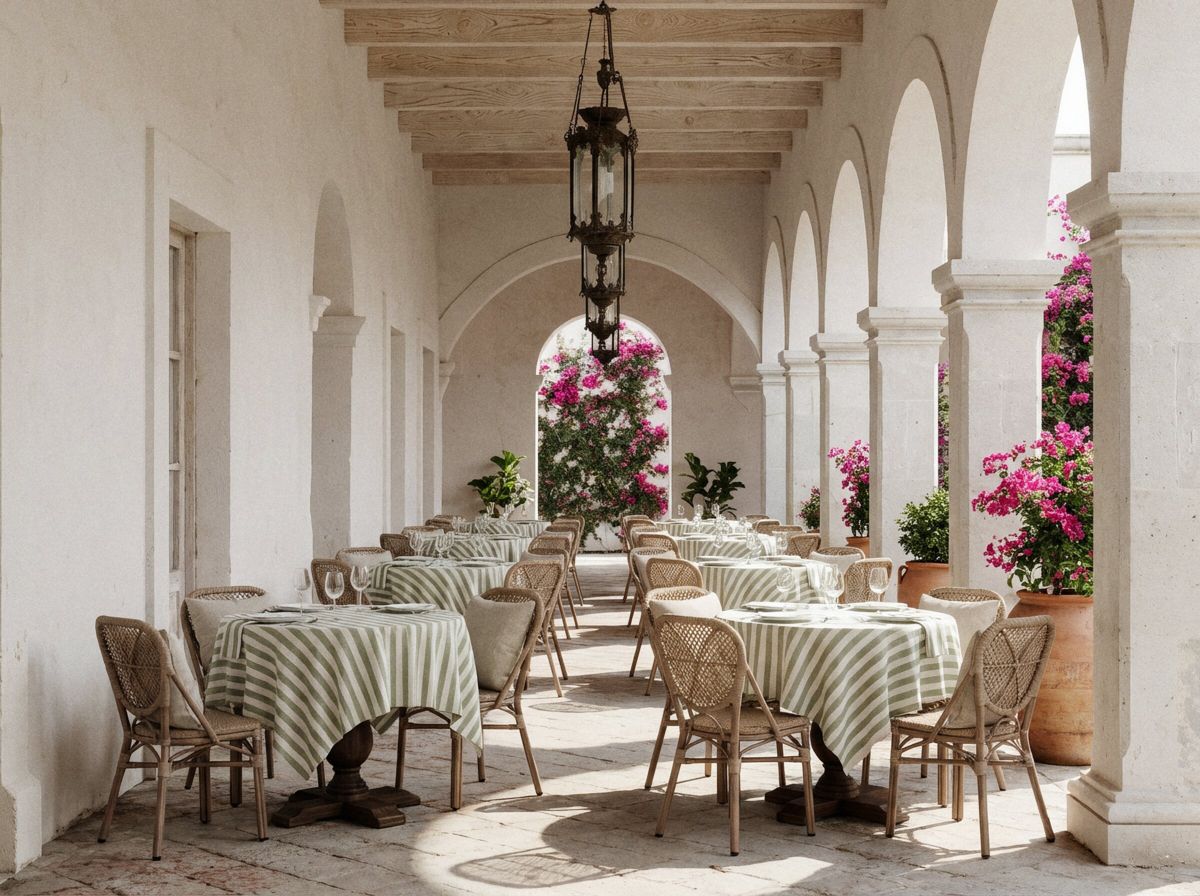
“Outdoor design is no longer the poor relation of interior design. In the world of contract design, the terrace is the first impression, an urban retreat and the setting where the magic happens. If you want your restaurant project to stand out, forget the conventional. Here are the pieces that will take your space to the next level.”
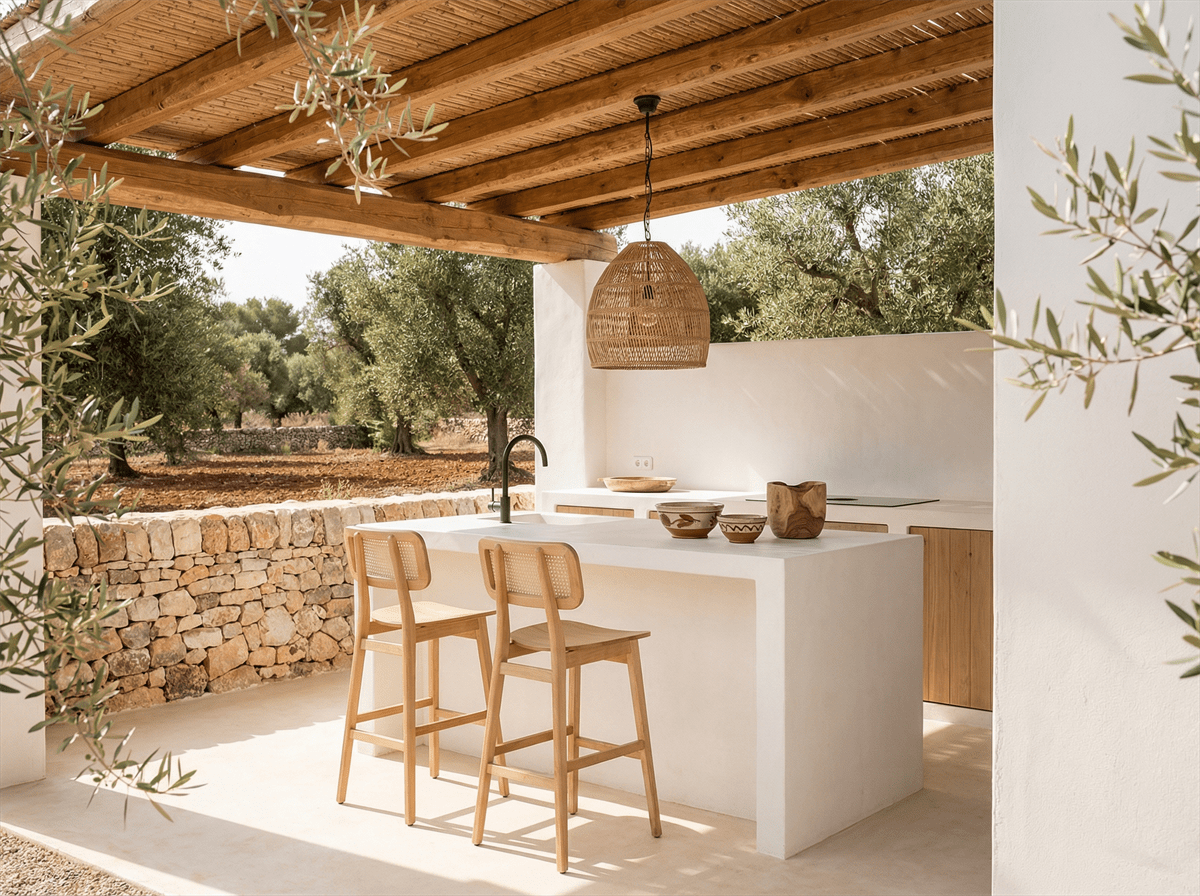
Spring is that time of year when nature comes back to life… and with it, our home. As the days