



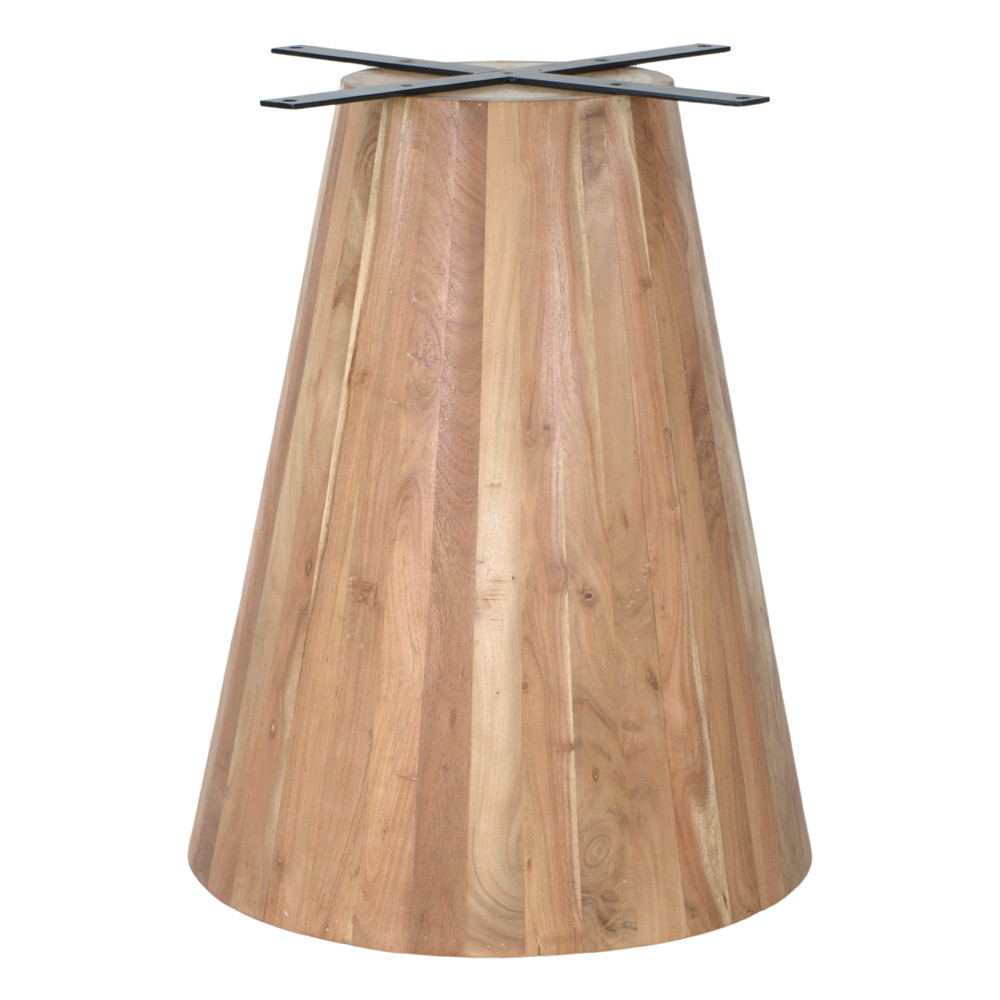
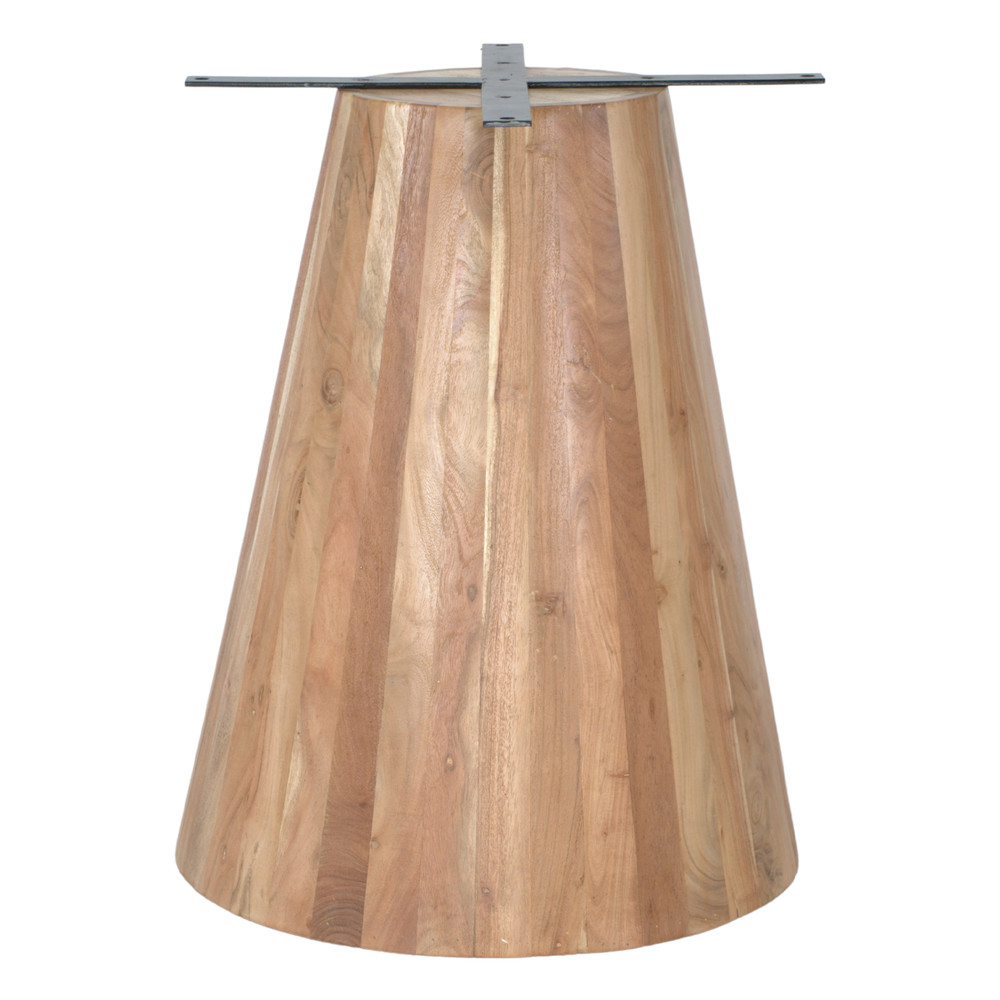
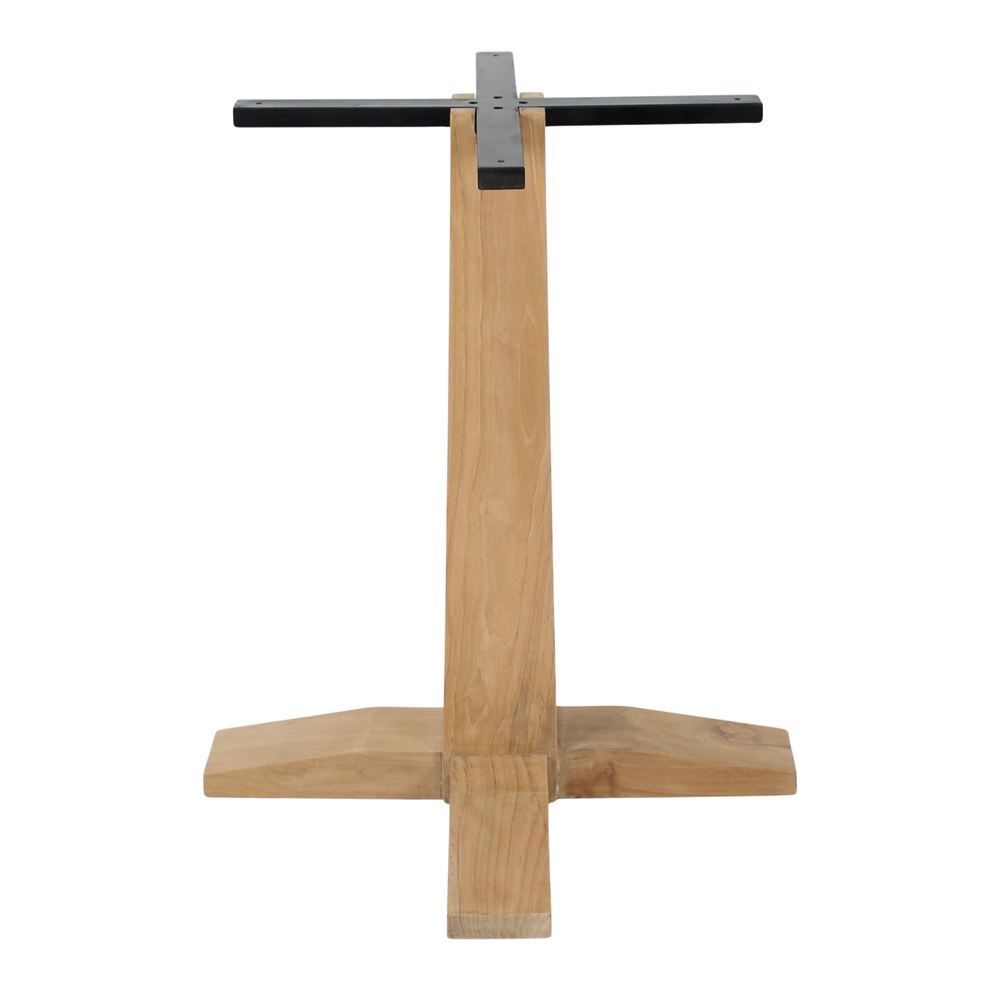
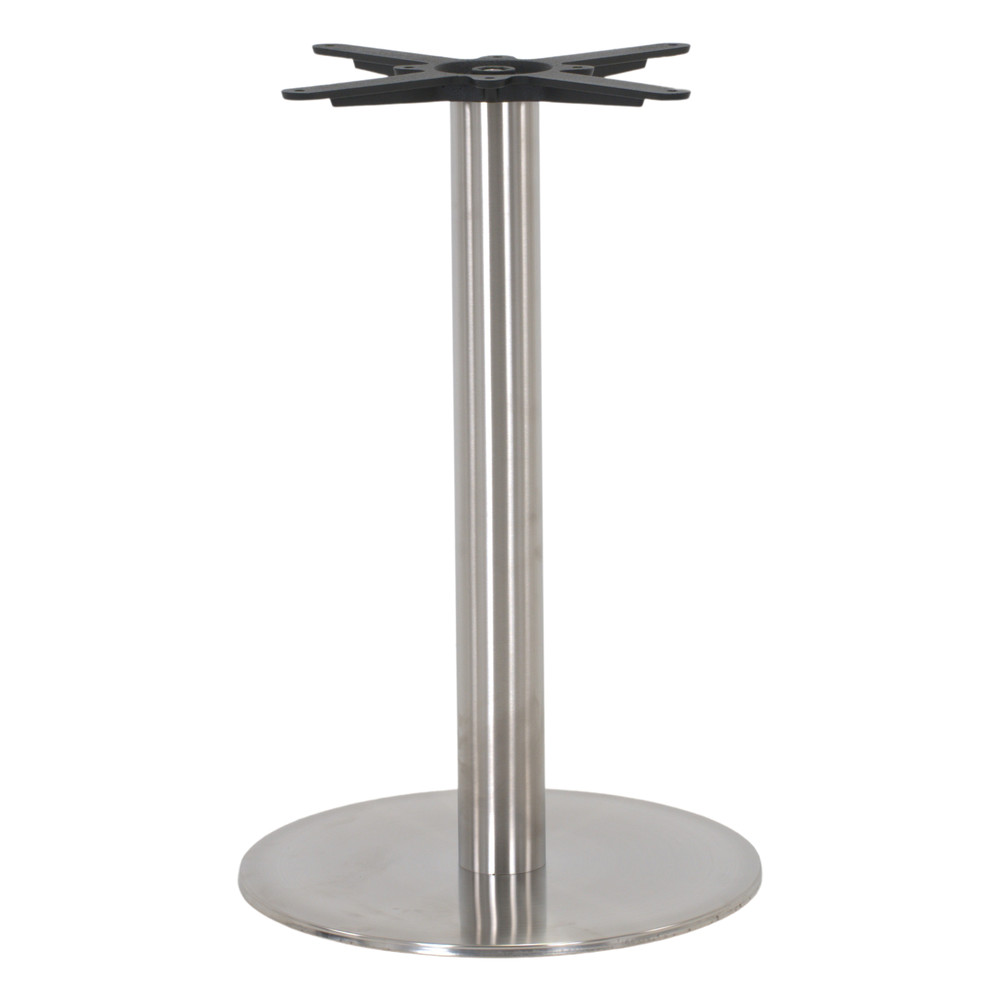
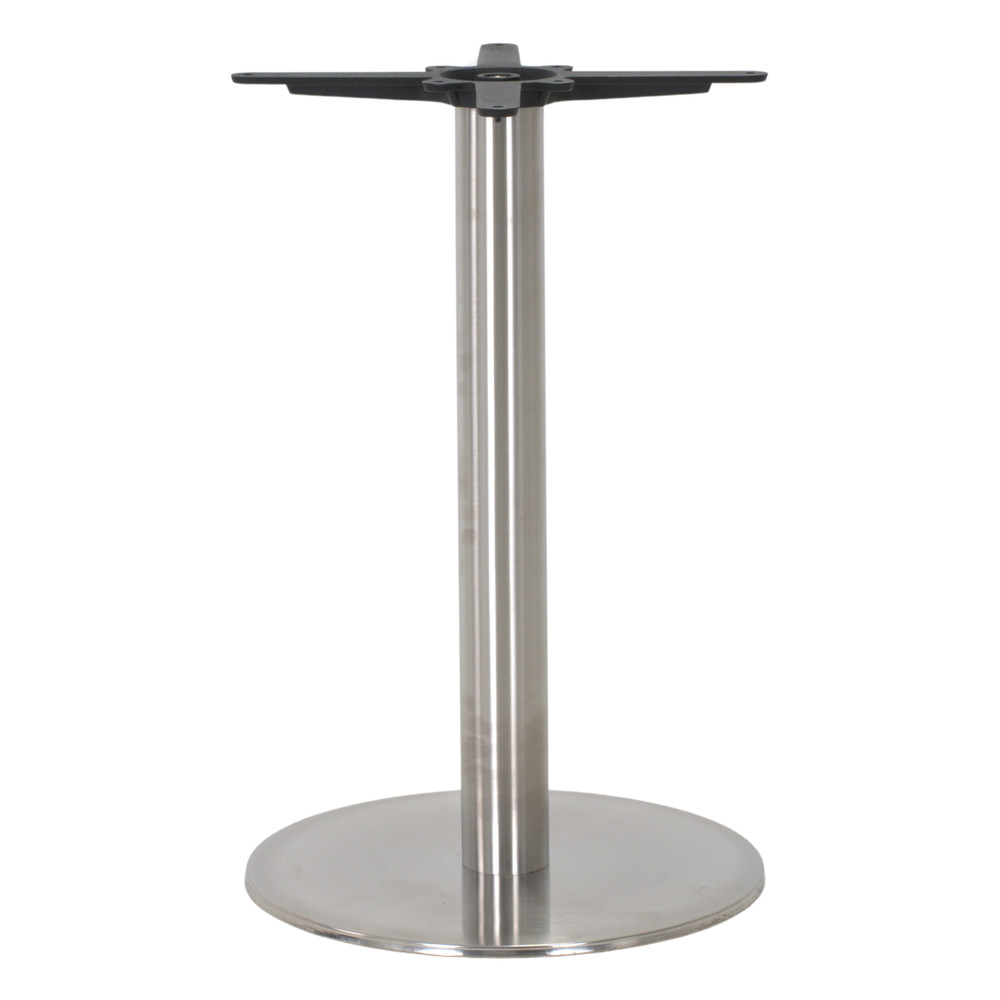
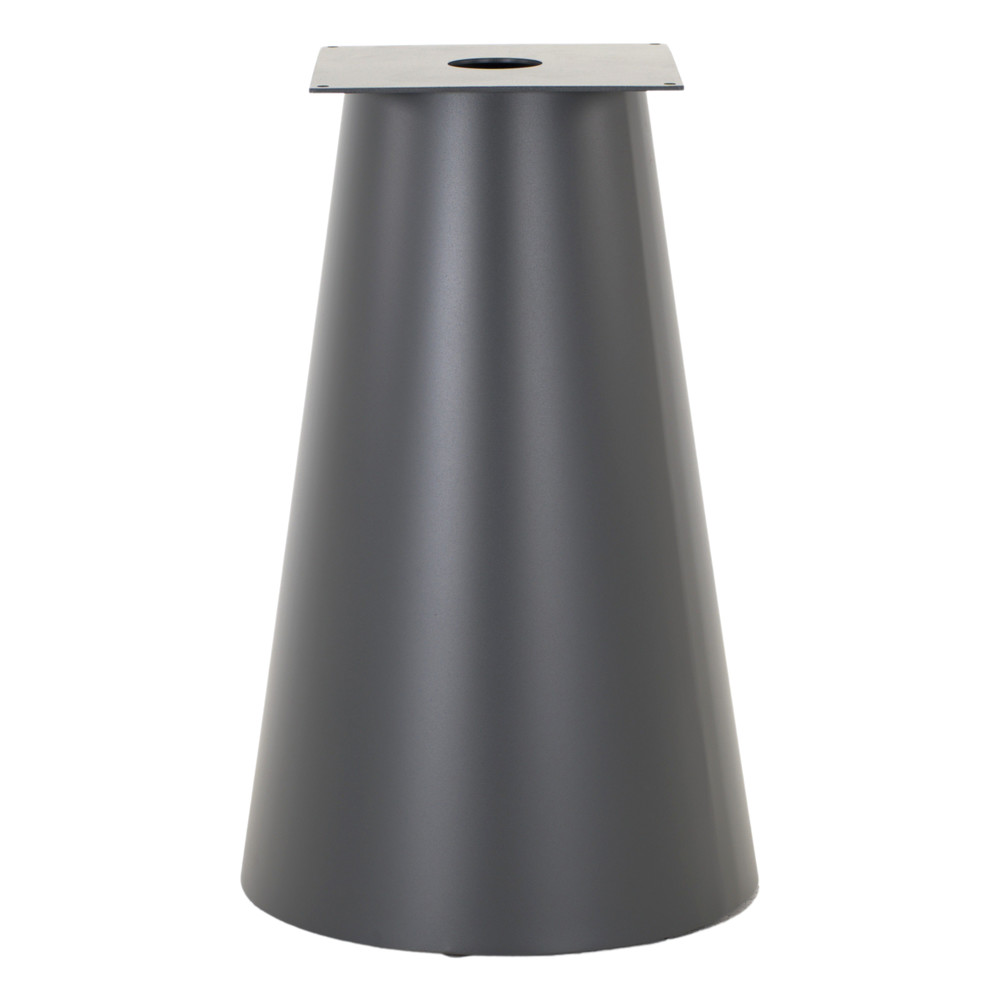
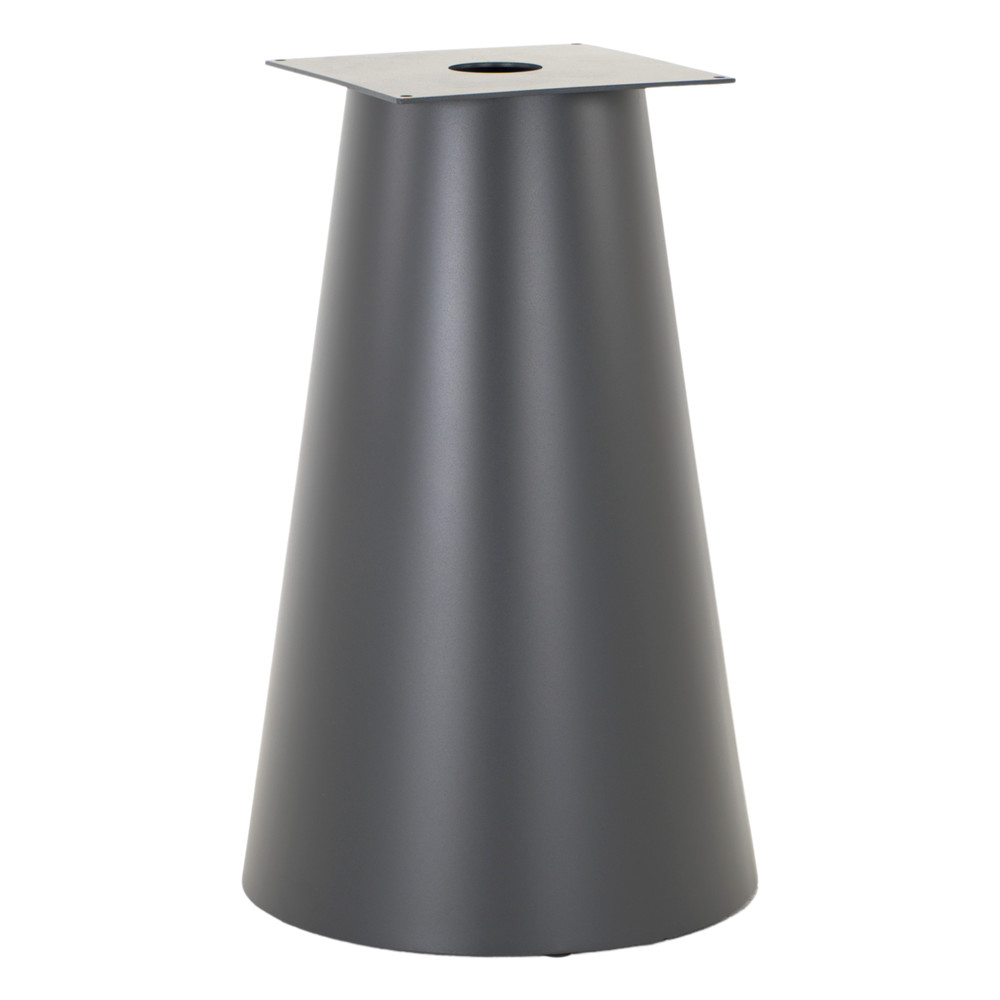
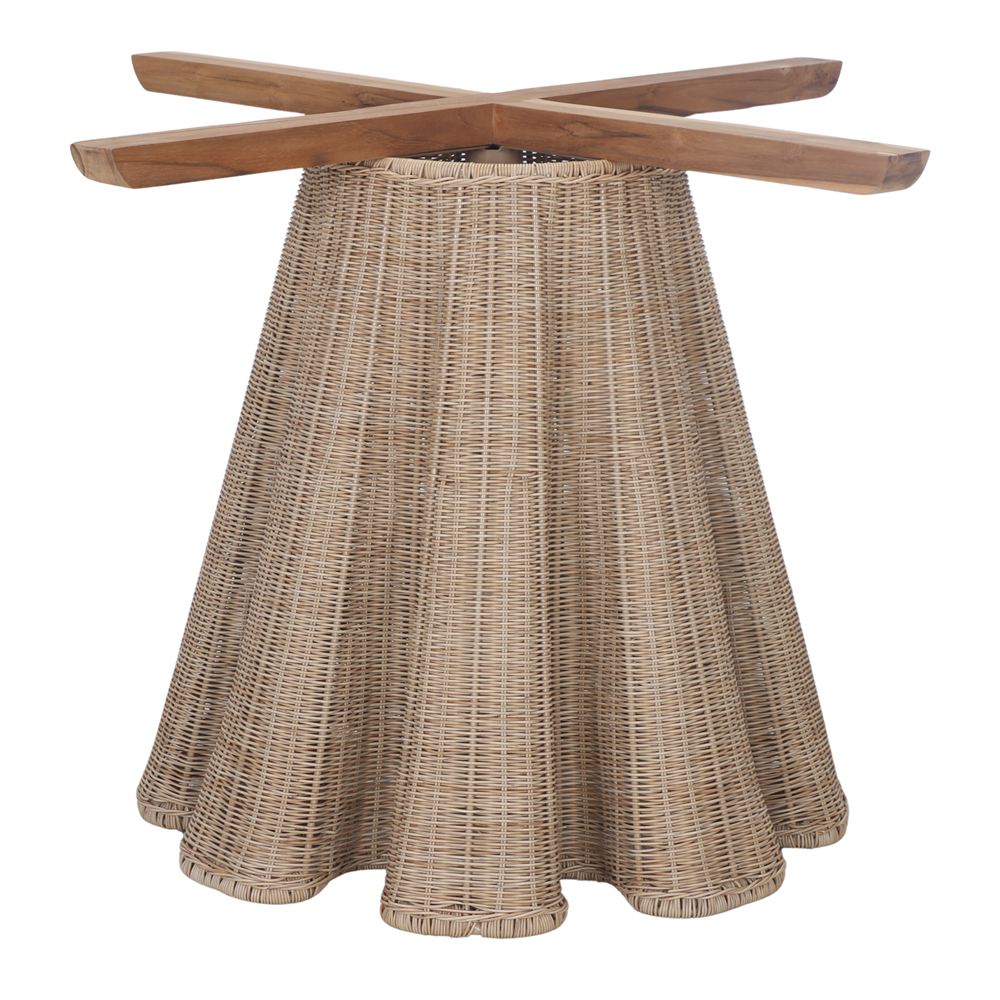

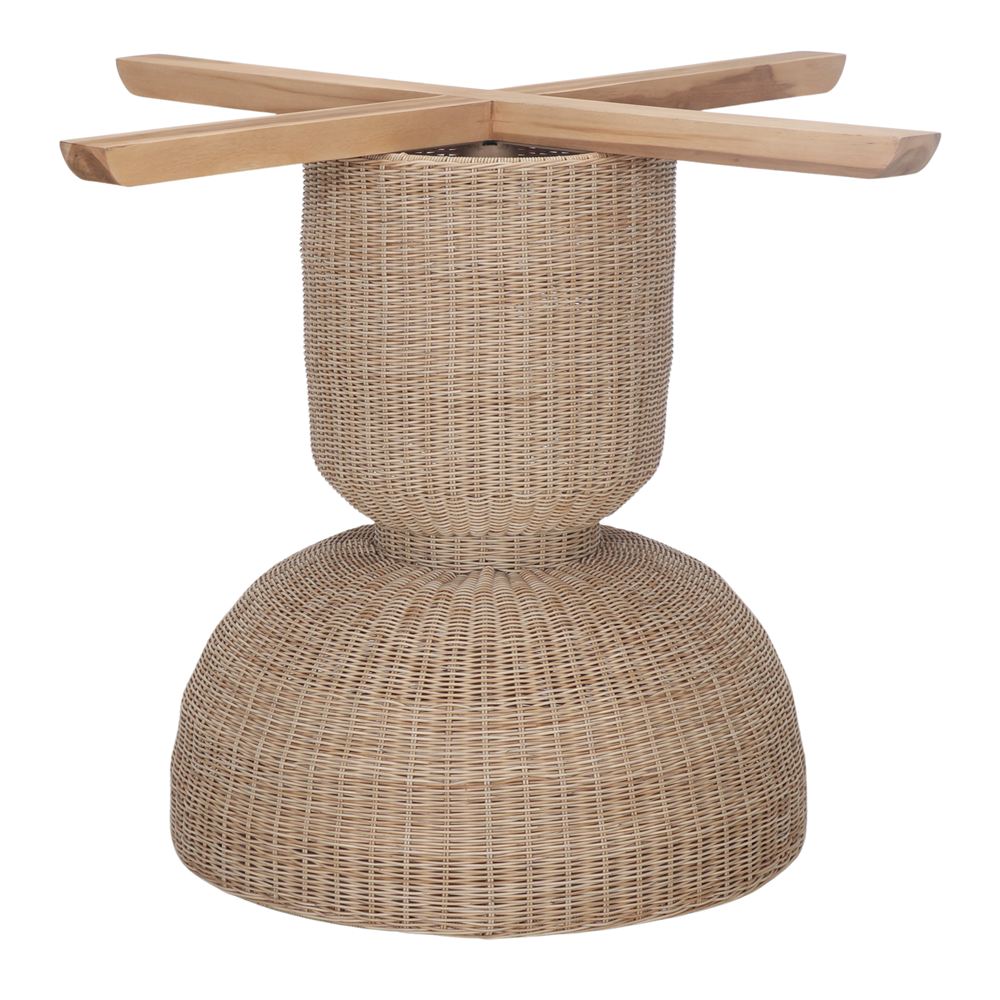
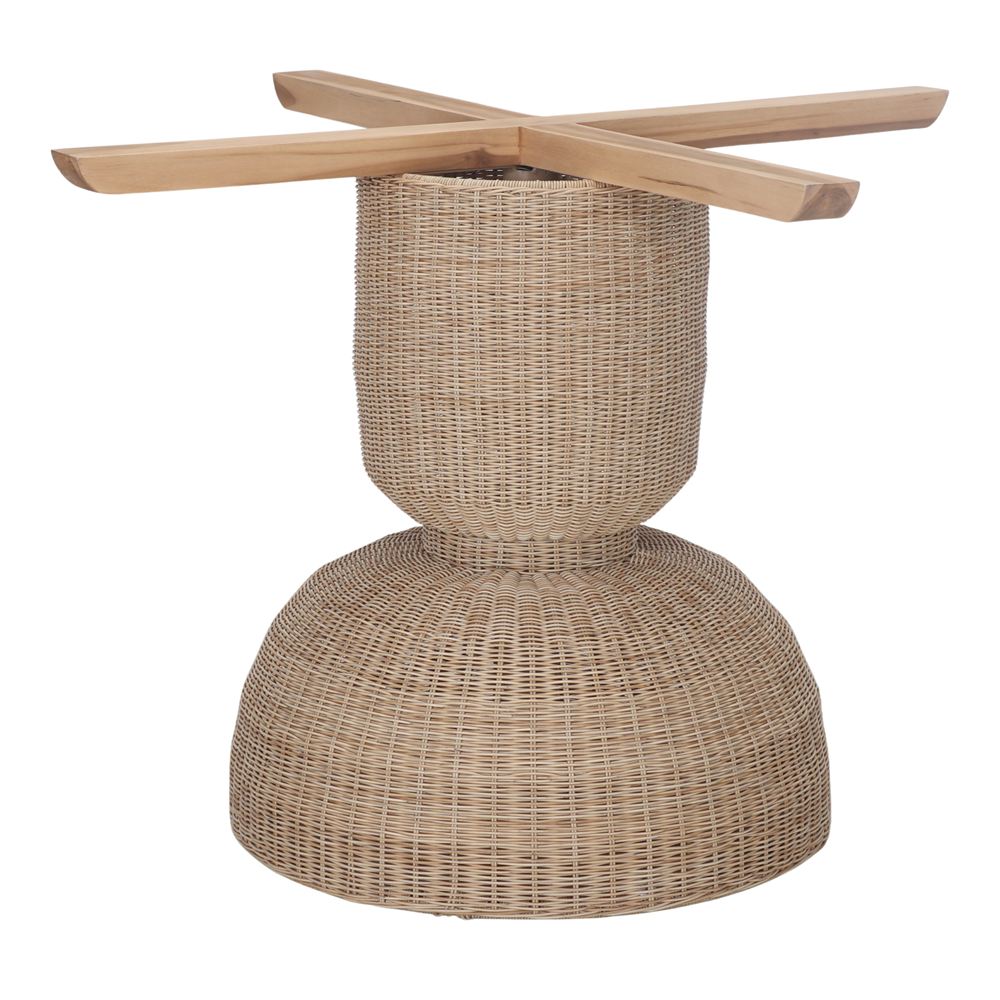
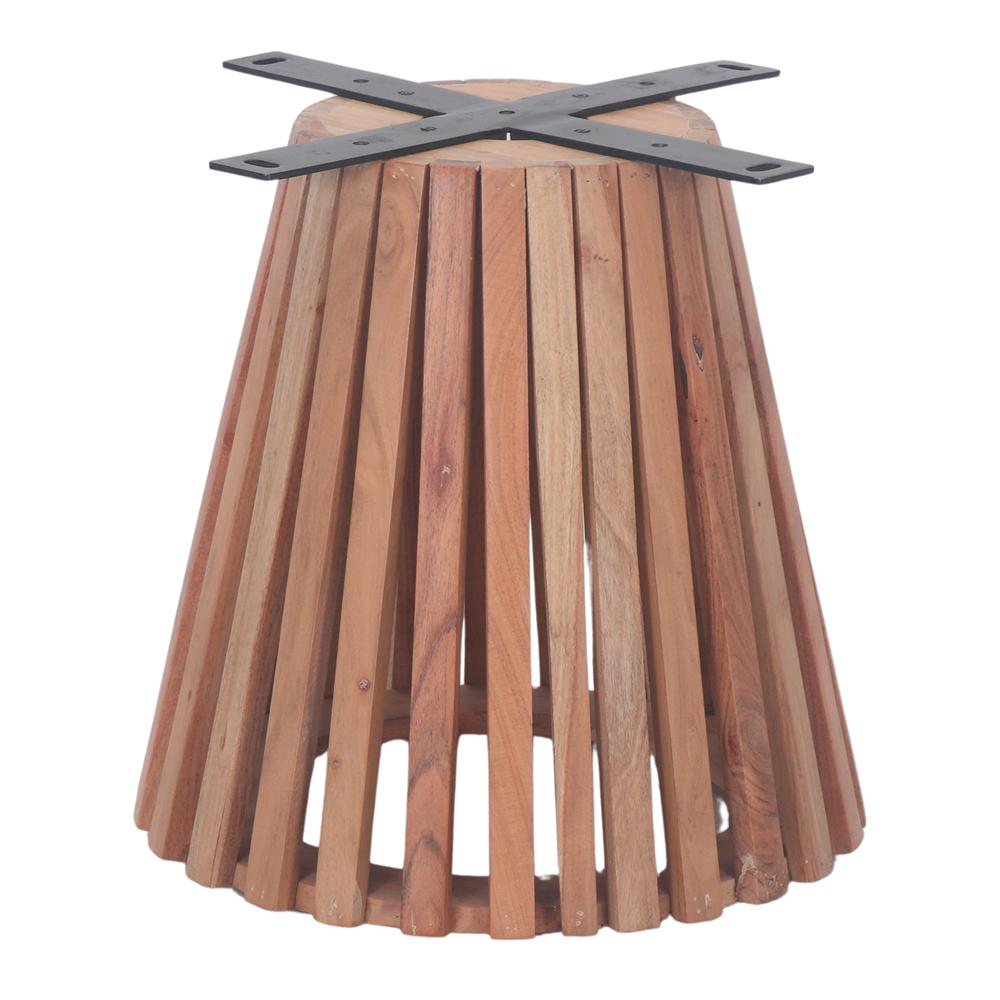
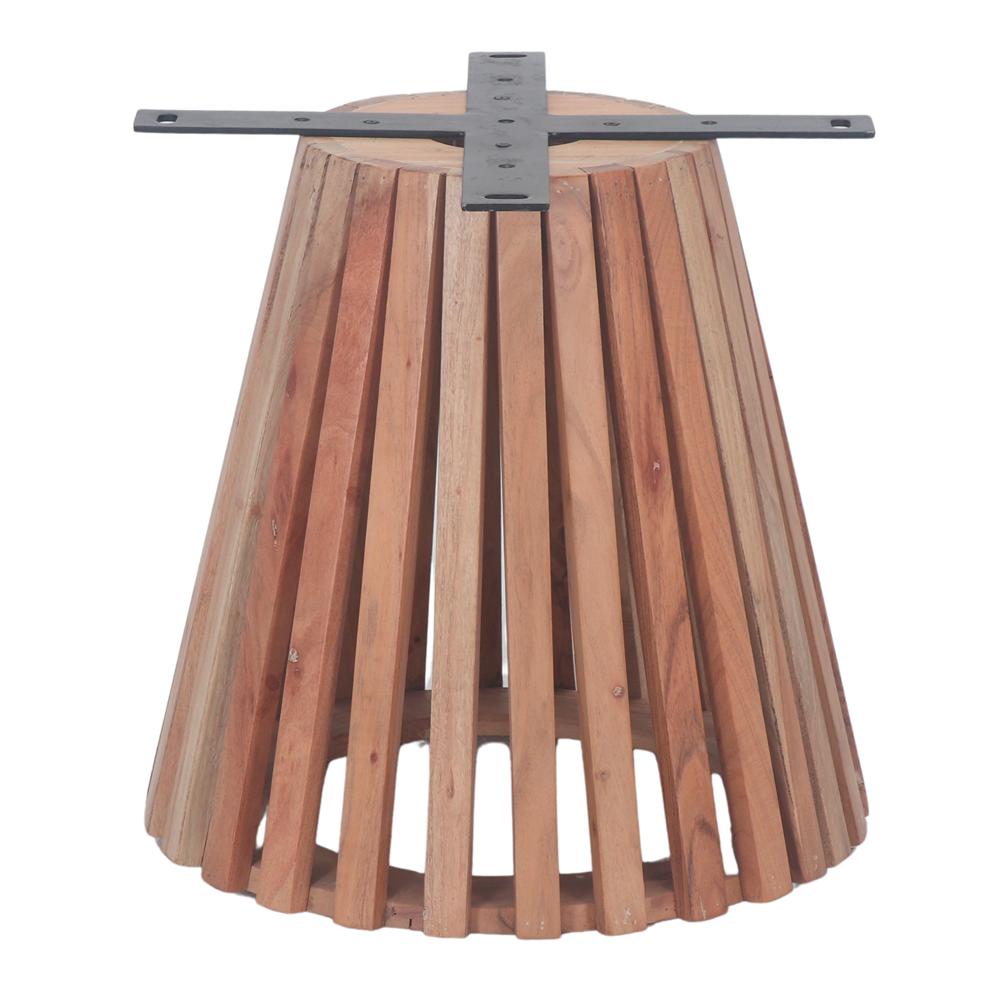
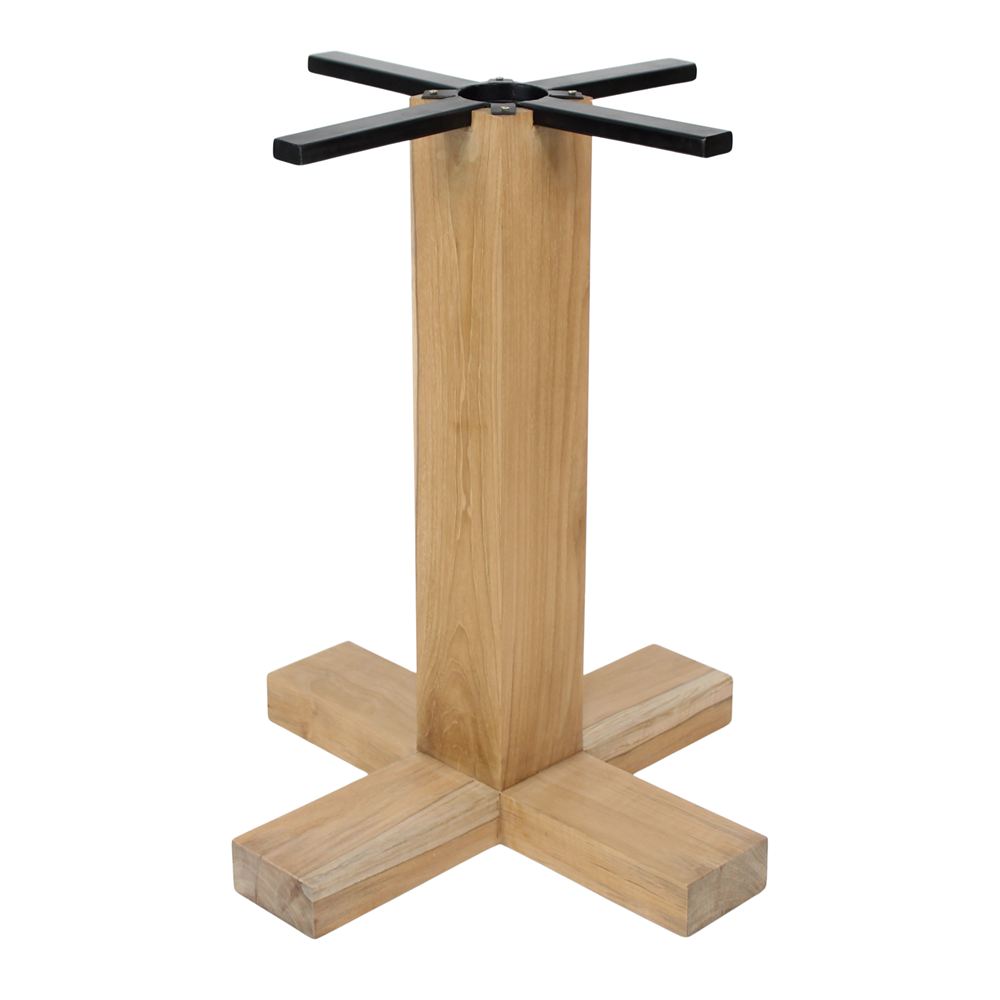
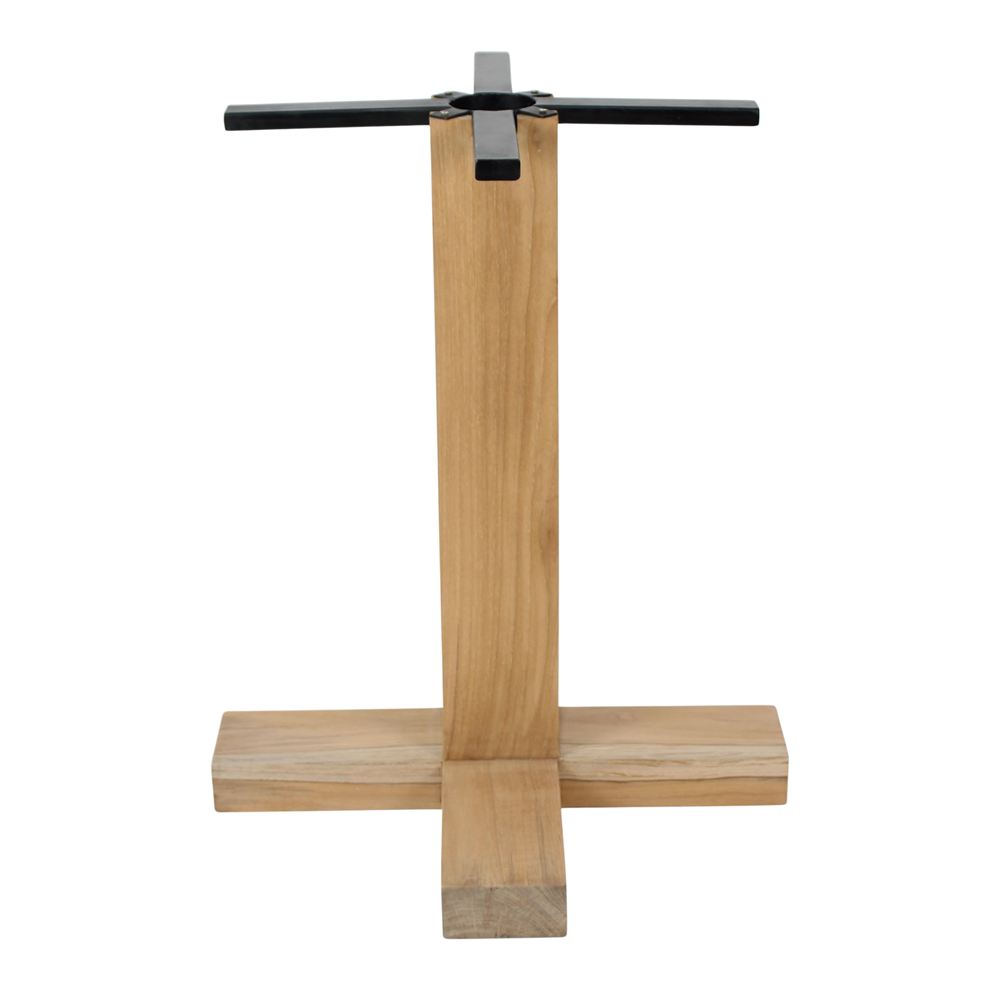
PARIOT TABLE FRAME
Out of stock
✖ Out of stock (made to order or coming soon)
264,99€ (VAT included)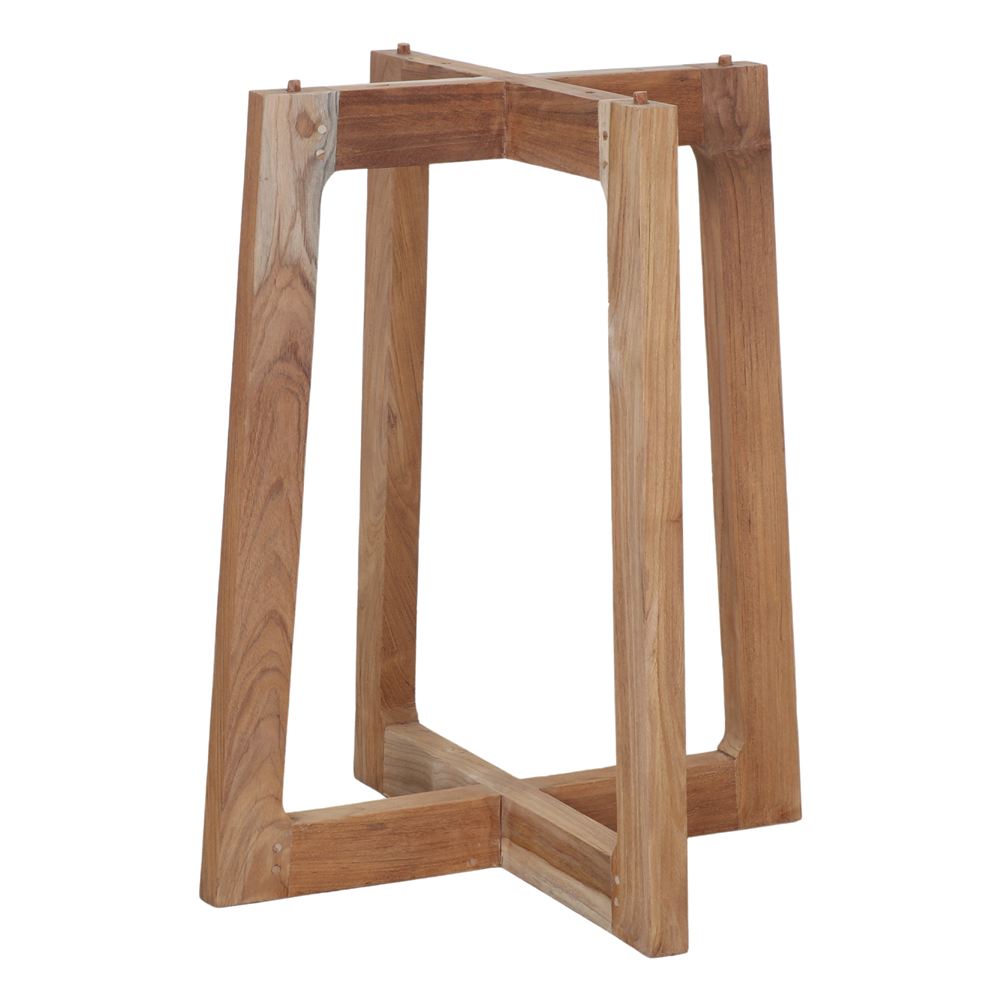
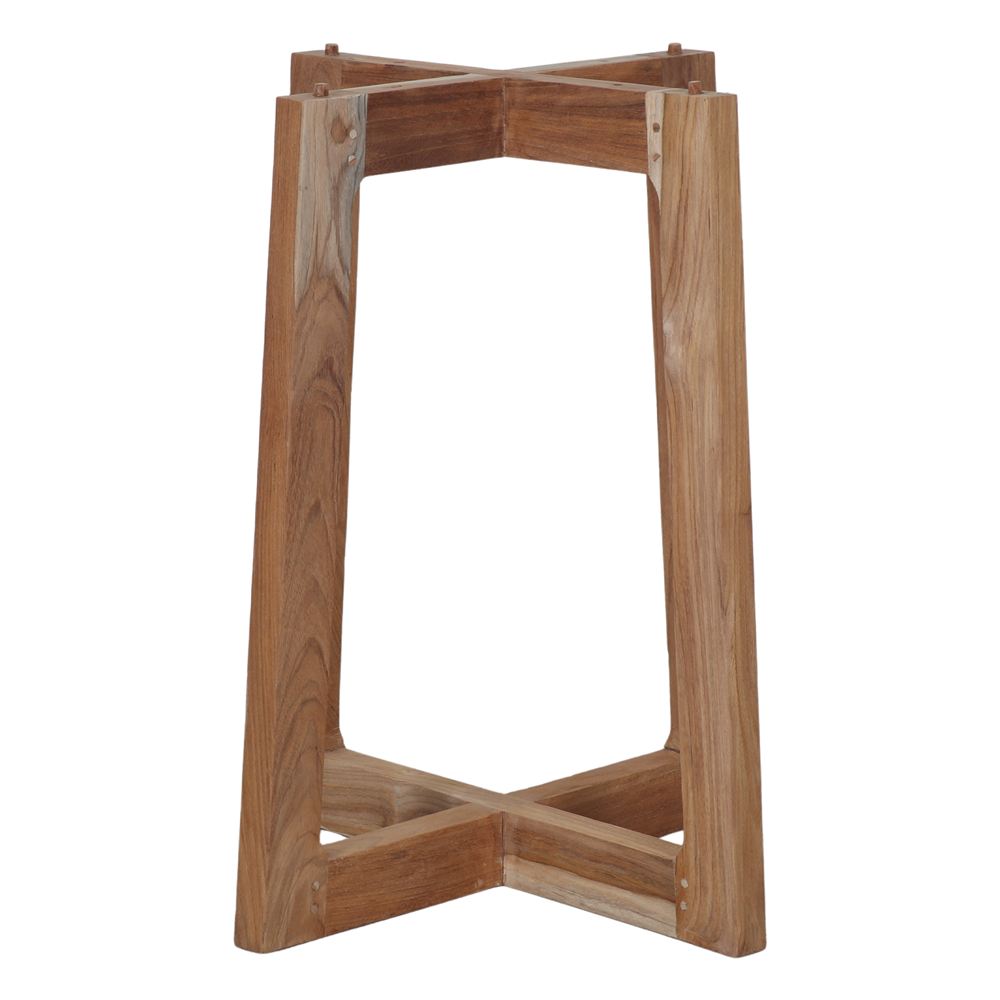
ZAGO LOW TABLE FRAME
Out of stock
✖ Out of stock (made to order or coming soon)
168,19€ (VAT included)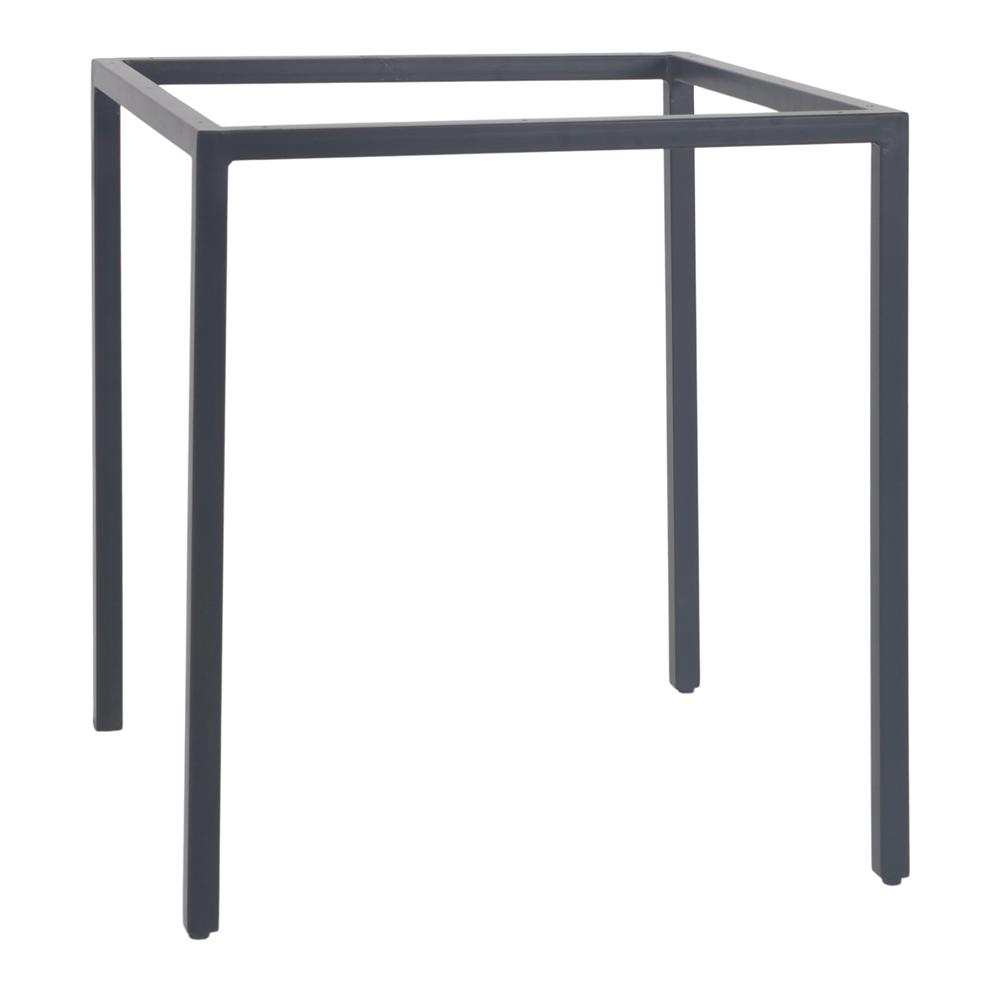
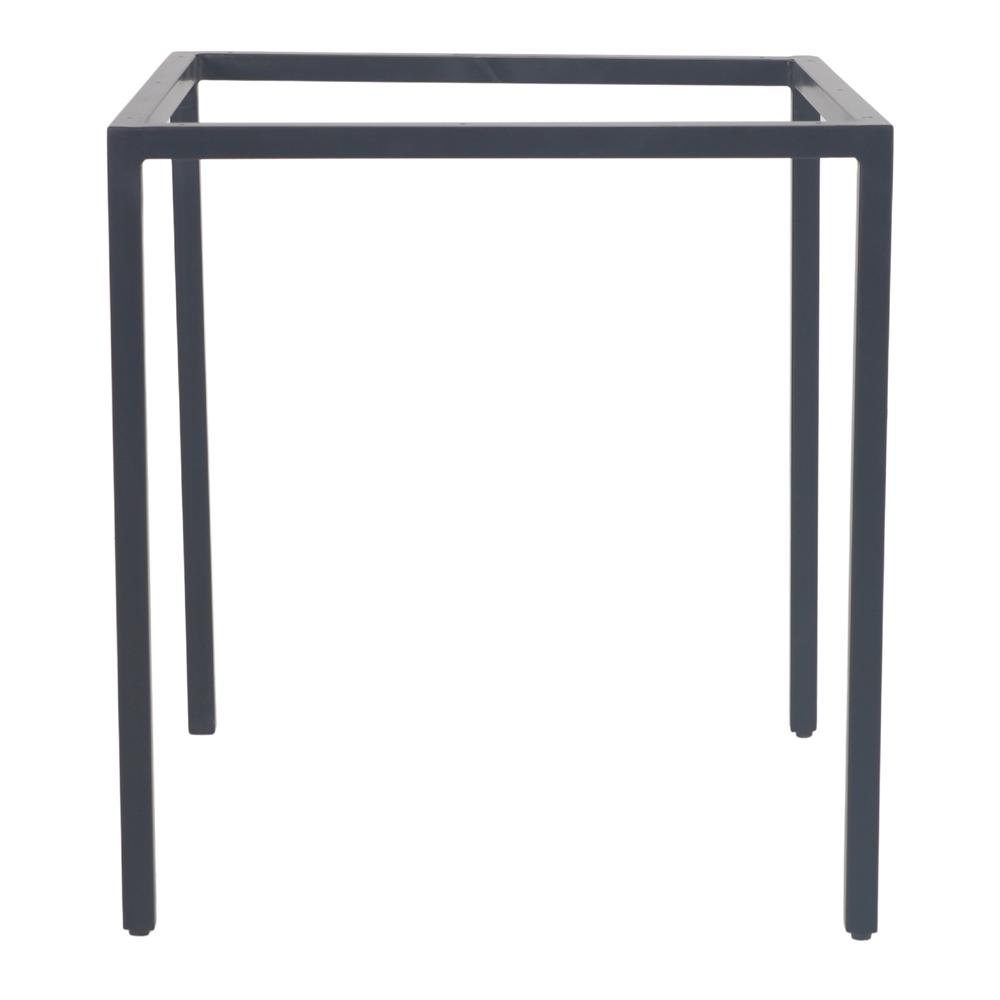
ALAMO METAL TABLE FRAME
Out of stock
✔ In stock: 15 units
96,80€ 124,63€Price range: NO DISCOUNT APPLIED (excluding VAT) 96,80€ through 124,63€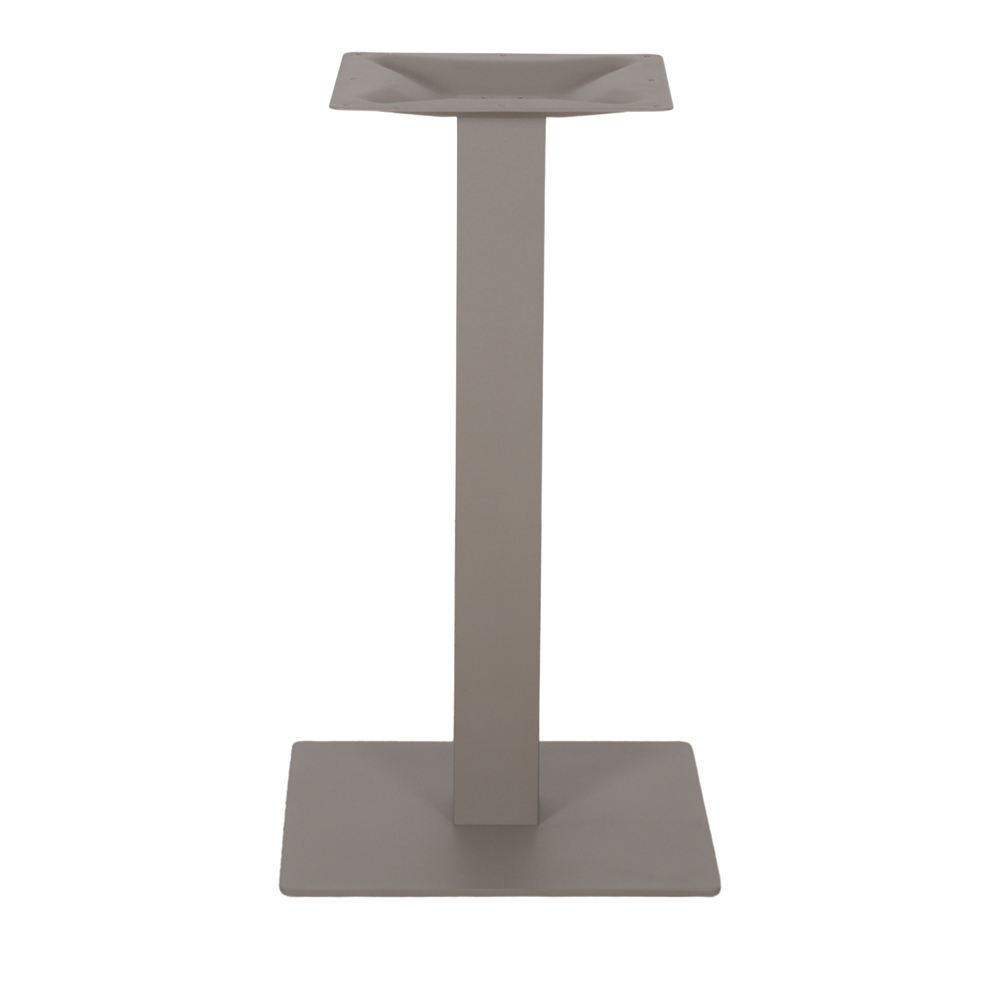
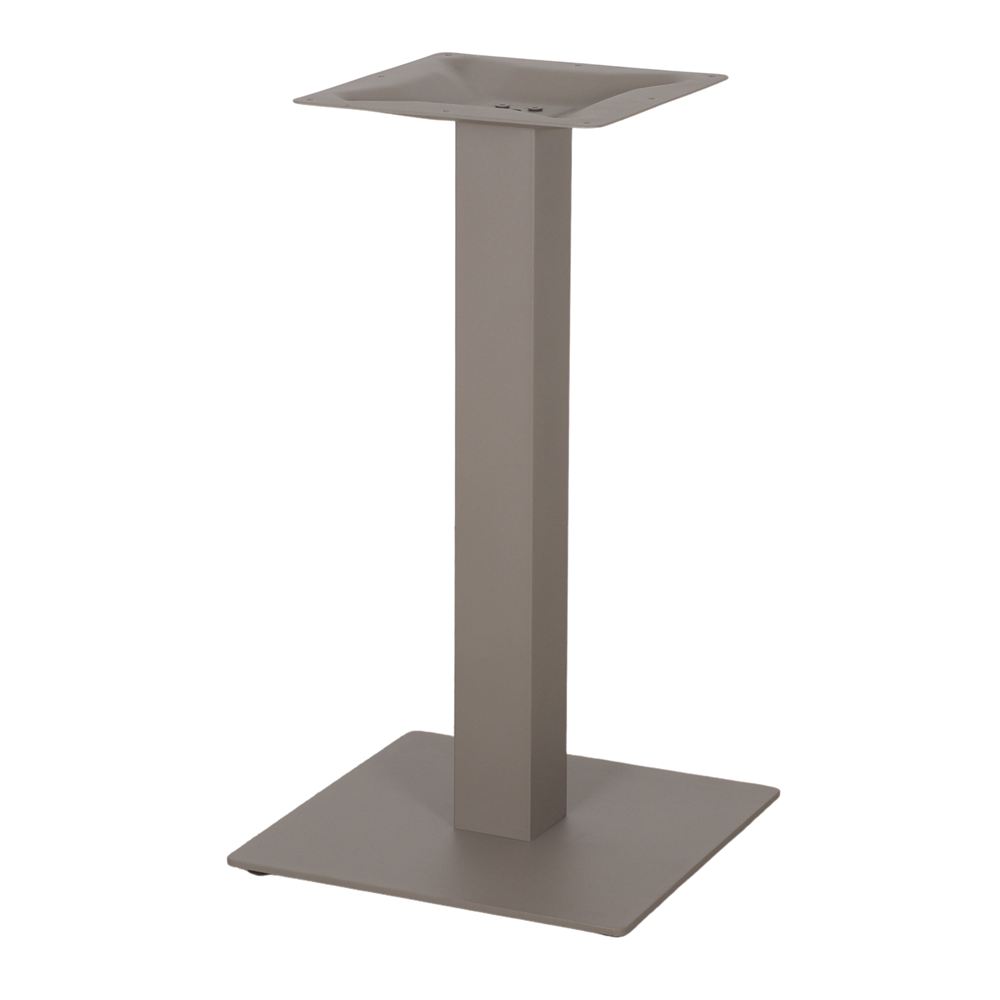
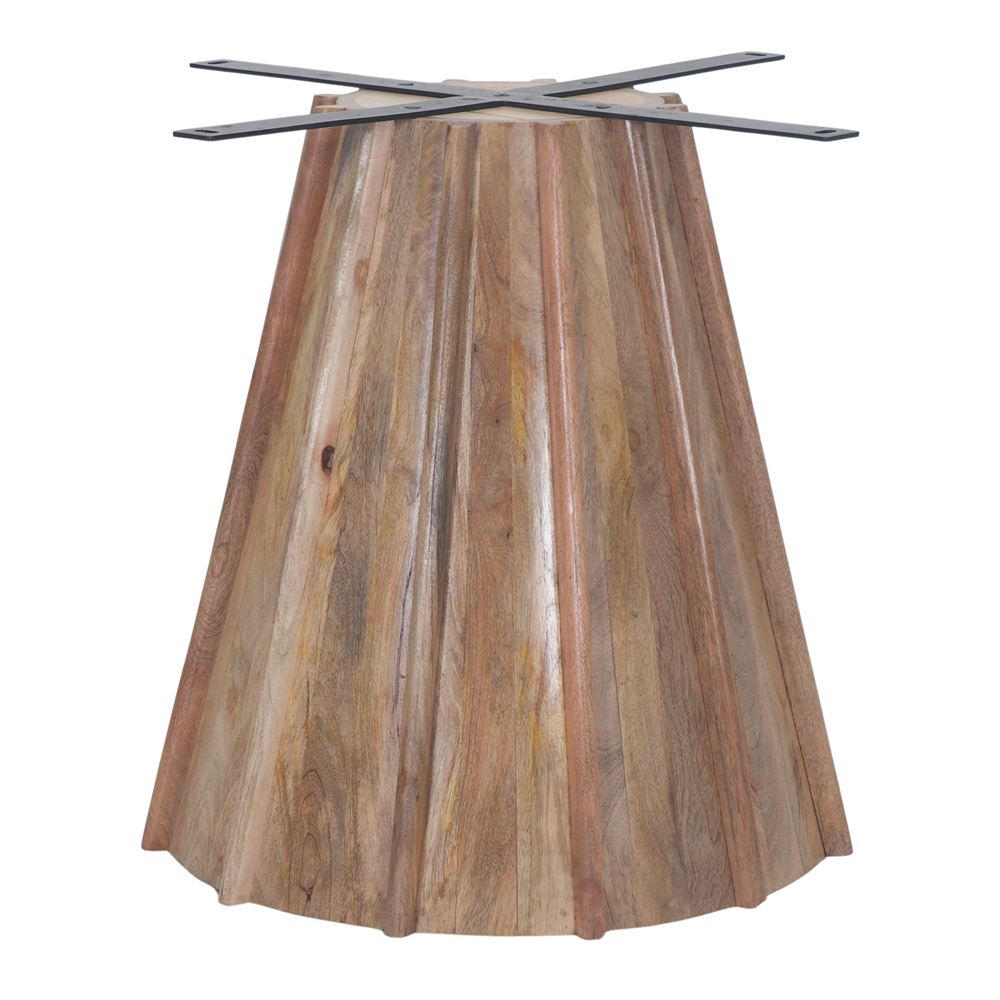
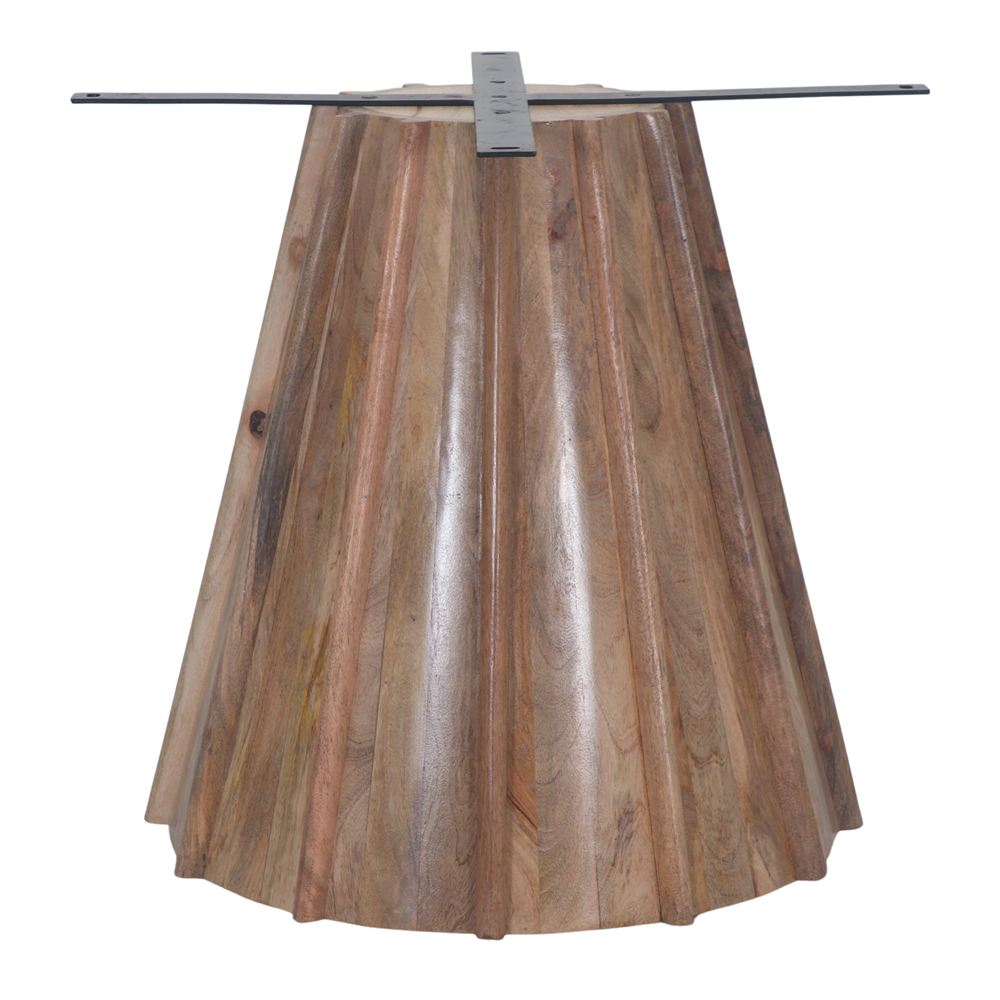
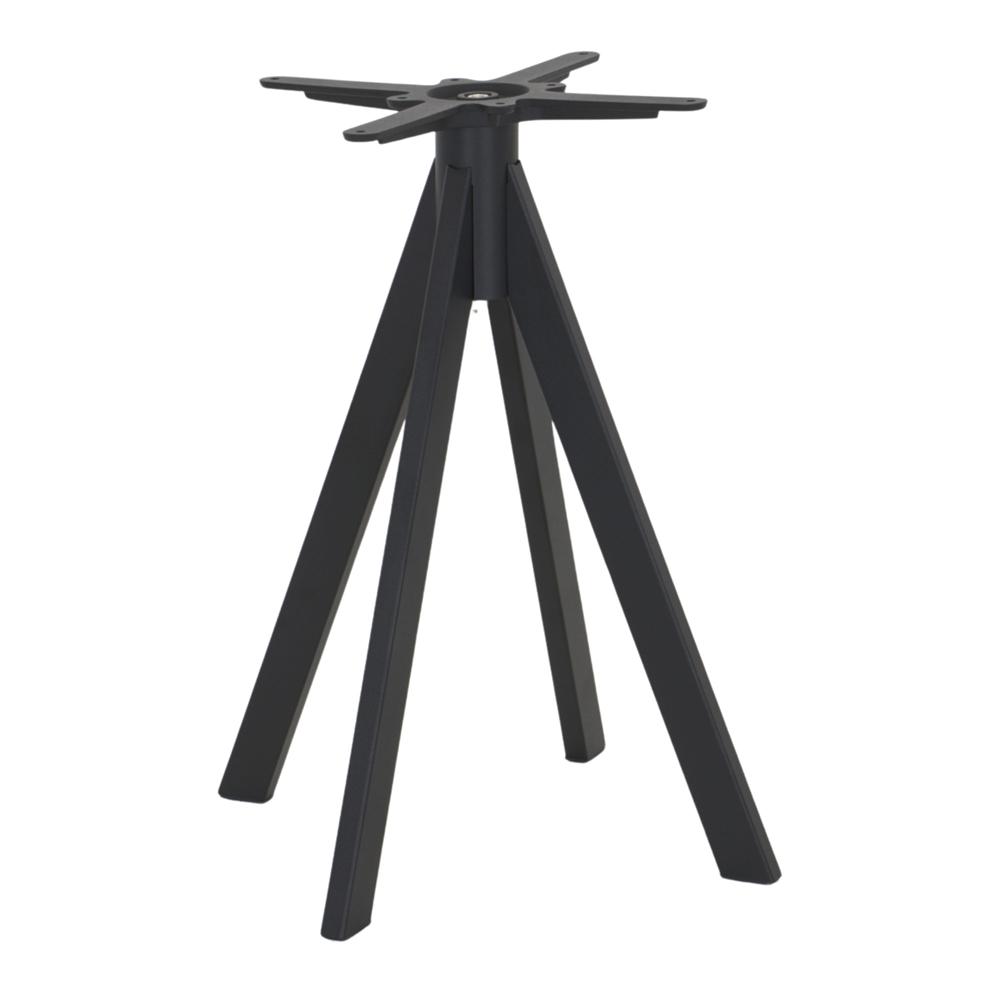
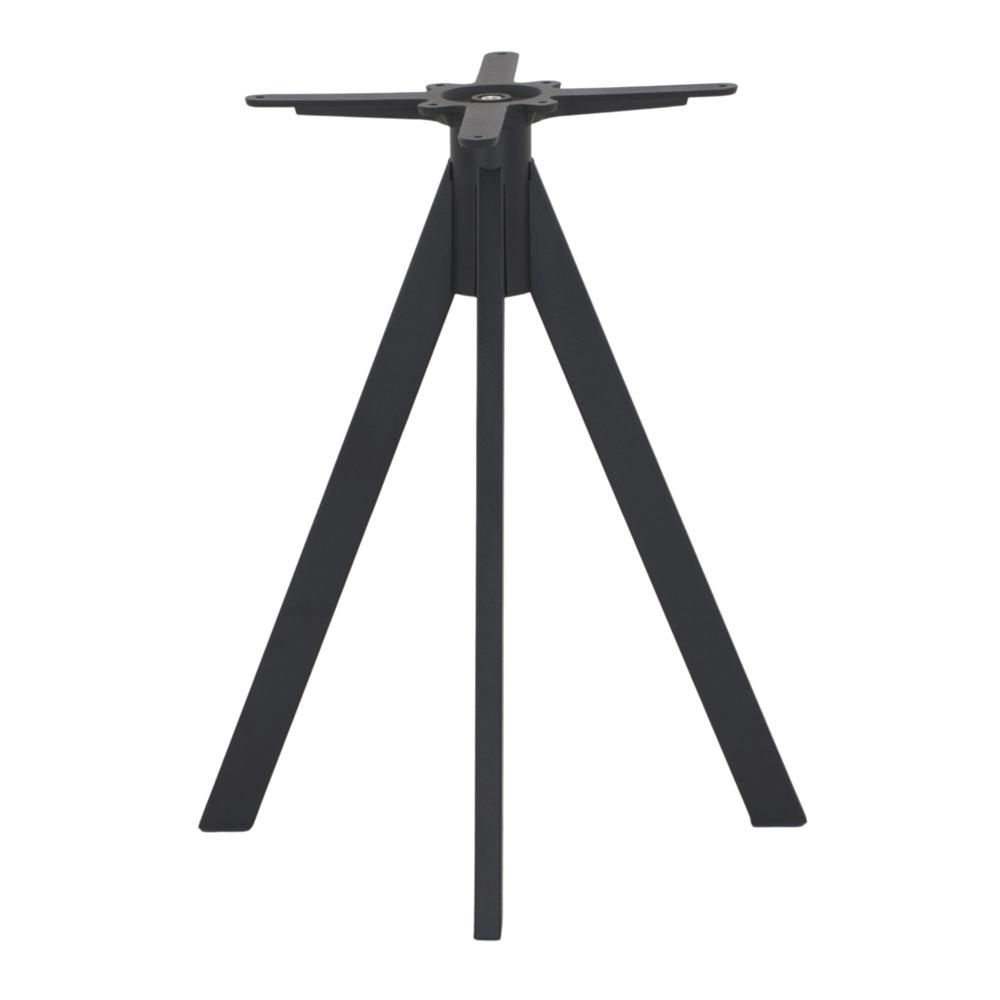
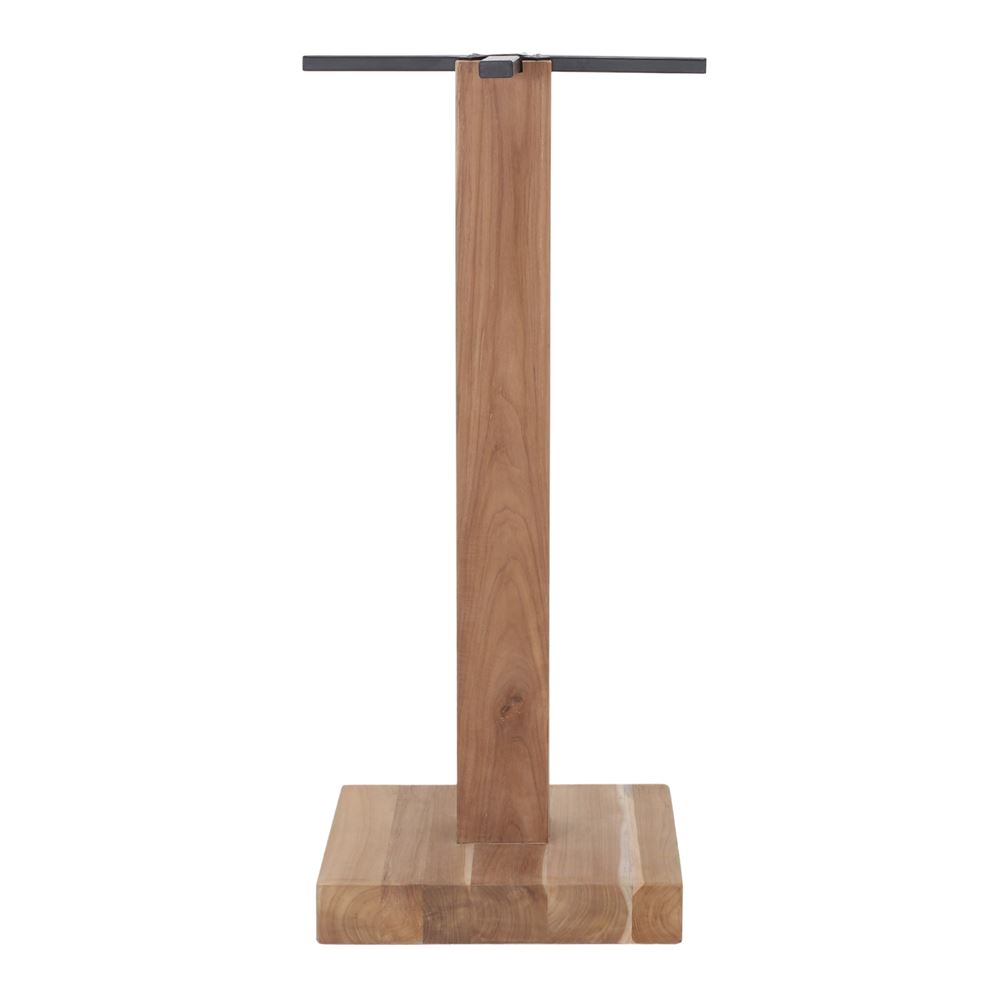
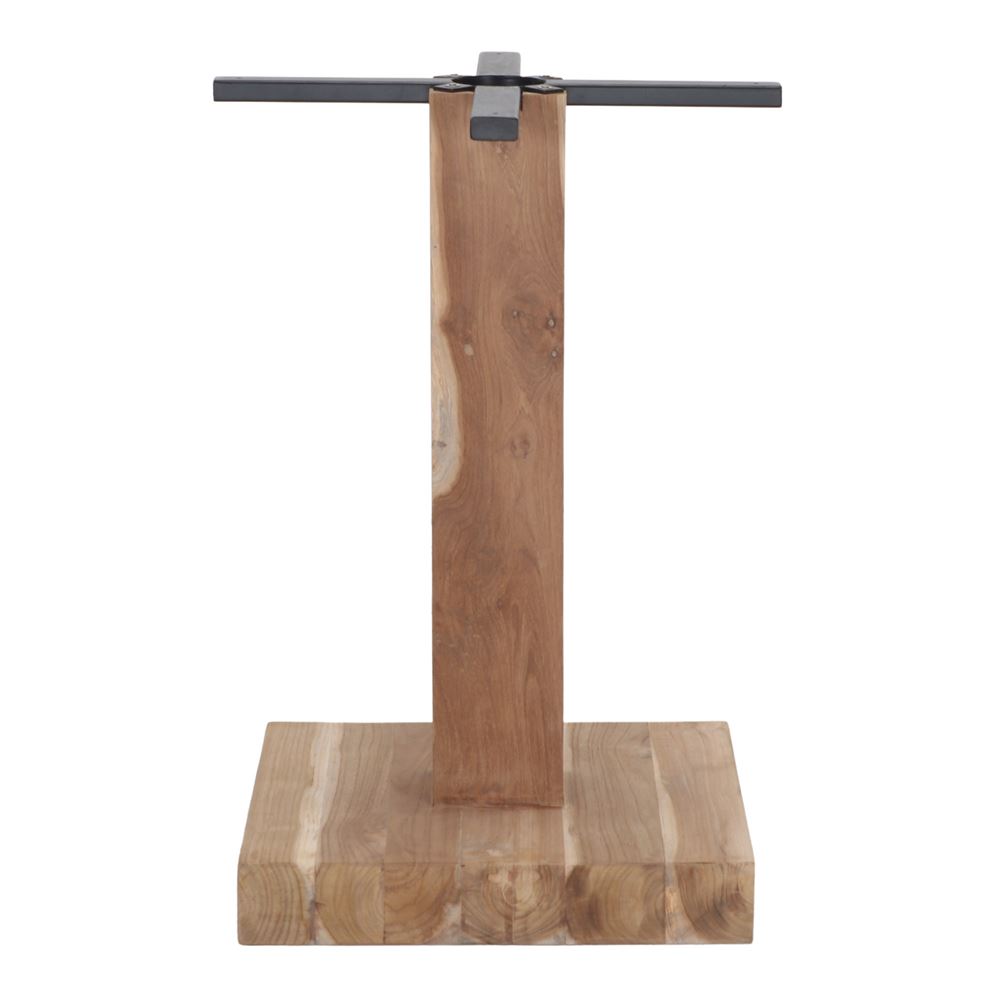
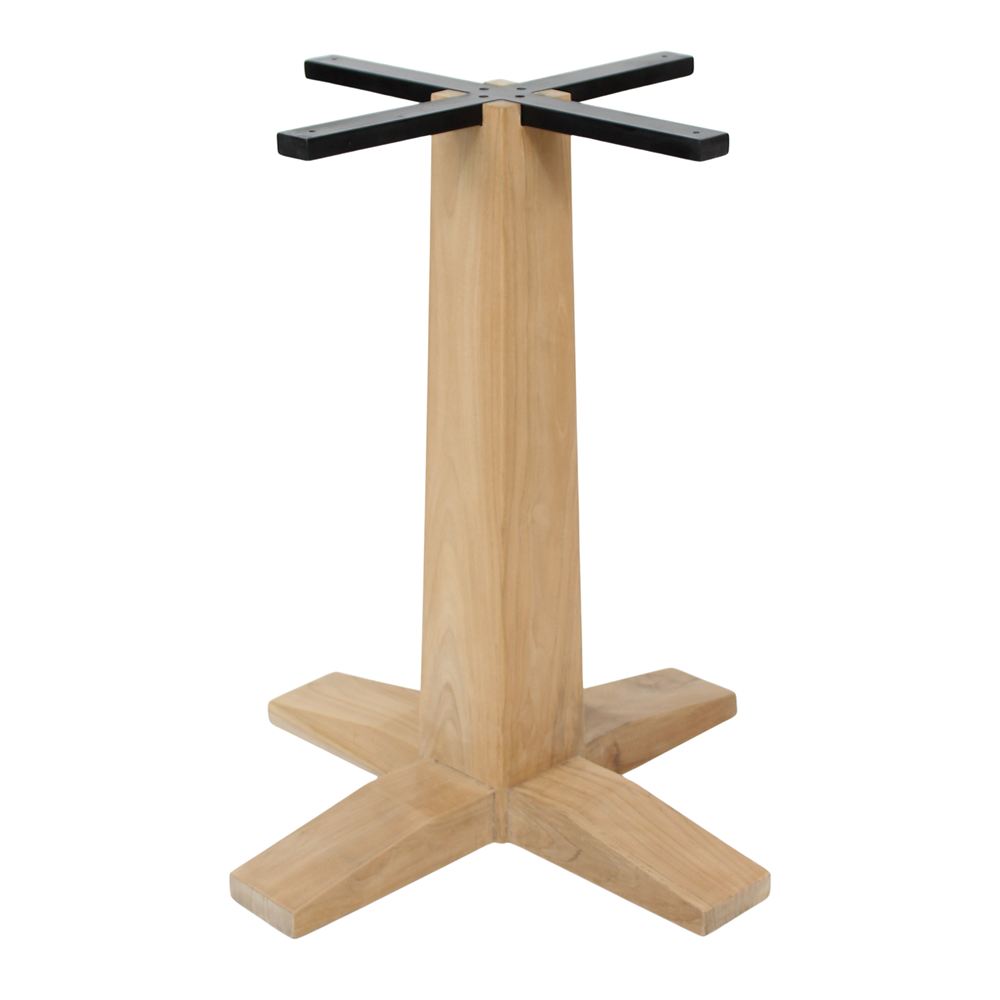
CLEDAN TABLE FRAME
In stock
✔ In stock: 7 units
264,99€ 301,29€Price range: NO DISCOUNT APPLIED (excluding VAT) 264,99€ through 301,29€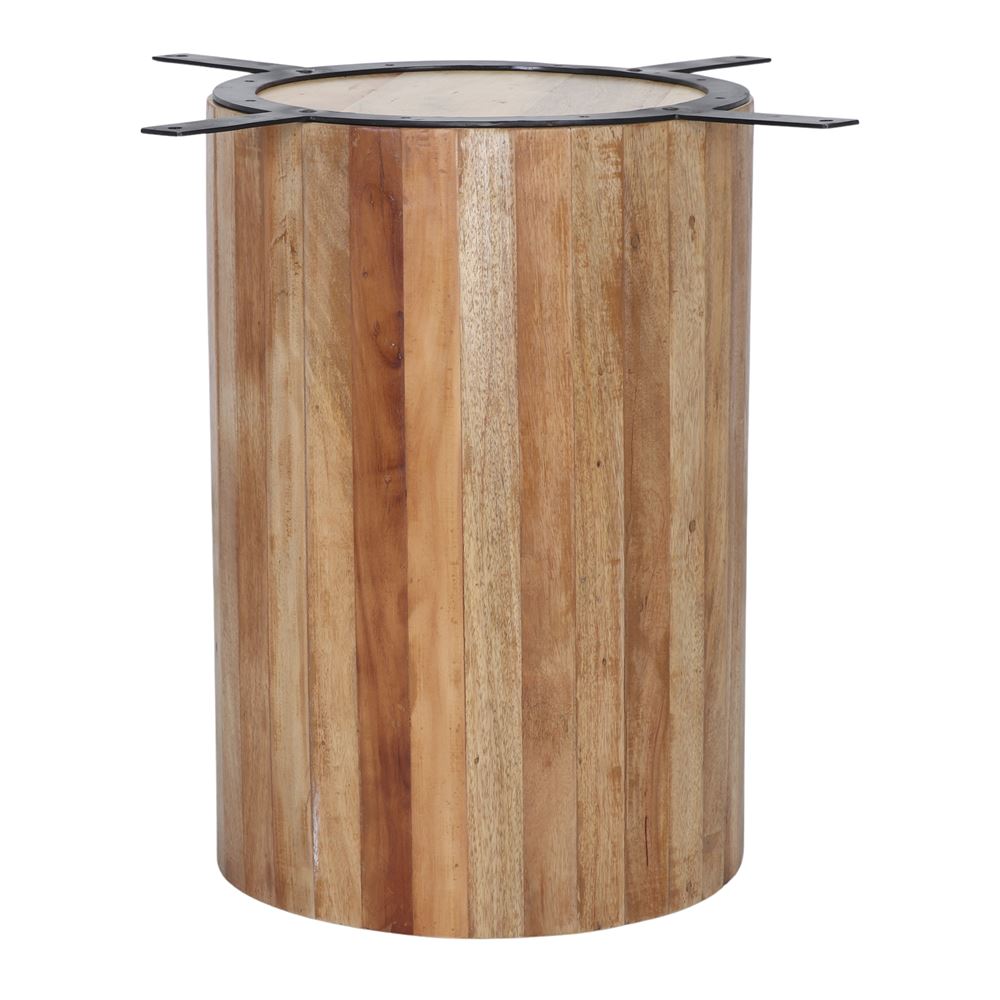
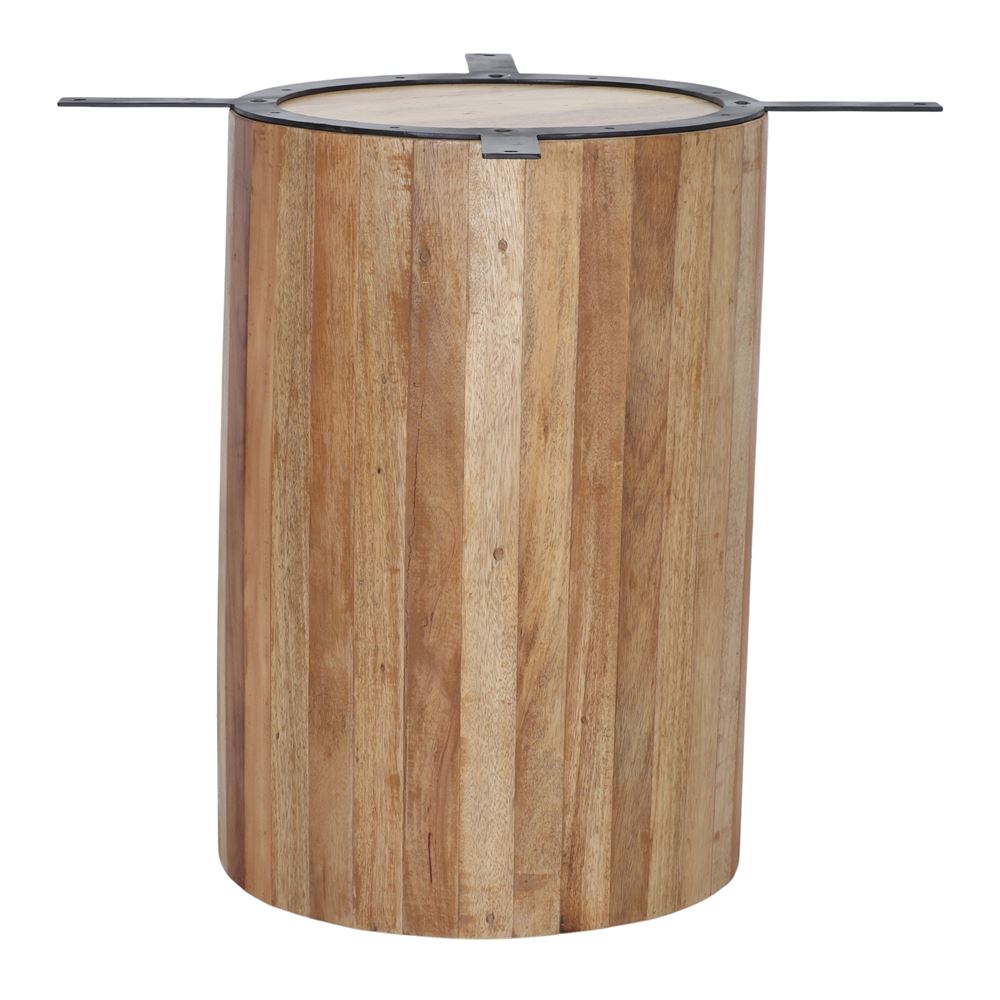


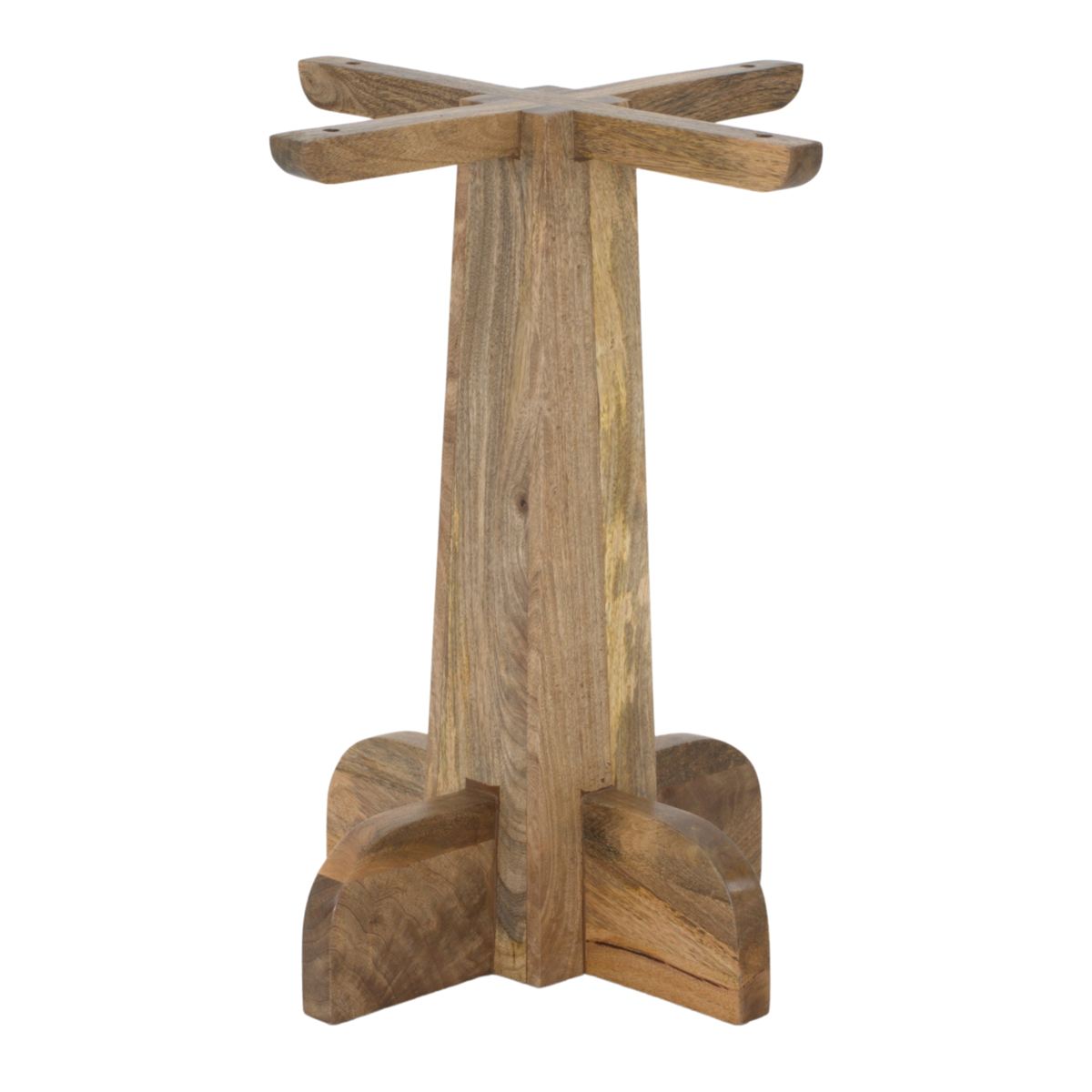
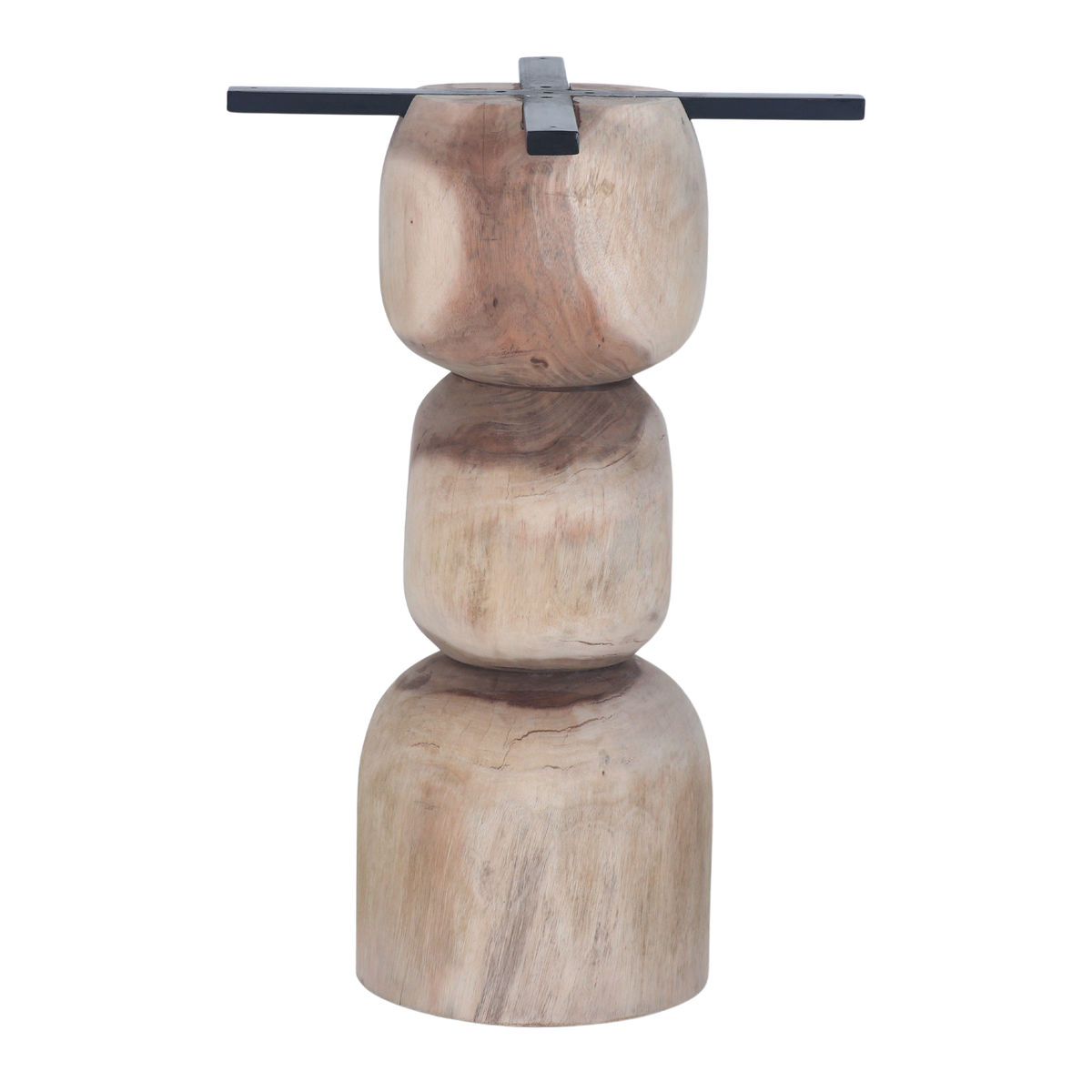
HONEY WOODEN TABLE FRAME
Out of stock
✖ Out of stock (made to order or coming soon)
271,04€ (VAT included)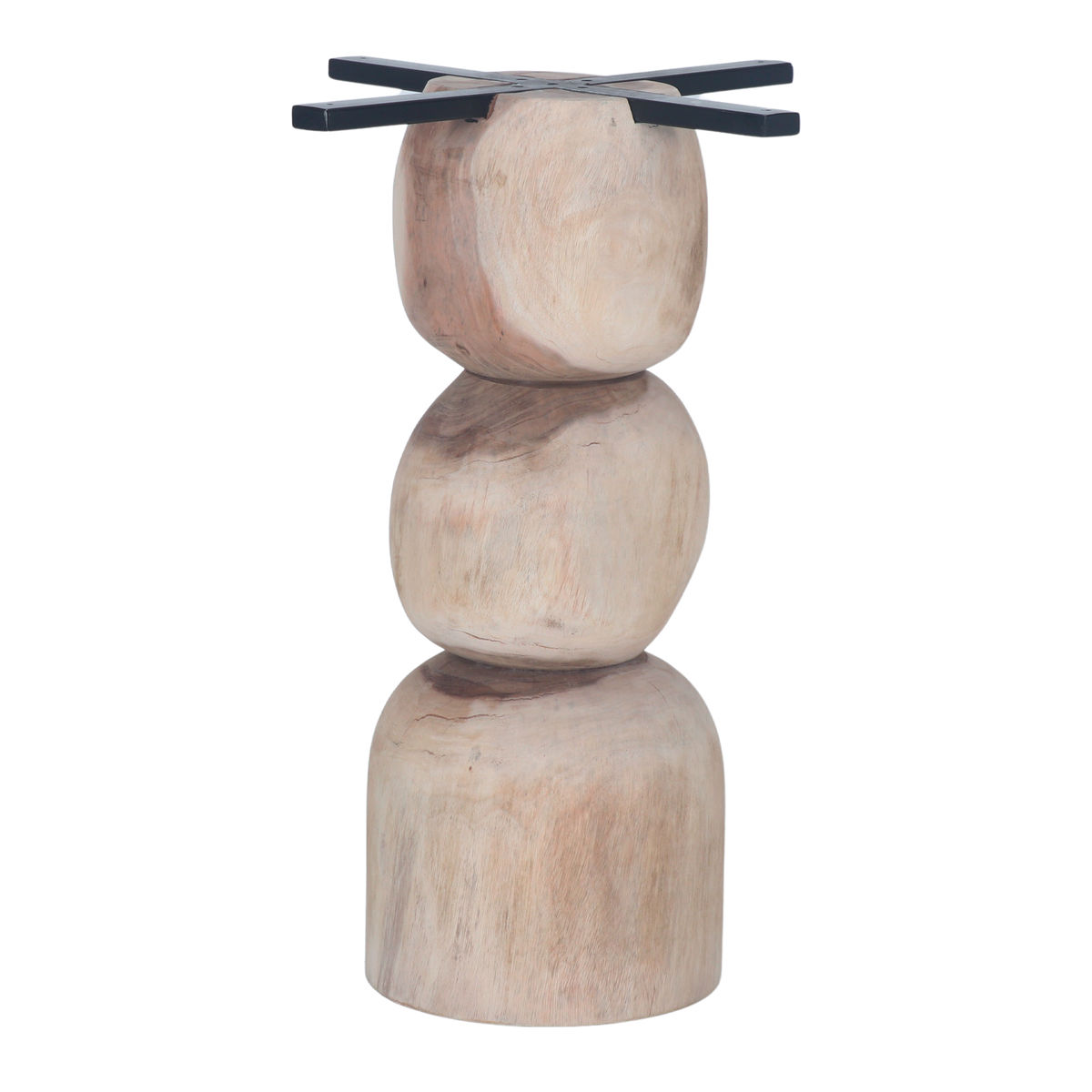
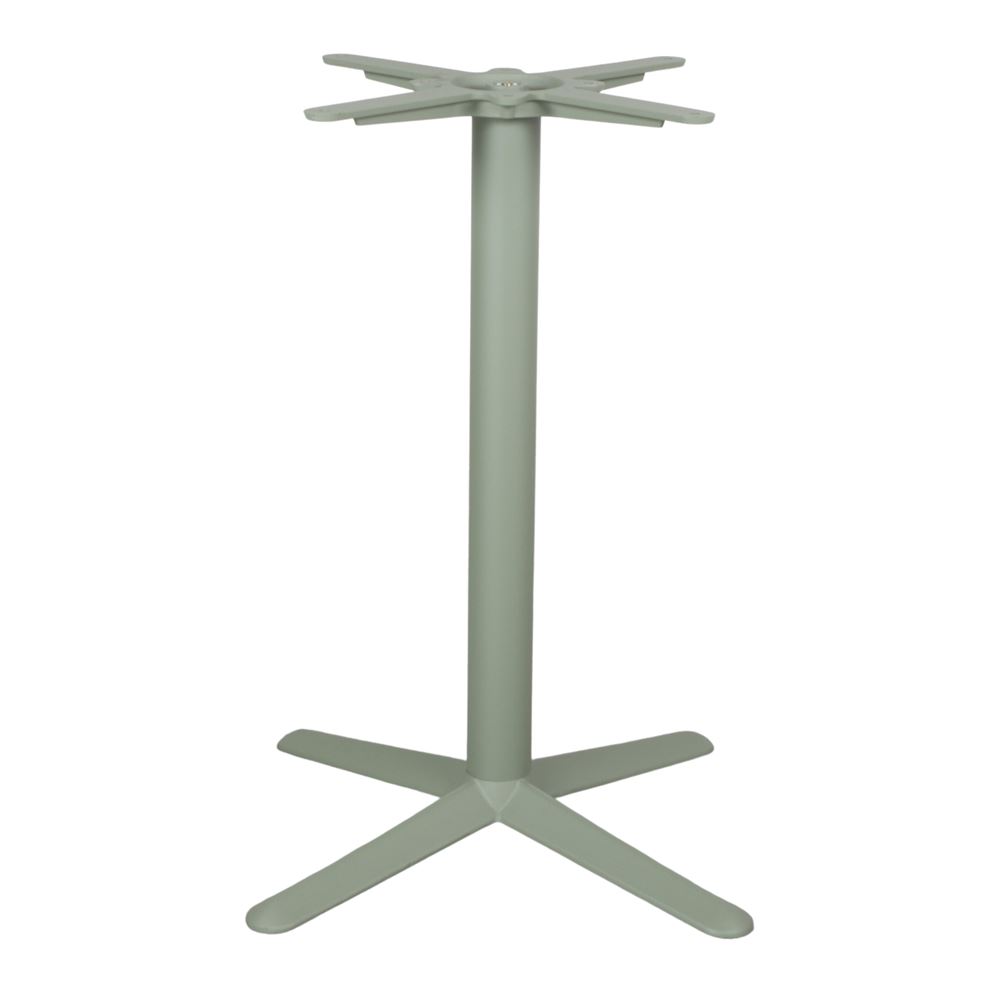
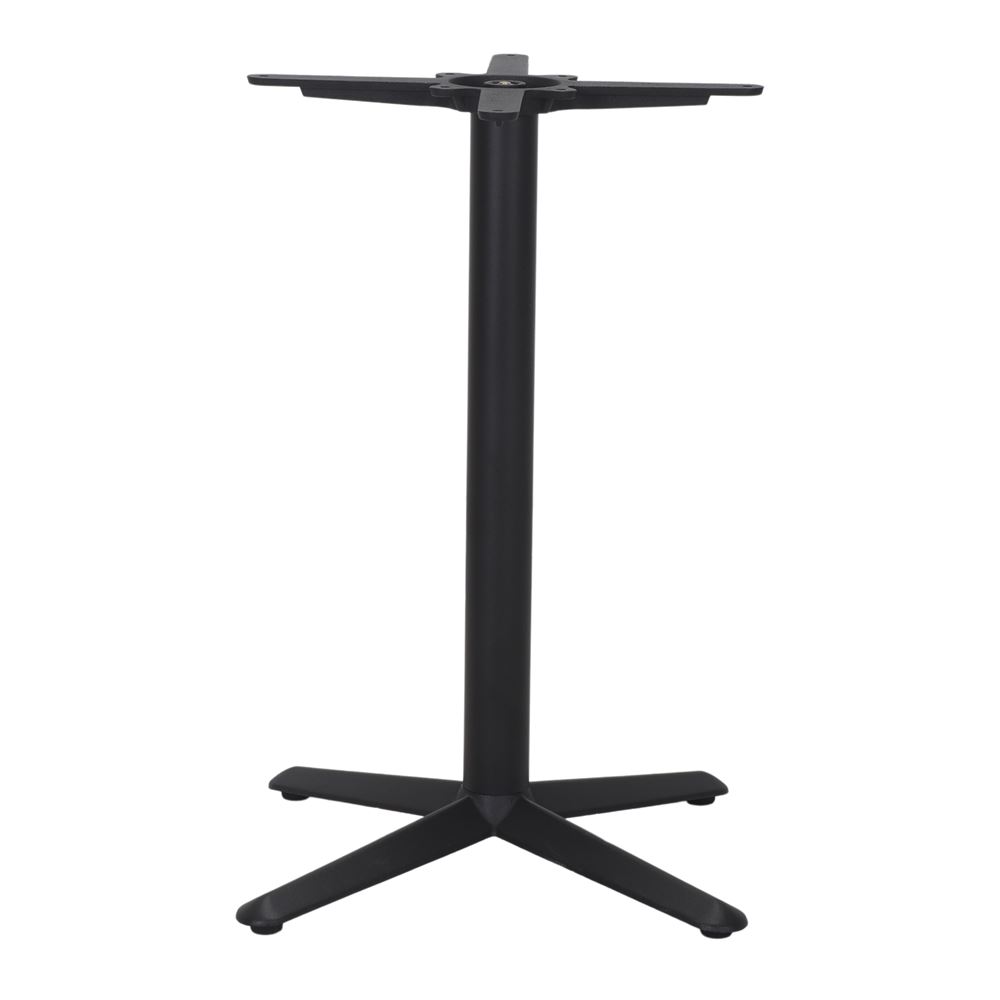
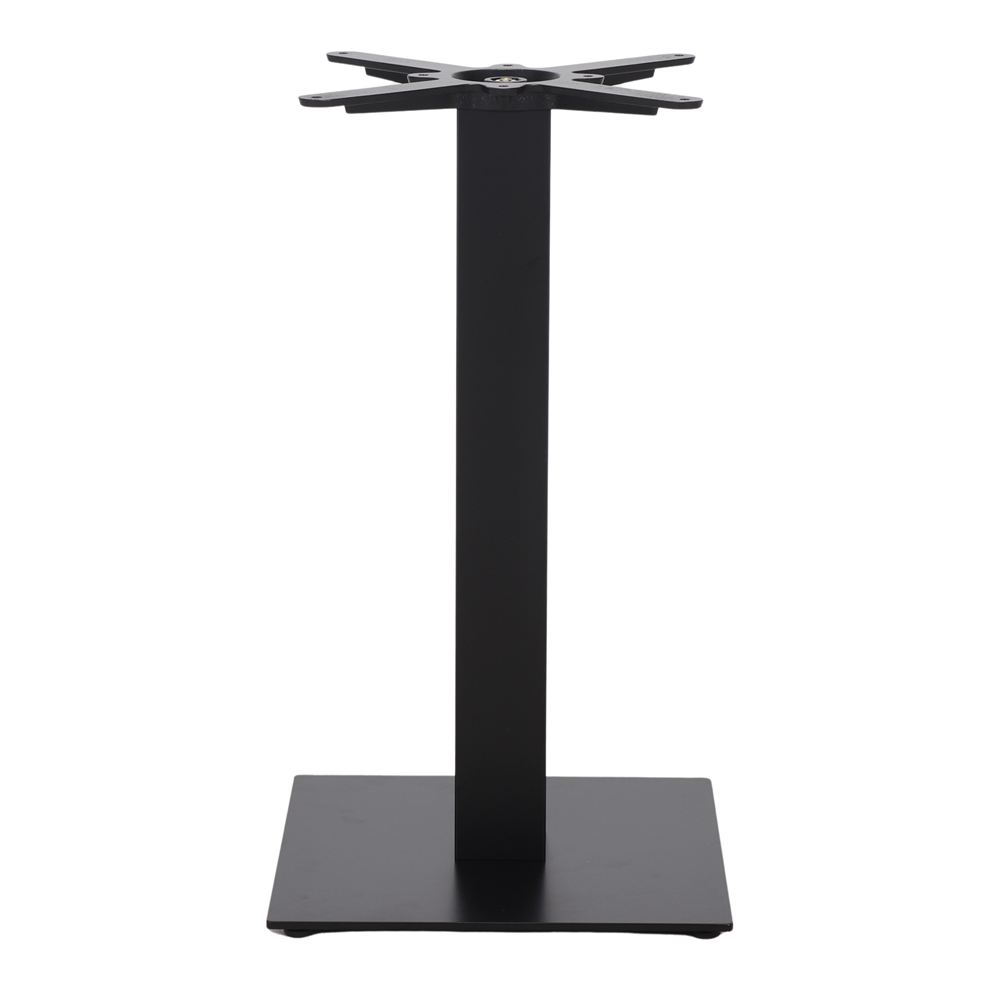

TAPIES SMOOTH LOW TABLE FRAME
Out of stock
✖ Out of stock (made to order or coming soon)
118,58€ (VAT included)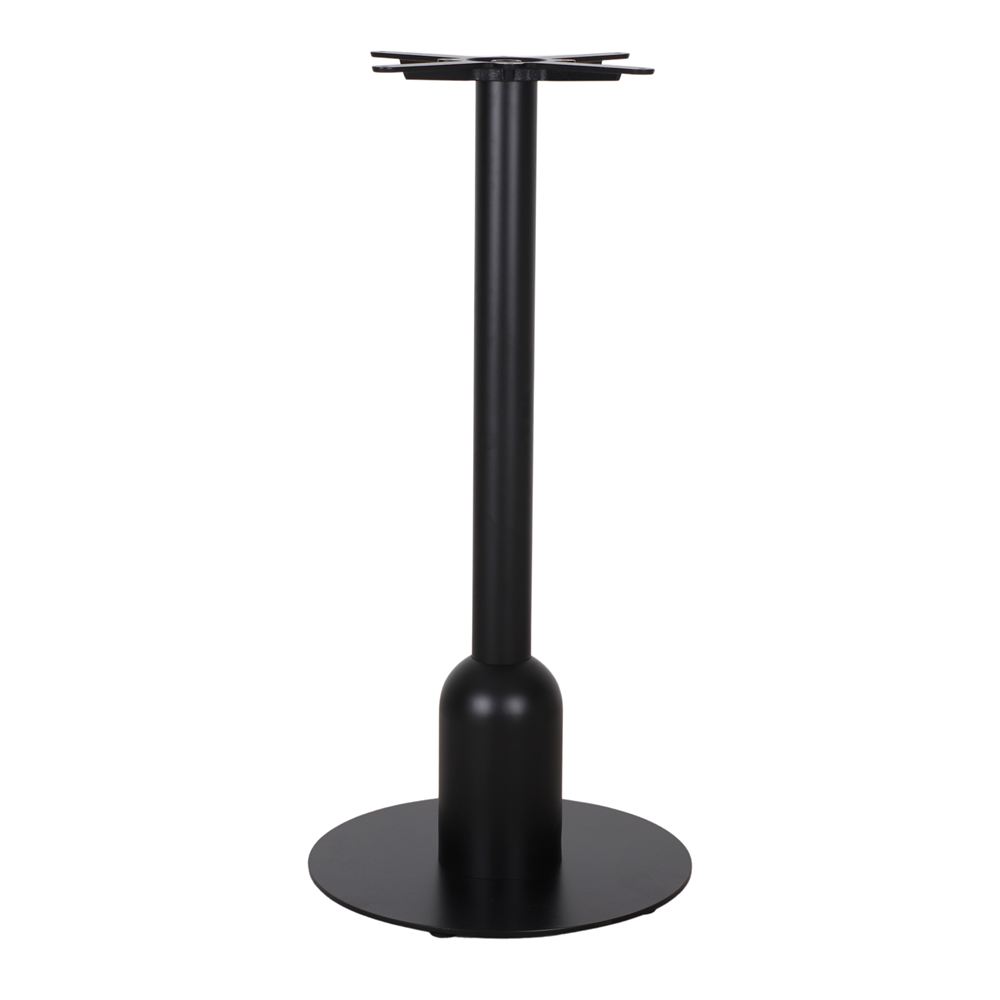
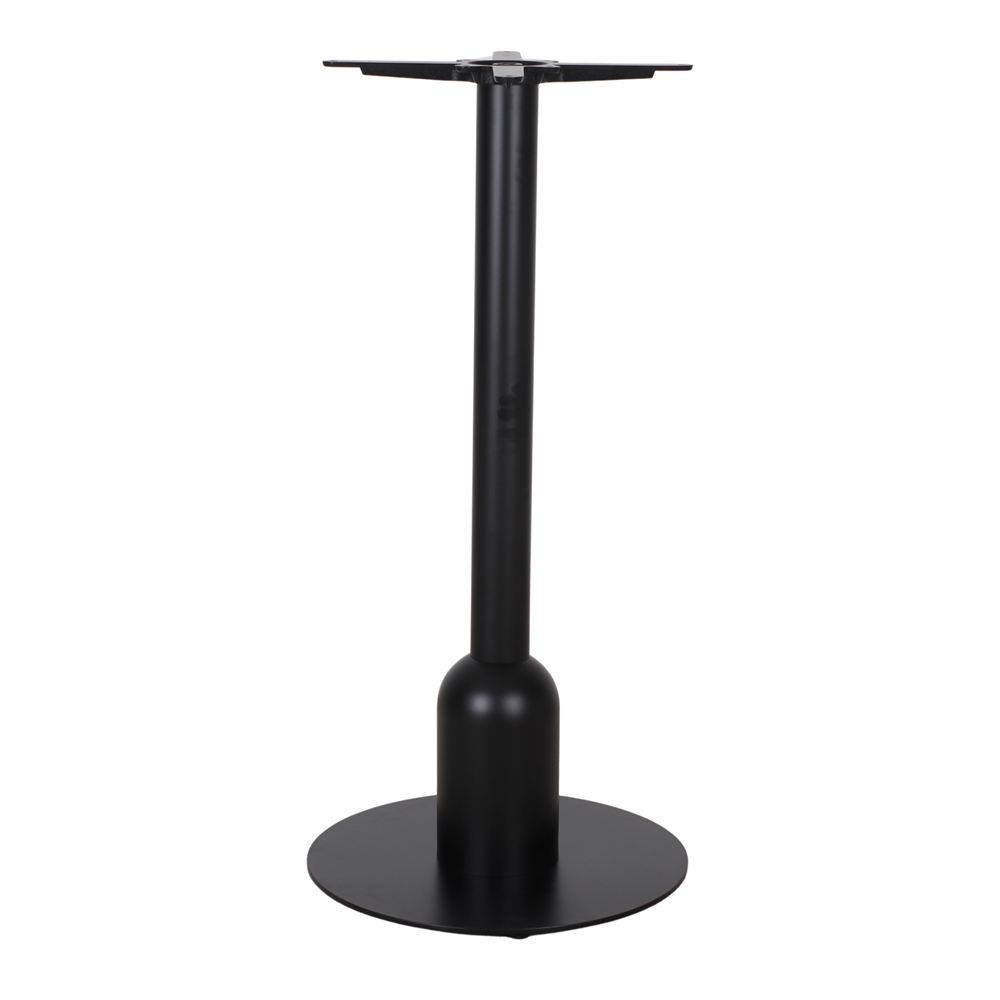
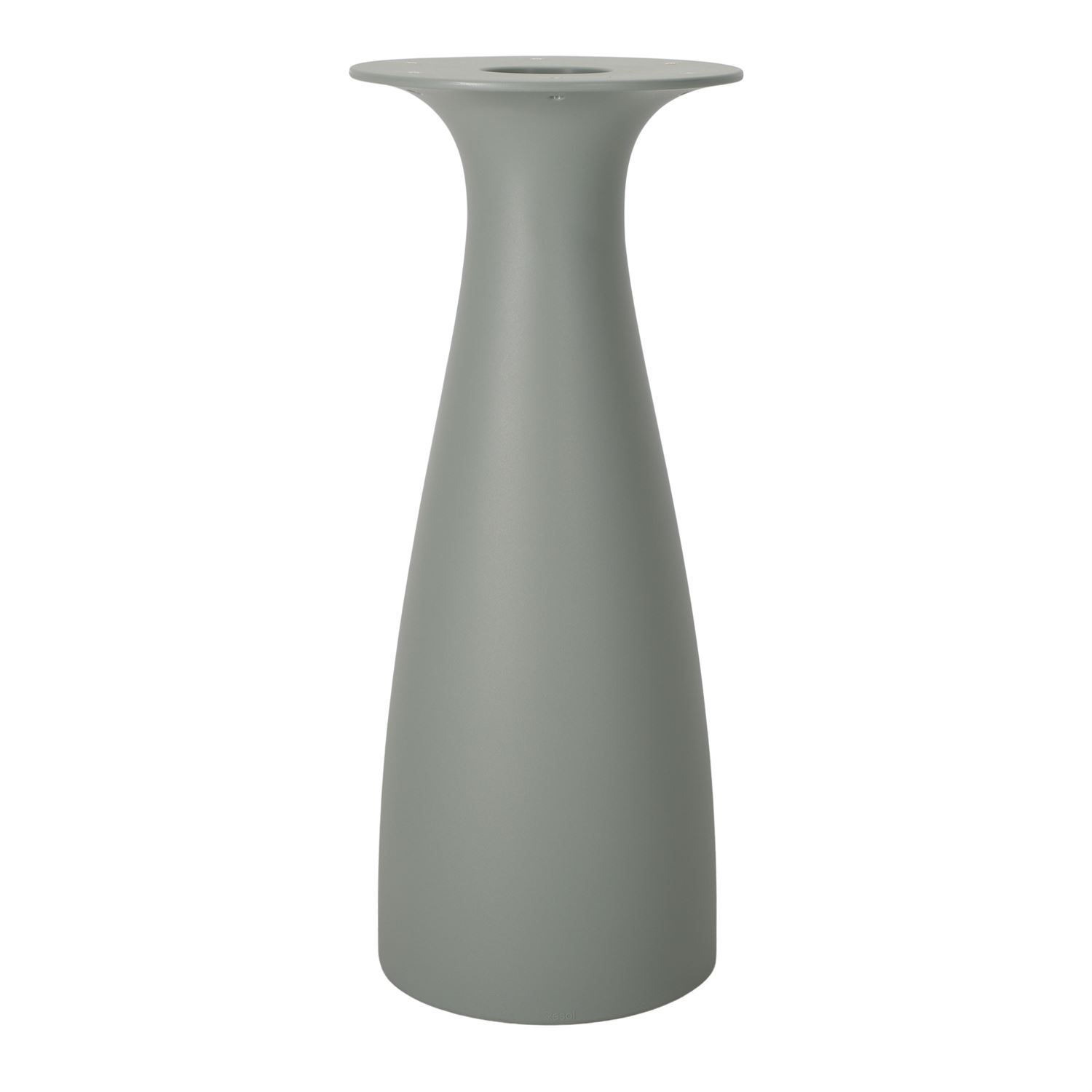
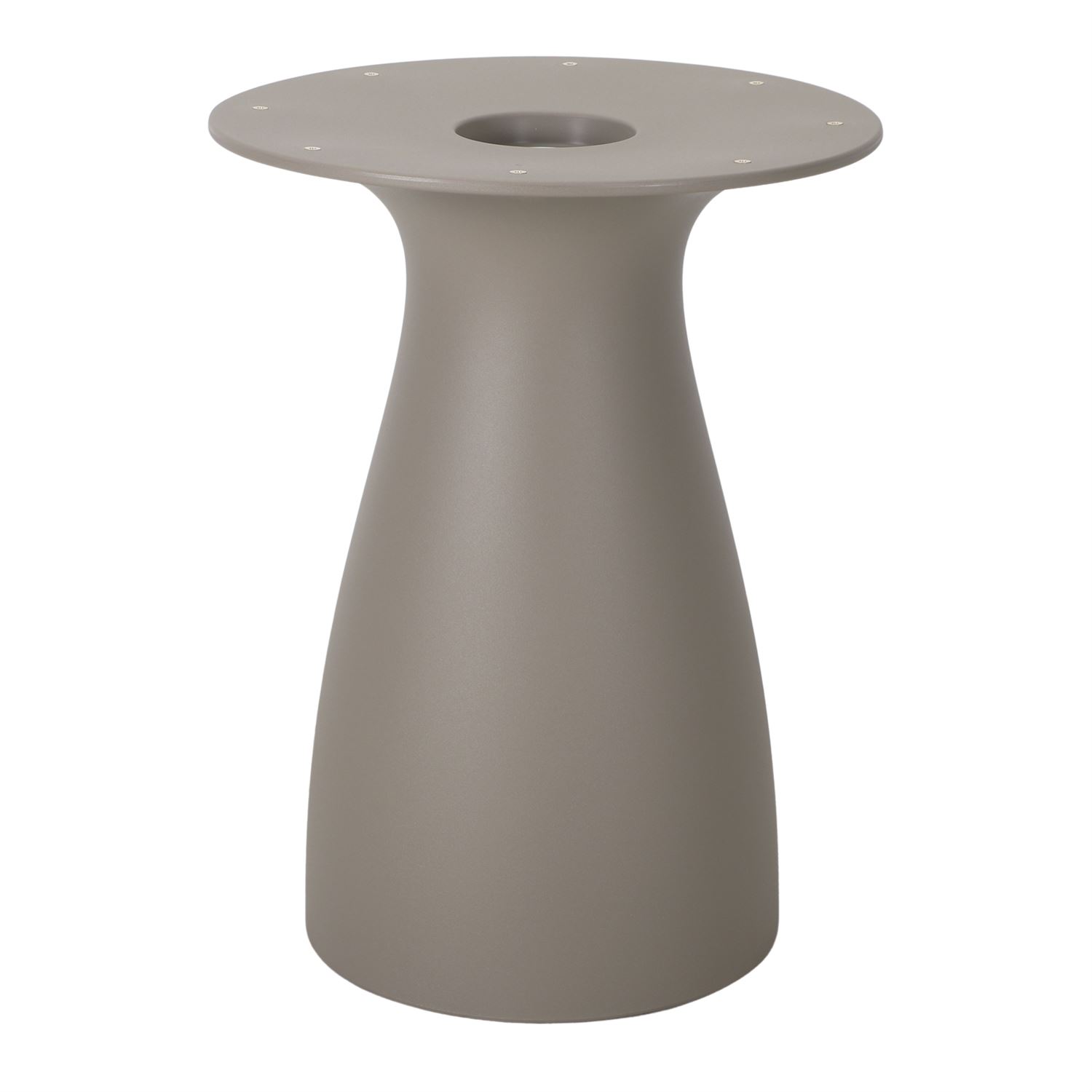
BABALOO TABLE FRAME
Out of stock
✖ Out of stock (made to order or coming soon)
263,78€ 301,29€Price range: NO DISCOUNT APPLIED (excluding VAT) 263,78€ through 301,29€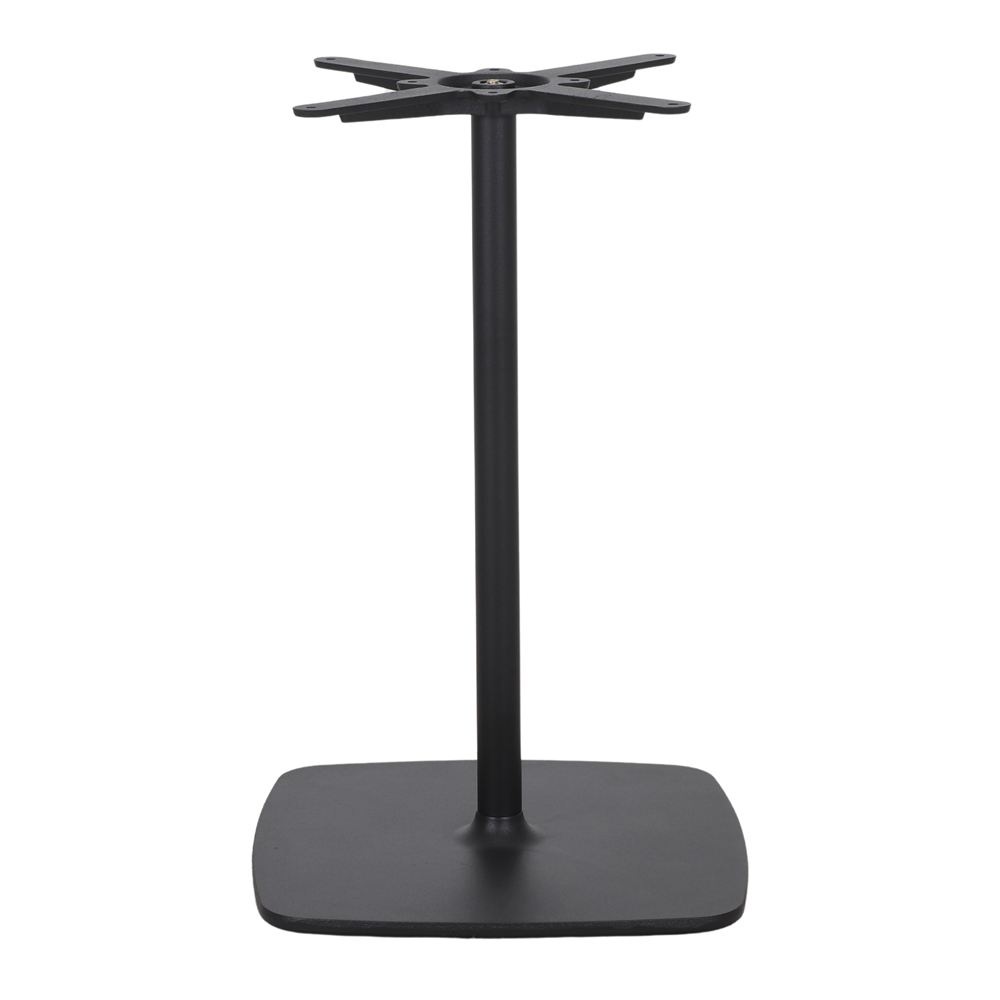
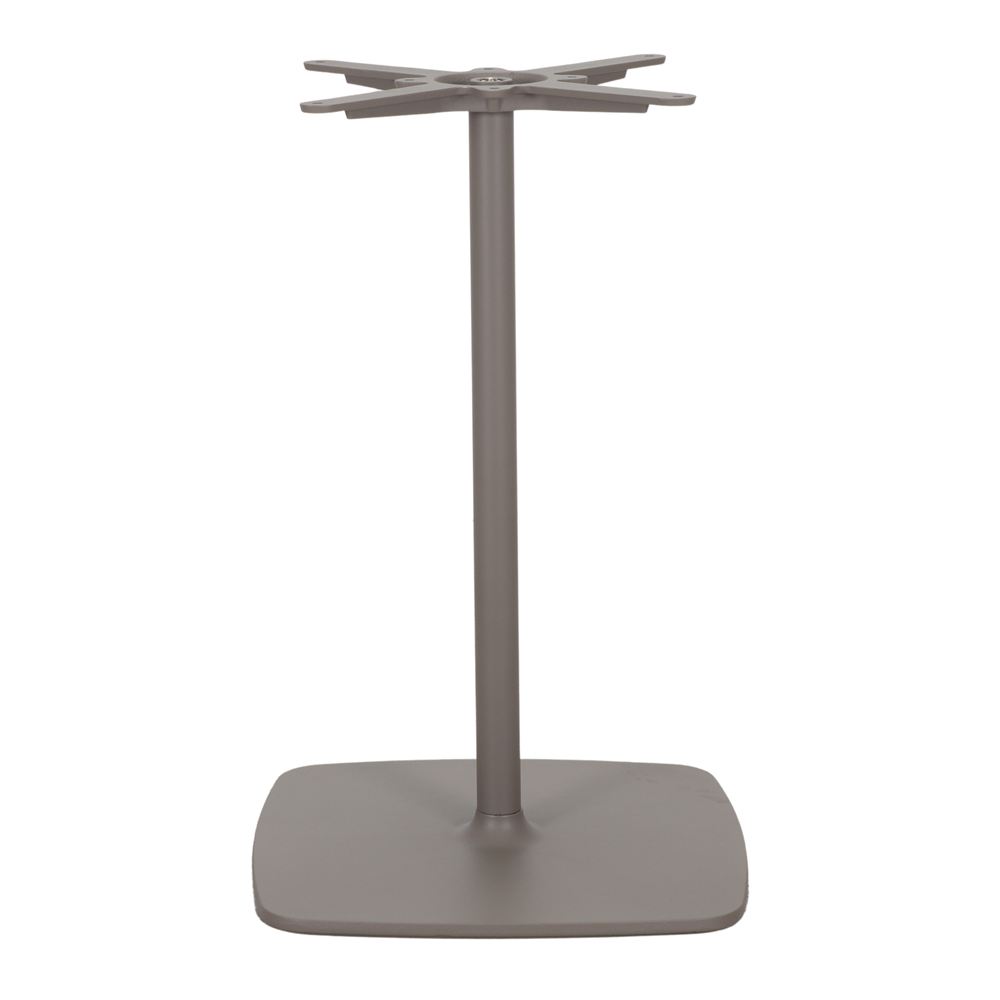
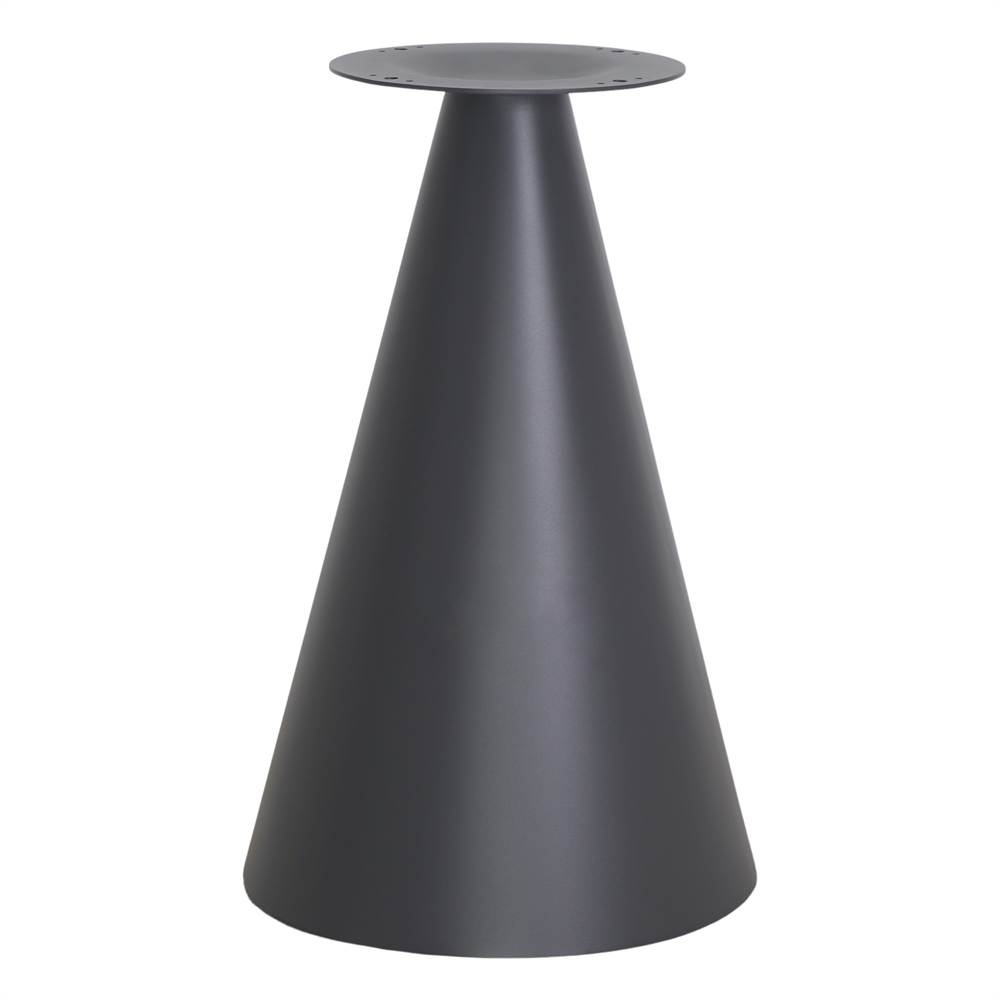
Choose the Best Table Legs and Transform Your Space
Interior design has evolved towards a trend where personalisation is key. We are no longer satisfied with mass-produced furniture that lacks character. In this context, table legs have become an essential component for anyone looking to create unique pieces, whether through DIY projects or by restoring reclaimed wood. Choosing the right support is not simply a matter of aesthetics; it is a technical decision that affects the stability, ergonomics and durability of your furniture.
The Importance of a Solid Base in Furniture Design
When we think of a table, we usually picture the tabletop or surface first. However, it is the legs that define the character of the piece and ensure its functionality. A solid oak tabletop would lose much of its appeal if supported by a flimsy structure that wobbles at the slightest touch. Understanding the relationship between the weight of the tabletop and the strength of the supporting material is therefore the first step towards a successful project.
Table legs do more than simply support weight; they also influence the visual flow of a room. Minimalist legs can make a small dining area appear more spacious by allowing light to pass through, while robust turned wooden legs can visually anchor a large room, giving it an air of classic elegance.
Popular Materials and Their Aesthetic Benefits
Metal has become the undisputed leader in today’s market. Thanks to its versatility, steel can be used to create everything from heavy industrial structures to slim, elegant profiles. Wrought-iron or steel legs with a black powder-coated finish are ideal for industrial or modern rustic interiors. Their main advantages are exceptional durability and easy maintenance, as well as their superior load-bearing capacity for marble or natural stone tabletops.
Wood, on the other hand, remains the preferred choice for those seeking warmth and an organic touch. Beech, pine or oak table legs provide a natural texture that metal simply cannot replicate. They are perfect for Scandinavian or Nordic interiors, where the purity of natural materials is essential. Wood also lends itself beautifully to detailed craftsmanship, such as turning, which adds a sense of tradition and artistry to the finished piece.
Standard Heights for Different Types of Projects
For a table to be comfortable, it should follow standard ergonomic dimensions. If you are looking for legs for a dining table or office desk, the standard height is generally between 71 and 75 centimetres. This allows a conventional chair to fit comfortably underneath while keeping your arms in a natural position when working or dining.
For a coffee table in the living room, the legs should generally be between 35 and 45 centimetres high. Here, there is more freedom to experiment with bolder designs. For side tables or bedside tables, the height usually aligns with the mattress or the arm of the sofa, typically around 50 to 60 centimetres. Finally, for kitchen counters or bar tables, legs measuring between 100 and 110 centimetres are generally suitable and designed to be paired with high stools.
Table Leg Styles That Define Your Décor
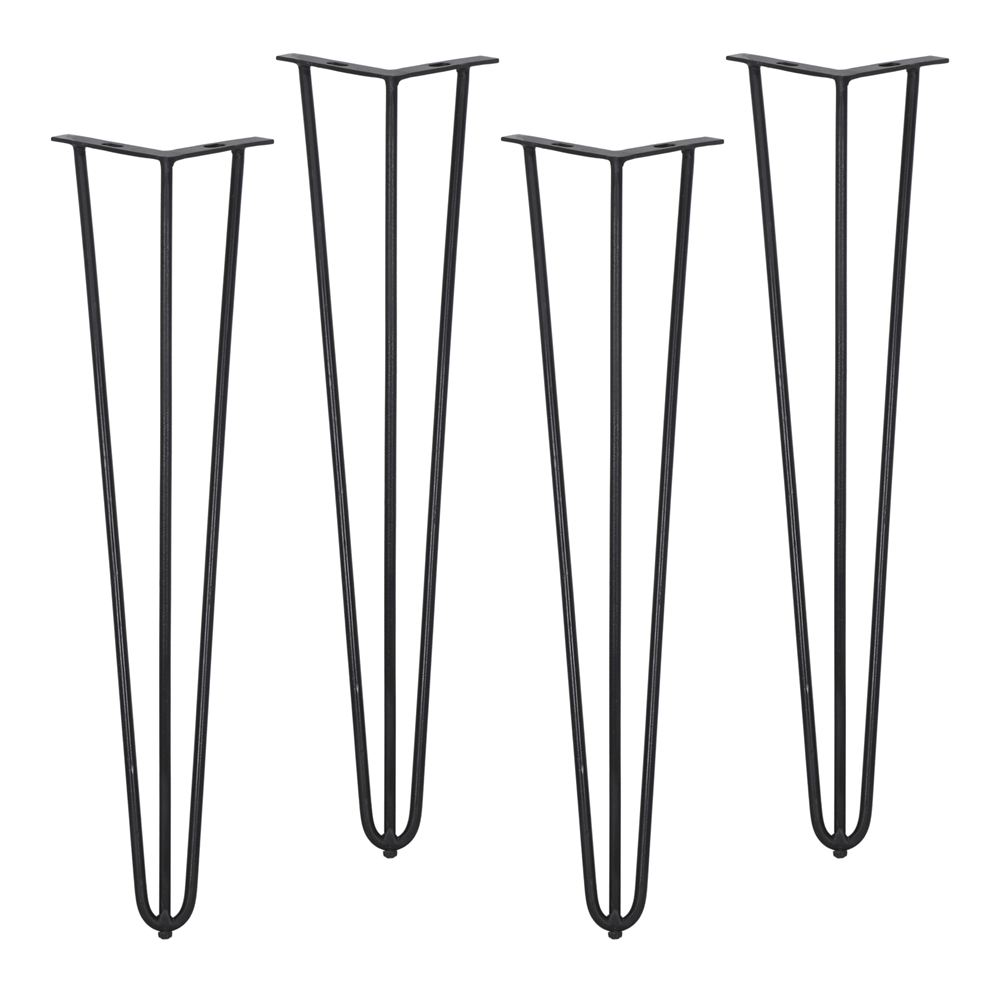
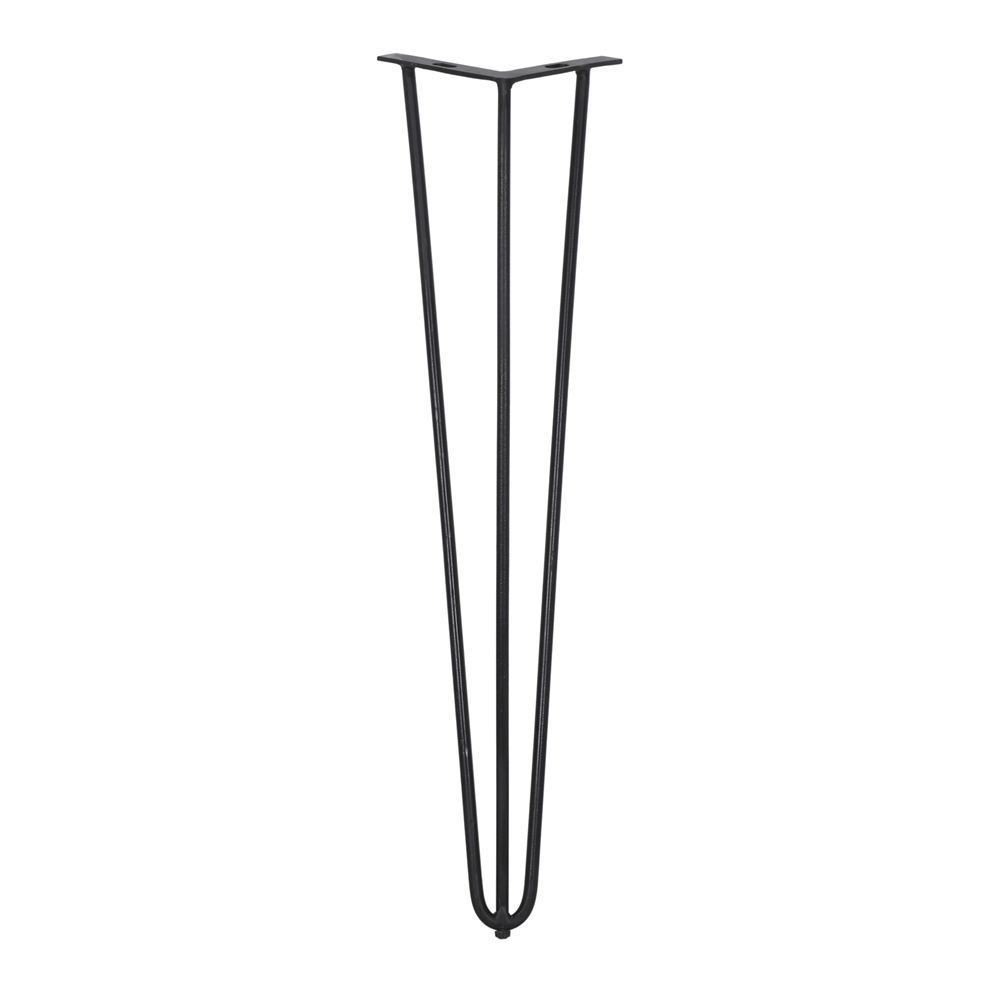
The “hairpin” leg is an icon of Mid-Century Modern design that has made a powerful comeback. Its slender steel rod construction creates an incredibly lightweight visual effect, making it a popular choice for transforming a simple tabletop into a retro-inspired design piece. Installation is remarkably straightforward, making hairpin legs ideal for DIY beginners.
For those who prefer a bolder look, “X”- or “U”-shaped legs offer an architectural, contemporary appearance. These structures are generally wider and provide excellent lateral stability, making them particularly suitable for large dining tables designed to accommodate several people. The “trestle leg” style is another excellent option for creative workspaces, bringing an artistic workshop feel that works beautifully in contemporary interiors.
Technical Considerations for Safe Installation
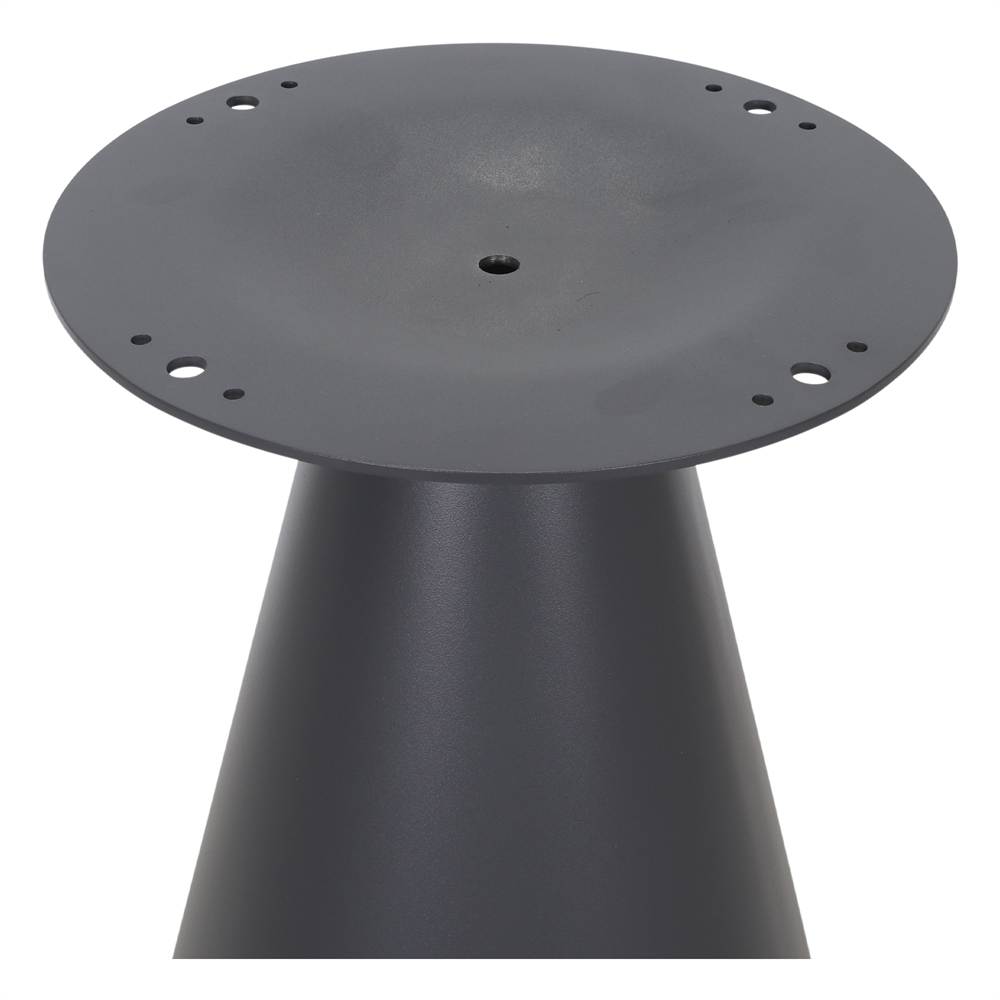
Before purchasing your table legs, it is essential to check the mounting system. Most modern table legs come with pre-drilled mounting plates that make installation easier. However, you should ensure that your tabletop is thick enough to accommodate the screws without them penetrating through the surface. For softwood tabletops such as pine, wide-thread screws are recommended to provide a stronger grip.
If you are using a glass tabletop, choosing the right legs requires additional consideration, as you will need supports with special suction pads or UV-bonding systems unless the leg structure forms a complete frame on which the glass can simply rest. Levelling is another important factor; many modern table legs include concealed adjustable feet that compensate for uneven flooring and prevent the table from wobbling.
Long-Term Maintenance and Care
To preserve the appearance of metal table legs, simply clean them regularly with a damp cloth and avoid abrasive products that could scratch the paint or lacquered finish. In coastal environments, it is advisable to choose finishes specifically treated against corrosion. For wooden legs, applying natural waxes or oils once a year will help keep the fibres conditioned and prevent cracks caused by dry conditions.
Investing in high-quality table legs is ultimately an investment in the longevity of your furniture. Whether you are repurposing an old door into a desk or designing your dream dining table from scratch, your choice of supports will define not only how your table looks, but also how you experience it every day.