
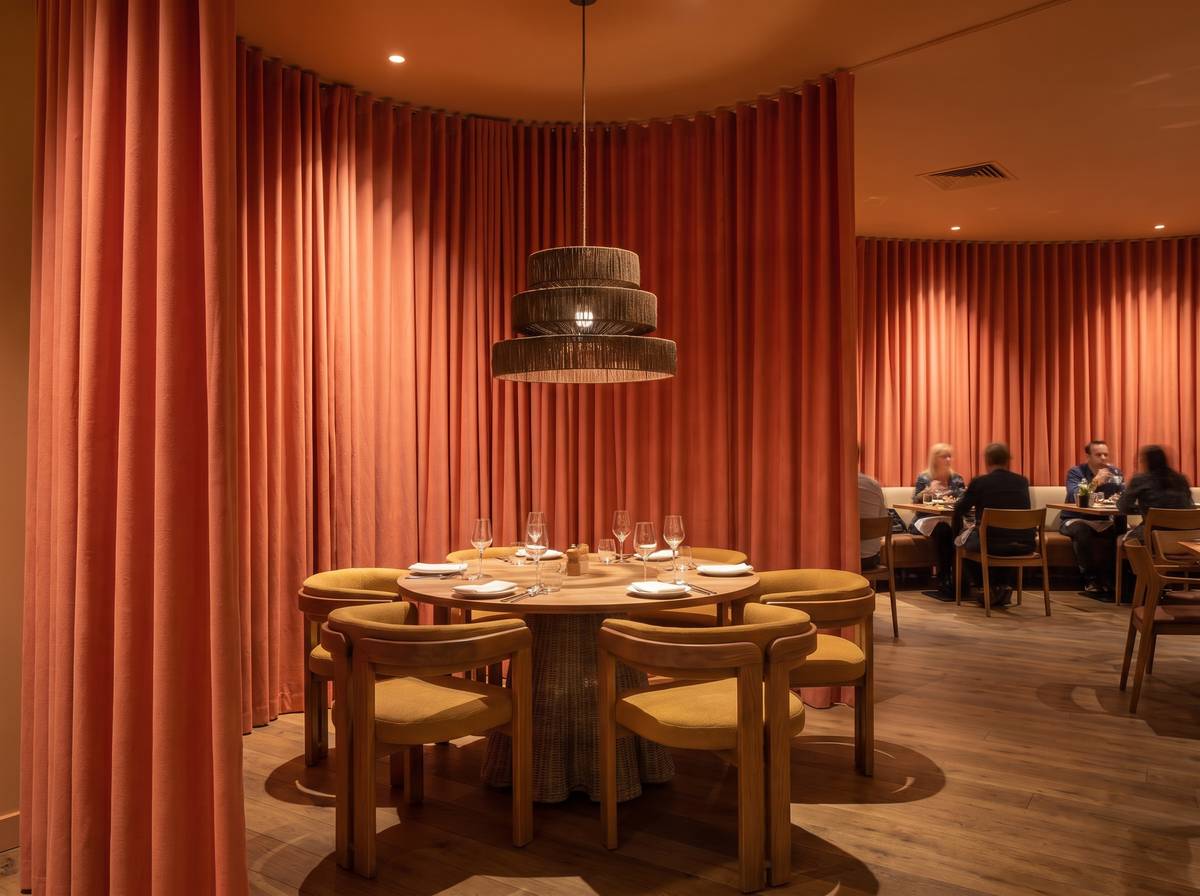
A restaurant can have the best furniture, the best menu and an impeccable layout, yet still give customers the feeling that “I don’t want to stay here.” In most cases, the problem isn’t the chairs or the tables: it’s the lighting.
Lighting is the design element that has the greatest impact on how a space is perceived, yet it is often left until the very end, when time is short and the budget has already been stretched. It is also one of the least expensive things to fix: replacing a set of pendant lights costs a fraction of what it would cost to replace the furniture, and the effect on the atmosphere is immediate.
In this guide, we cover everything an interior designer, interior architect or restaurant owner needs to decide before buying: colour temperature, focal points, lighting types for different styles, technical requirements and a selection of 20 affordable lamps that appear time and again in hospitality projects.
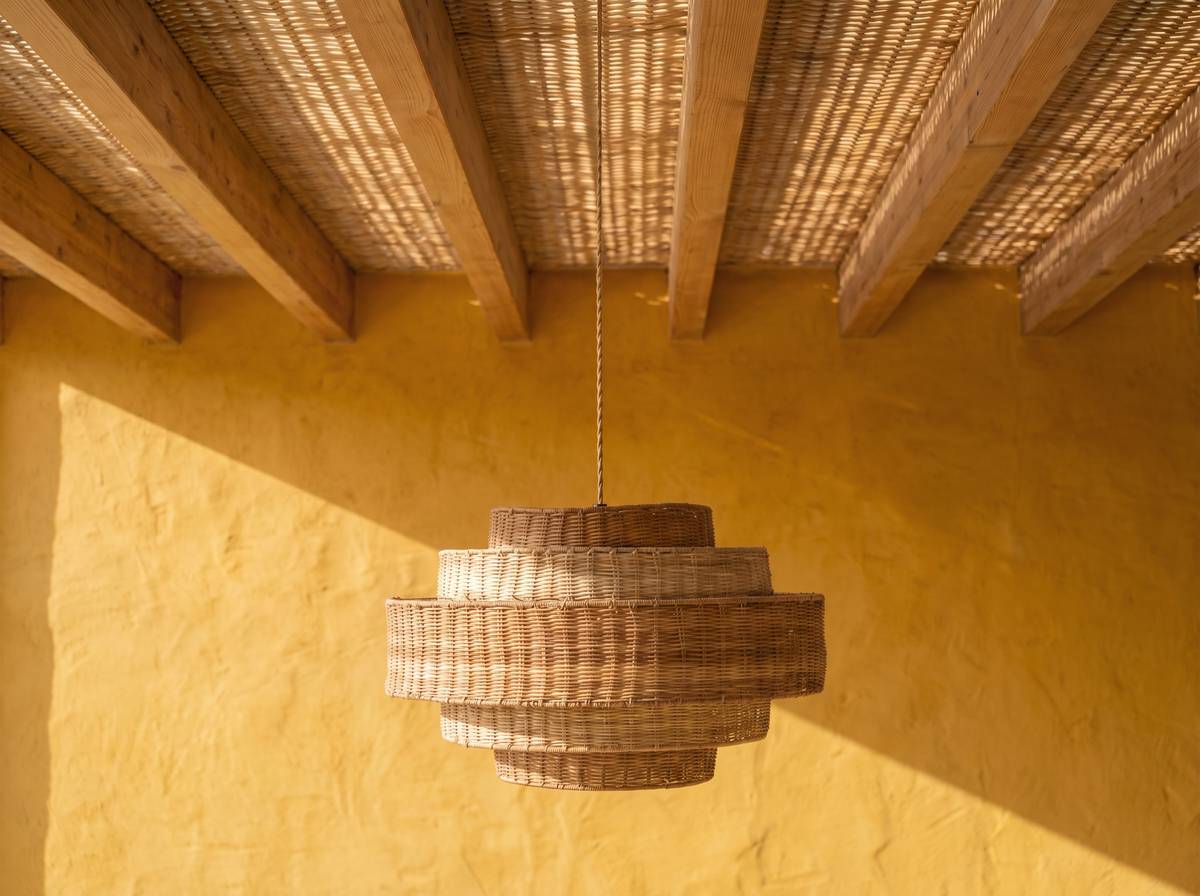
1. Colour Temperature and Focal Points: The Two Decisions That Change Everything
Colour temperature determines whether people stay or leave
Colour temperature is measured in Kelvin (K) and is the factor that determines whether a dining room feels welcoming or more like a waiting room.
Temperature | Perception | Recommended use in hospitality spaces |
2.200 – 2.400 K | Very warm, candlelight-like | Cocktail bars, wine bars, dinner settings, after-dinner areas |
2.700 K | Warm | Standard for dining rooms and restaurant spaces |
3.000 K | Warm-neutral | Cafés, brunch venues, spaces with plenty of light-coloured wood |
4.000 K | Neutral | Kitchen, back-of-house areas, working bar areas, restrooms, storage rooms |
5.000 K or higher | Cool | Not recommended for dining areas. Technical areas only |
Rule of thumb: in dining areas, do not go above 3,000 K. Lighting a dining room at 4,000 K flattens the colours of the food, makes diners’ faces look harsher and reduces the average amount of time they spend at the table.
CRI: the specification almost no one checks, but which can ruin how a dish looks
The Colour Rendering Index (CRI or Ra) measures how accurately a light source reproduces colours. With a low CRI, a steak can look grey and a salad can appear dull.
- CRI ≥ 80: minimum acceptable level for circulation areas.
- CRI ≥ 90: recommended above tables and in any area where food or products are displayed (display cases, counters, buffets).
This specification appears on the technical data sheet for the light bulb, not the lamp itself. It is worth including it in the project specifications.
Focal Points Above the Table: Heights and Spacing
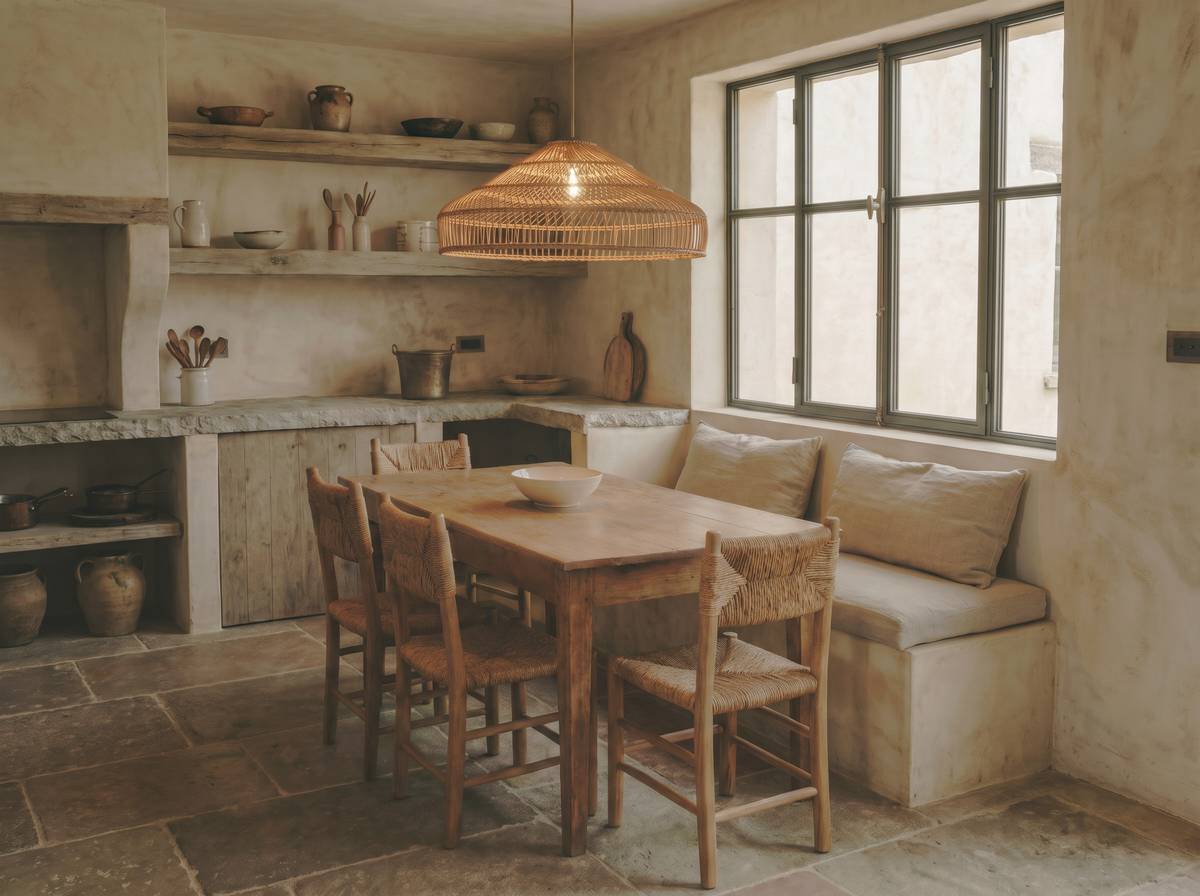
Accent lighting above the table creates a sense of intimacy by providing contrast with the rest of the dining area. Here are some useful starting points:
- Pendant height: between 65 and 80 cm from the tabletop to the bottom edge of the shade. Below 60 cm, it can obstruct diners’ view; above 90 cm, the focal effect is lost.
- Long or communal table: one pendant every 60–80 cm, aligned and hung at the same height.
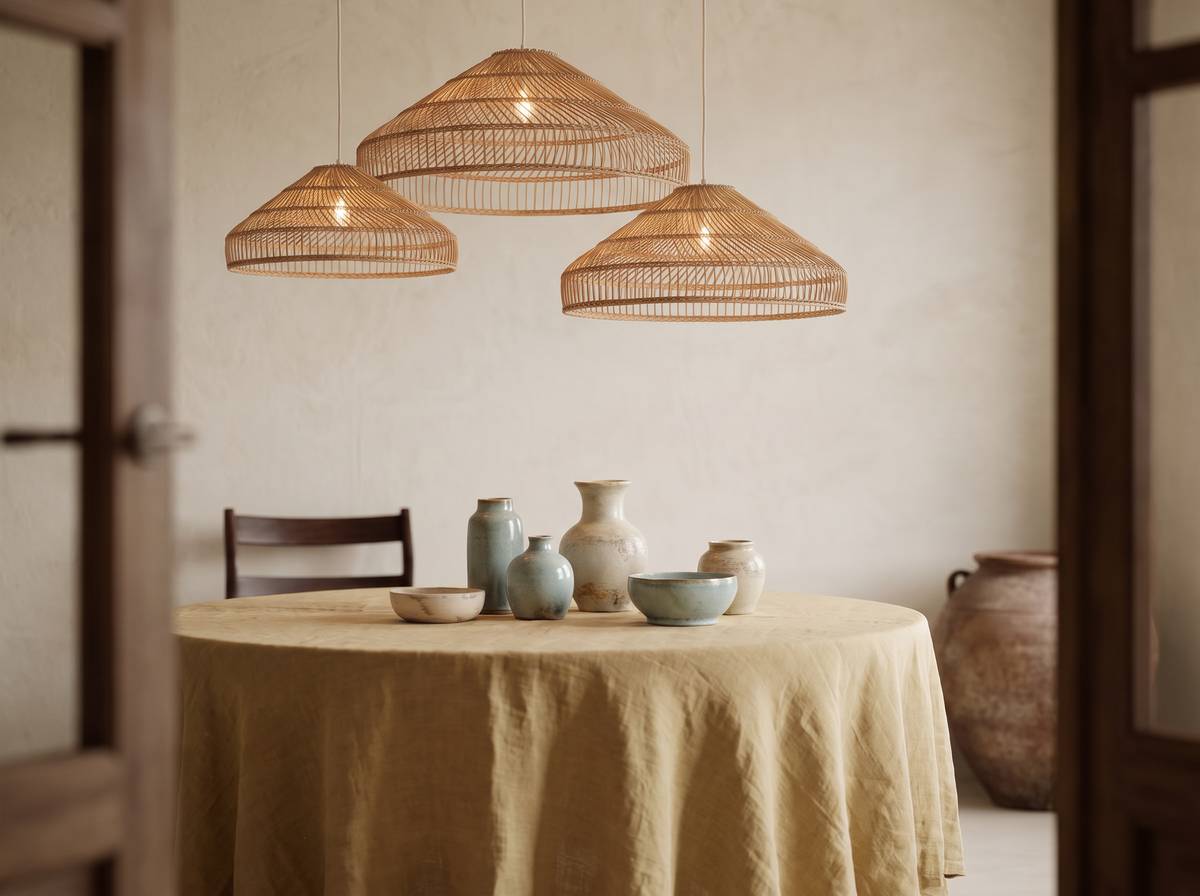
- Round or square table for 2–4 diners: one centred pendant, or a cluster of three smaller ones.
- Bar counter: one pendant every 70–90 cm, positioned slightly towards the customer side to avoid dazzling staff behind the bar.
- Low ceilings (under 2.6 m): replace pendant lights with wall lights and indirect lighting.
Work with Layers, Not Individual Lamps
A well-designed lighting scheme always combines four layers:
- A well-designed lighting scheme always combines four layers:
- Accent or task lighting: the light above tables and the bar. This should take centre stage.
- Indirect or fill lighting: wall washers, lighting behind shelving and within cornices. It softens harsh shadows and adds depth.
- Decorative lighting: the lamp you notice, rather than the one that provides the illumination. It gives the space its stylistic character.
The most common mistake is to rely entirely on the first layer: a ceiling full of downlights switched on at the same time. It provides plenty of light, but no atmosphere.
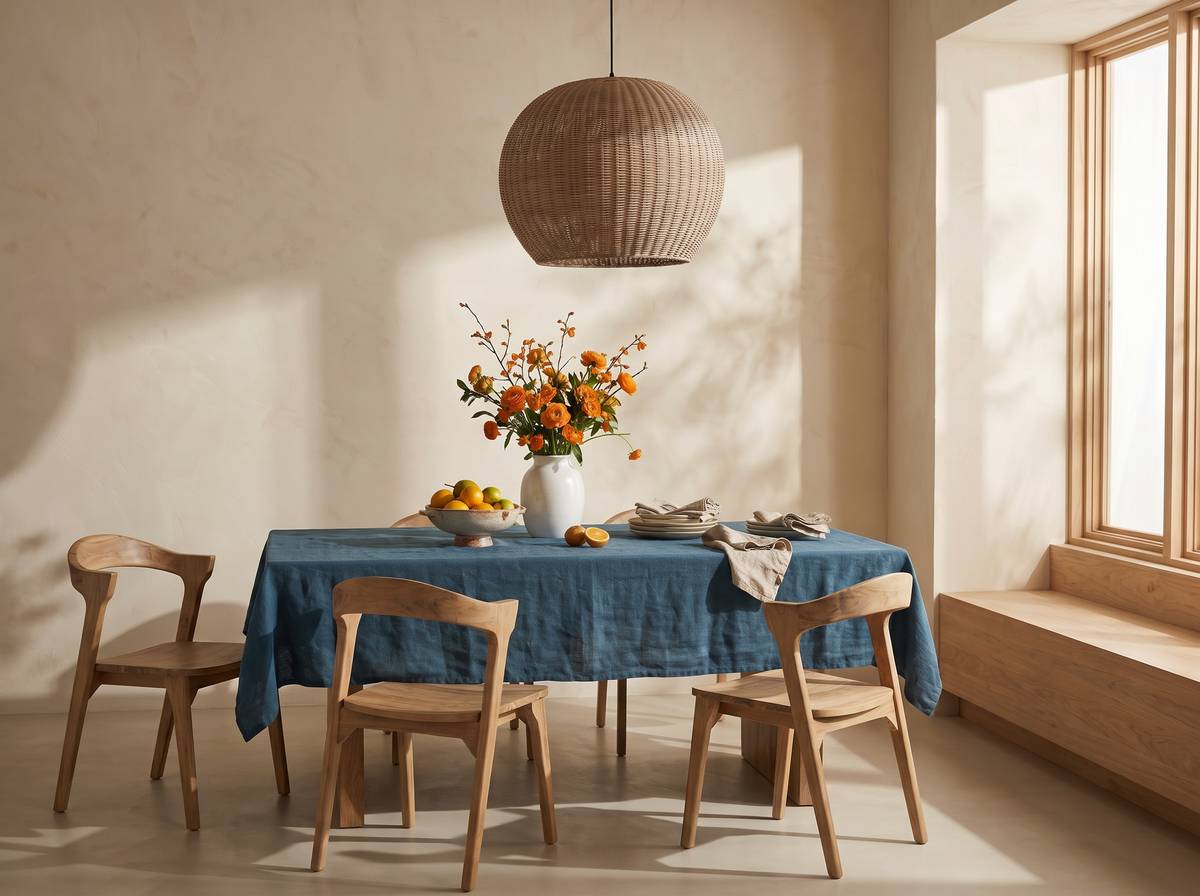
2. Types of Lamps to Suit the Style of Your Venue
Industrial Style
Metal, black, copper and aged brass. Metal shades, cage lights, adjustable spotlights and enamelled shades with white interiors, which reflect light downwards more effectively.
- Works well in: Breweries, gastropubs, burger restaurants, open-kitchen venues, and spaces featuring exposed brick and concrete.
- Things to consider: Black metal absorbs light. Compensate by using a higher-lumen bulb or a shade with a light-coloured interior.
Mediterranean and Rustic Style
Glazed ceramic, off-white metal, wrought iron, amber glass and lanterns. Simple shapes and textured finishes.
- Works well in: Rice restaurants, taverns, seafood restaurants, coastal hotels and covered terraces.
- Things to consider: Ceramic fixtures can be heavy. Check the ceiling mounting system before specifying them.
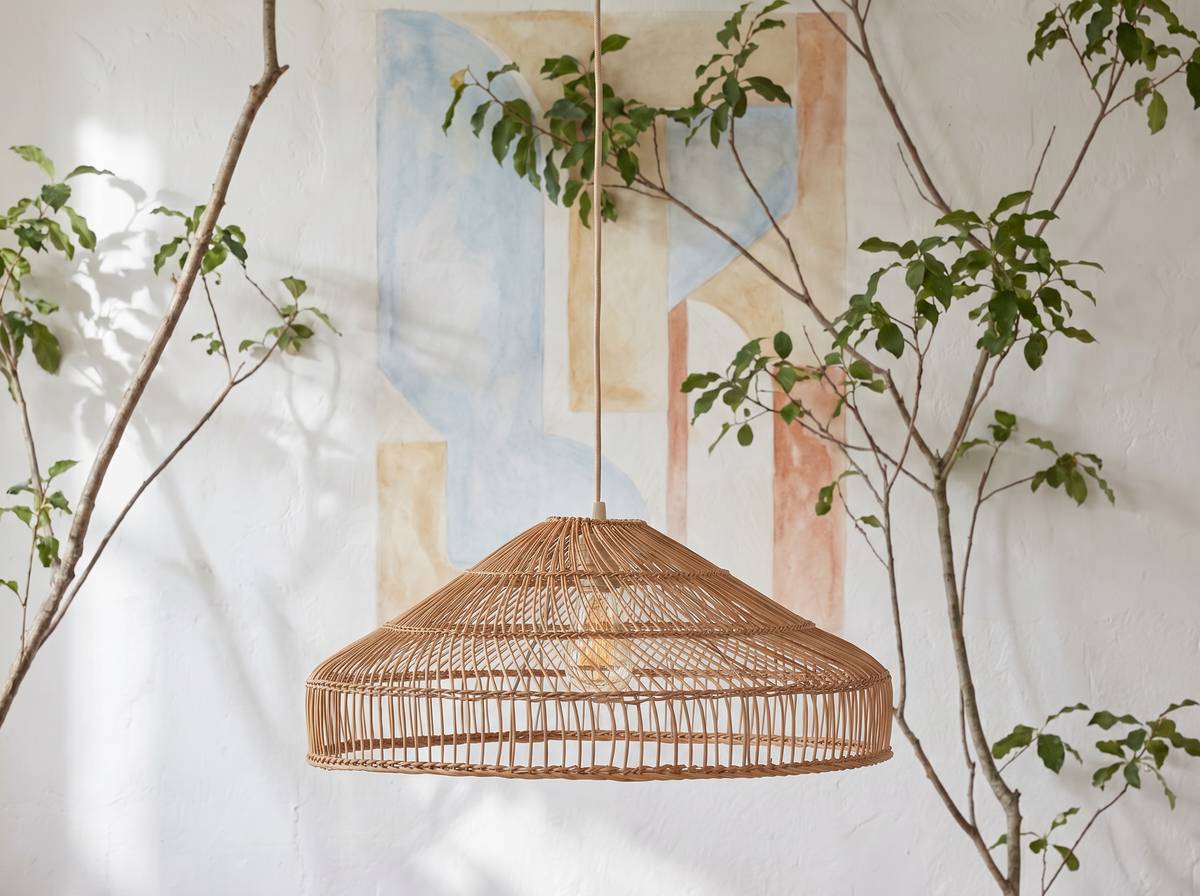
Rattan, Wicker and Natural Fibres
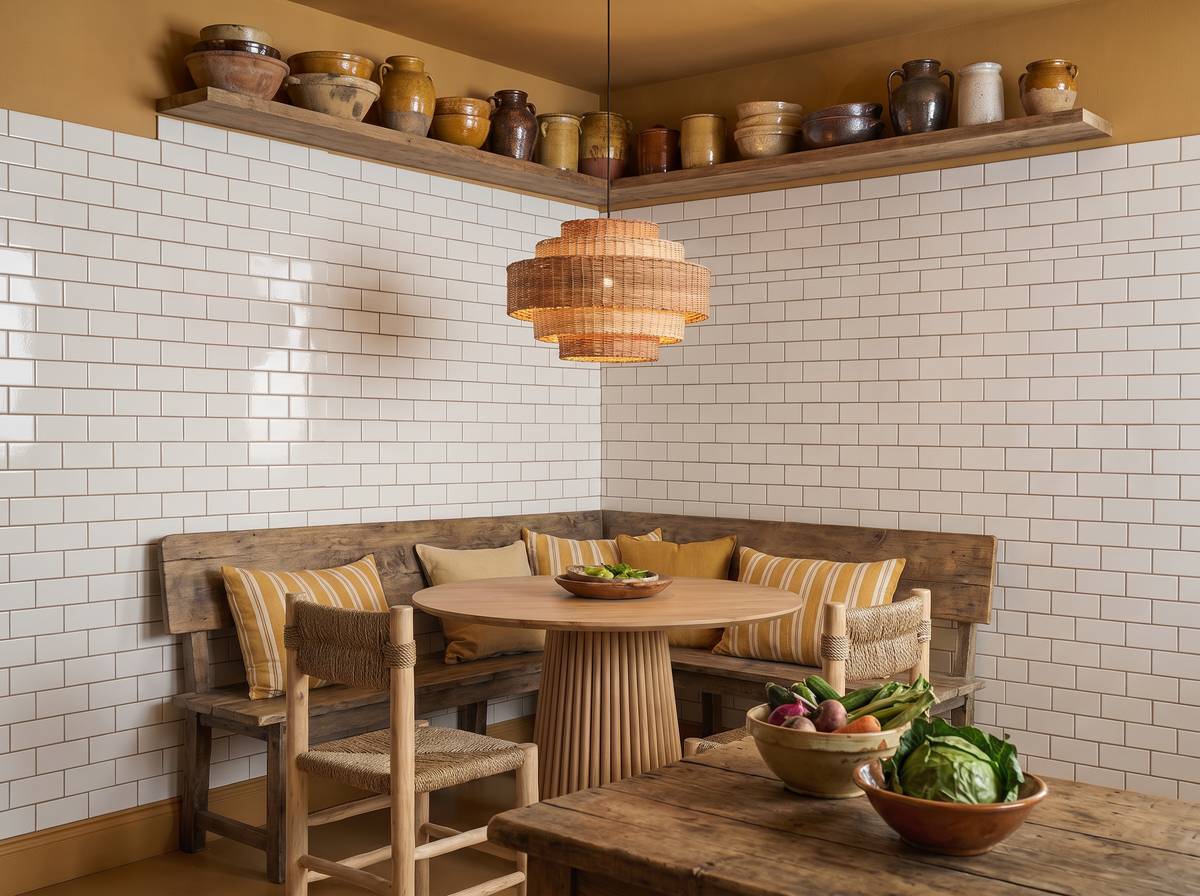
This has been one of the biggest commercial trends in recent years and one of the most photographed styles on social media. The woven material filters the light and casts shadows across walls and ceilings, enhancing the overall sense of warmth.
- Works well in: Fine-dining restaurants, brunch venues, poke restaurants, tropical restaurants or beach clubs, and hotel spaces.
- Things to consider: Natural fibres trap grease and dust. When placed near a griddle or deep fryer, they can lose their colour within months. Keep them in dining areas rather than near open cooking stations.
Nordic and Minimalist Style
Opal glass domes, lacquered cones, globes and clean geometric shapes. White, grey, bottle green and burgundy.
- Works well in: Specialty coffee shops, bakery cafés, casual restaurants and small spaces.
- Things to consider: Opal glass diffuses light extremely well without causing glare, making it the safest option when the lamp is positioned at eye level.
Vintage and Retro Style
Fabric shades, decorative glass shades, polished brass, opaline glass and shapes inspired by the 1950s to 1970s.
- Works well in: Bistros, vermouth bars, neighbourhood cafés and classic cocktail bars.
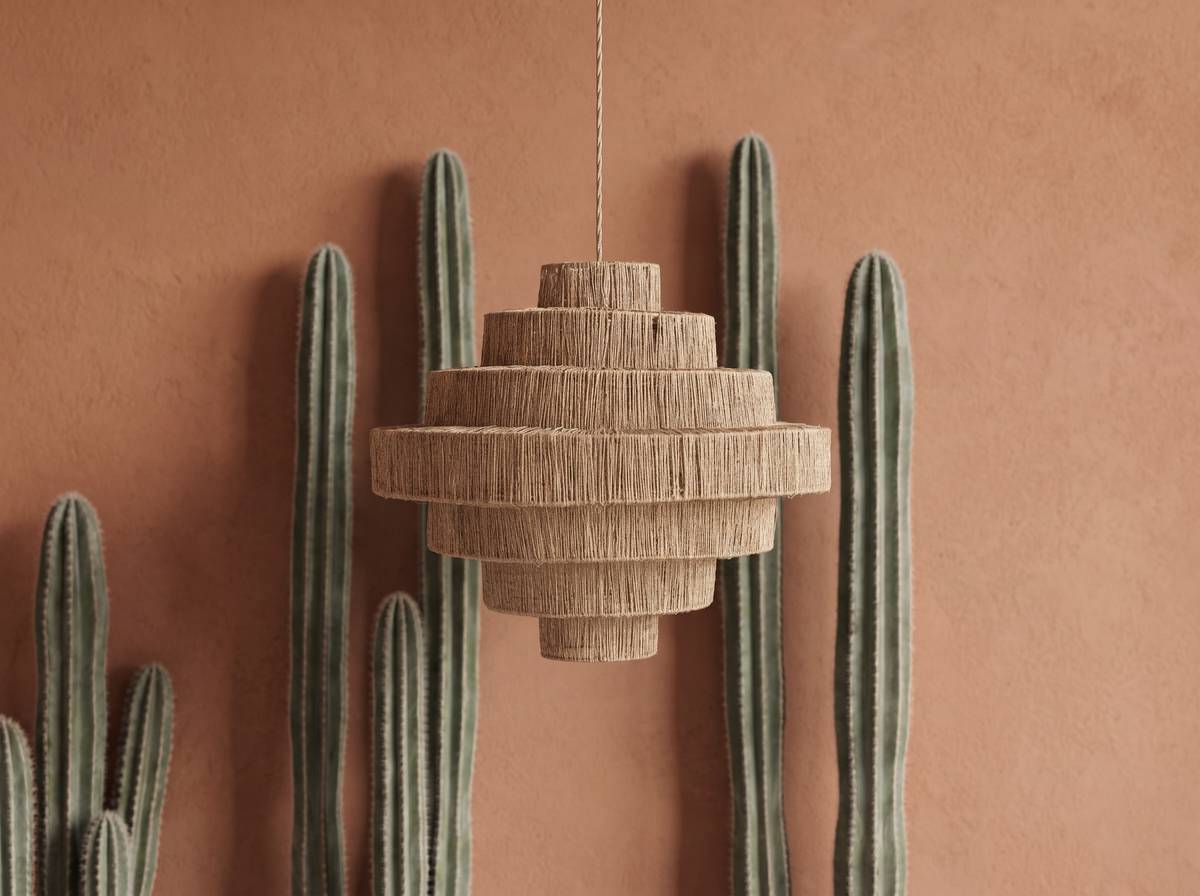
- Things to consider: Textile lampshades tend to age poorly in environments exposed to smoke or open kitchens. Plan for replacements.
3. Technical Requirements and Dimming
Note: the following regulatory references are provided for guidance only and should be checked against the latest applicable versions with the installer or qualified professional responsible for signing off the project. Municipal and regional regulations may also apply to premises open to the public.
Regulatory Framework to Keep in Mind
- UNE-EN 12464-1 — lighting of indoor workplaces. The main reference for illuminance levels according to the type of task.
- RD 486/1997 — minimum health and safety requirements for workplaces, including lighting.
- CTE DB-HE 3 — energy efficiency of lighting installations.
- CTE DB-SUA 4 — safety against risks caused by inadequate lighting, covering normal and emergency lighting in circulation areas.
- REBT, ITC-BT-28 — electrical installations in premises open to the public. Emergency and safety signage lighting are mandatory.
Recommended Illuminance Levels
Area | Approx. lux |
Kitchen and food preparation area | 500 |
Working bar area and till | 300 |
Self-service or buffet area | 300 |
Dining area, tables (lunch service) | 150 – 200 |
Dining area, tables (dinner service) | 50 – 100 |
Restrooms | 200 |
Stairs and circulation areas | 100 |
Storage area | 150 |
IP Ratings for Terraces and Outdoor Areas
- Dry indoor areas: IP20 is sufficient.
- Covered terrace or porch: IP44 minimum.
- Exposed outdoor areas or areas cleaned with pressurised water:
- Kitchen with extractor hood and frequent cleaning: IP44 and a smooth surface, without mouldings or details where grease can accumulate.
Dimming: Lunch Service vs Dinner Service
The same venue needs at least two different lighting scenes. Of all the lighting choices in a project, this is one of the most cost-effective ways to transform the atmosphere.
- Lunchtime / set menu: high table turnover, quick service and plenty of natural light. General lighting at 80–100%, accent lighting over tables at 100%. Objective: efficiency and visibility.
- Afternoon / after-lunch: general lighting at 50%, accent lighting at 80%. This begins to create greater contrast.
- Dinner: general lighting at 20–30%, accent lighting over tables at 60–70%, with indirect lighting switched on. Objective: intimacy and a more relaxed atmosphere.
- Cleaning and closing: everything at 100%, including task lighting. This scene is often overlooked, but staff will appreciate it.
Dimming systems:
- TRIAC: the most economical option. Requires a driver and bulb explicitly labelled as “dimmable”. There is a risk of flickering when components from different brands are mixed.
- 1–10 V: reliable and straightforward for medium-sized installations.
- DALI: addressable system that allows circuits to be grouped and lighting scenes to be programmed. Recommended for larger venues or spaces with several distinct zones.
- Dimmable retrofit LED bulb: the most affordable solution for an existing venue, with no building work required.
Two details that help prevent complaints: always specify bulbs explicitly declared “dimmable” by the manufacturer (a non-dimmable LED on a dimmed circuit may flicker or buzz), and check flicker performance, particularly in venues with TV screens or where staff spend long hours under the same lighting.
4. Twenty Affordable Lighting Options from MisterWils
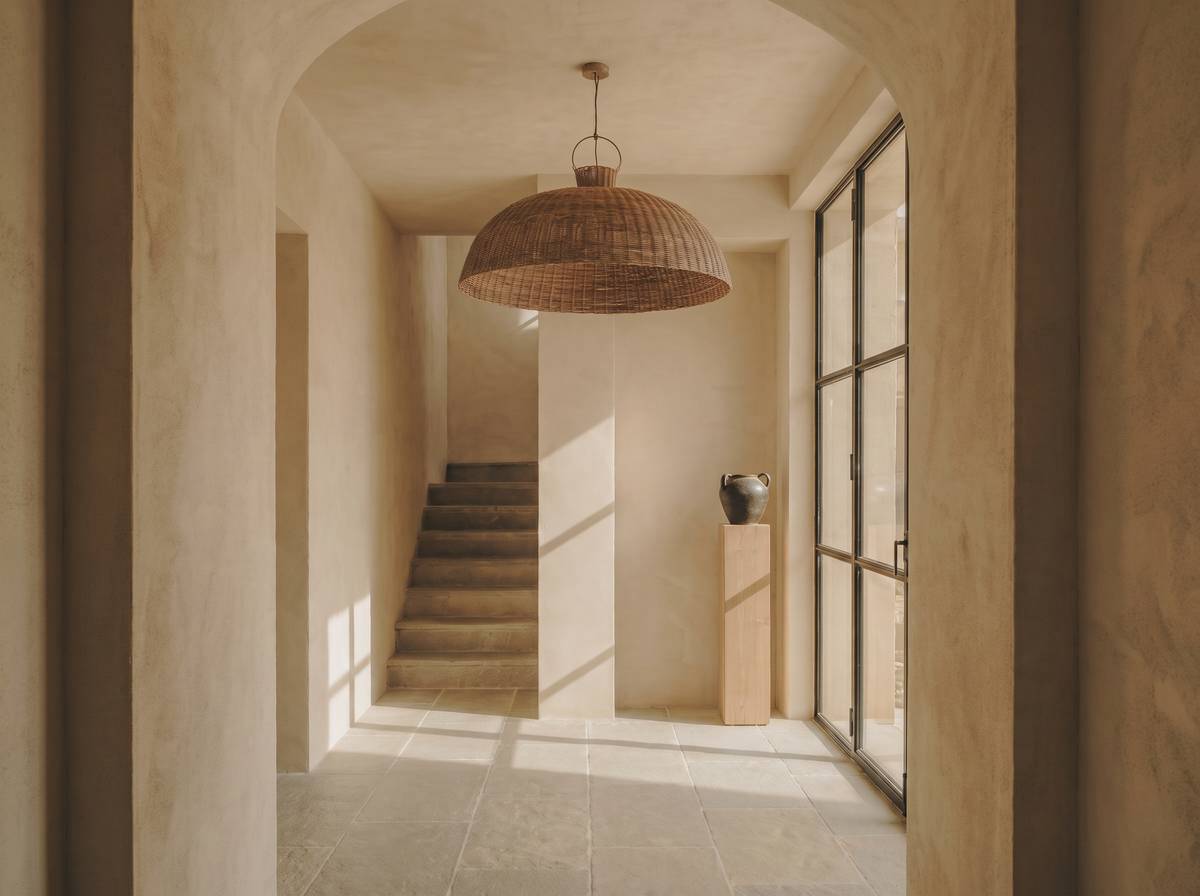
To keep costs under control without compromising on atmosphere, it is worth combining pieces with different functions: pendant lights and lampshades to create focal points above tables, wall lights to add depth without taking up space, and table lamps for bars, shelving or accent corners. This selection brings together 20 affordable options from the MisterWils online catalogue.
Prices checked on 8 August 2026, including VAT. Prices and availability may vary, so check the individual product page before placing your order. For lampshades, also check whether the cable, ceiling rose and lamp holder are sold separately.
Pendant Lights and Ceiling Lampshades
- Norden Seagrass Lampshade — €50.82. A lightweight Mediterranean-style option that can be repeated above tables or bars to create warm, textured lighting.
- Kolton Rattan Lampshade — €56.87. Its affordable price makes it easy to install several units while maintaining a consistent visual style in medium-sized dining areas.
- Tossy Rattan Lampshade — €59.29. With a diameter of 60 cm, it adds decorative volume without the cost of a large statement light.
- Jonesy Rattan Lampshade — €59.29. A natural option for Nordic, Mediterranean or bohemian-inspired restaurants.
- Josefina Rattan Lampshade — €59.29. Works well as a focal point above round tables or grouped at different heights.
- Mainster Ceiling Lamp — €62.92. A vintage-industrial pendant suitable for bars, high tables and circulation areas.
Affordable Wall Lights for Walls and Banquette Seating
- Nalia Wall Light — €26.62. Made from natural rattan with a Mediterranean feel; ideal for banquette seating, corridors and areas with low ceilings.
- Kyoto Wall Light — €26.62. A compact natural-fibre piece that adds ambient light and texture to indoor spaces or covered outdoor areas.
- Looma Wall Light — €27.83. Its simple design makes it easy to install several in a row without significantly increasing the overall budget.
- Tiroko Wall Light — €38.72. An affordable way to enhance side lighting and reduce reliance on downlights.
- Arcady Wall Light — €41.14. Suitable as supplementary lighting on walls, in waiting areas or along interior circulation routes.
- Soley Wall Light — €50.82. Adds an intermediate decorative layer to dining areas that need greater visual depth.
- Rivalino Wall Light — €54.45. An affordable option for highlighting private dining areas, banquette seating or small focal points.
- Guliana Wall Light — €65.34. Completes the lighting scheme with a wall-mounted fixture without requiring an additional ceiling installation.
Table Lamps for Bars, Reception Areas and Corners
- Quorum Table Lamp — €24.20. The most affordable option in this selection for adding focused lighting to bars, reception desks or shelving.
- Caimán Table Lamp — €41.14. An affordable decorative piece for sideboards, reception areas or the ends of a bar counter.
- Avony Table Lamp — €65.34. An option for waiting areas or occasional surfaces where a more intimate light is desired.
- Porto Rattan Lampshade — €39.93. Japandi-inspired and measuring 40 × 40 × 70 cm, it is an affordable way to add texture and verticality above tables or in dining-room corners.
- Gather Rattan Lampshade — €47.19. With a diameter of 46 cm and suitable for hospitality use, it works well as accent lighting indoors and on covered terraces; the electrical fitting is sold separately.
- Sangara Wall Light — €67.76. A vintage-industrial metal wall light with an aged bronze finish, ideal for corridors, banquette seating and private dining areas.
Project tip: to achieve the greatest impact for your budget, concentrate your investment on the areas within the customer’s field of view—above the table, behind banquette seating and around the bar—and let the general technical lighting take a secondary role.
Five Common Mistakes in Hospitality Projects
- A single switch for the entire dining area. Without different lighting scenes, it is impossible to create the right atmosphere.
- Cool lighting in the dining area. It makes prices feel higher and reduces the amount of time customers spend at the table.
- Pendant lights hung too high. The focal effect is lost and the table looks flat.
- Natural fibres placed next to the griddle. They turn yellow and accumulate grease within just a few months.
- Failing to plan for replacements. In contract projects, choosing a lamp without reliable medium-term stock availability is a recipe for problems. That is why we maintain permanent stock rather than relying on limited-edition ranges.
6. Frequently Asked Questions
What colour temperature is best for a restaurant?
2,700 K is the standard for dining areas, 2,200–2,400 K for dinner service and cocktail bars, and 4,000 K for kitchens and technical areas.
How high should a pendant light be hung above a table?
Between 65 and 80 cm from the tabletop to the bottom edge of the shade.
How many lux does a restaurant dining area need?
Between 150 and 200 lux for lunch service and between 50 and 100 lux for dinner service. Kitchens require 500 lux.
Can rattan lamps be used in a restaurant?
Yes, in dining areas. However, they should be kept away from open kitchens and deep fryers because they can accumulate grease.
Is emergency lighting mandatory?
Yes, in premises open to the public, in accordance with the REBT and CTE DB-SUA. The required system should be specified and sized by the qualified professional responsible for the project.
Contract Lighting with Permanent Stock
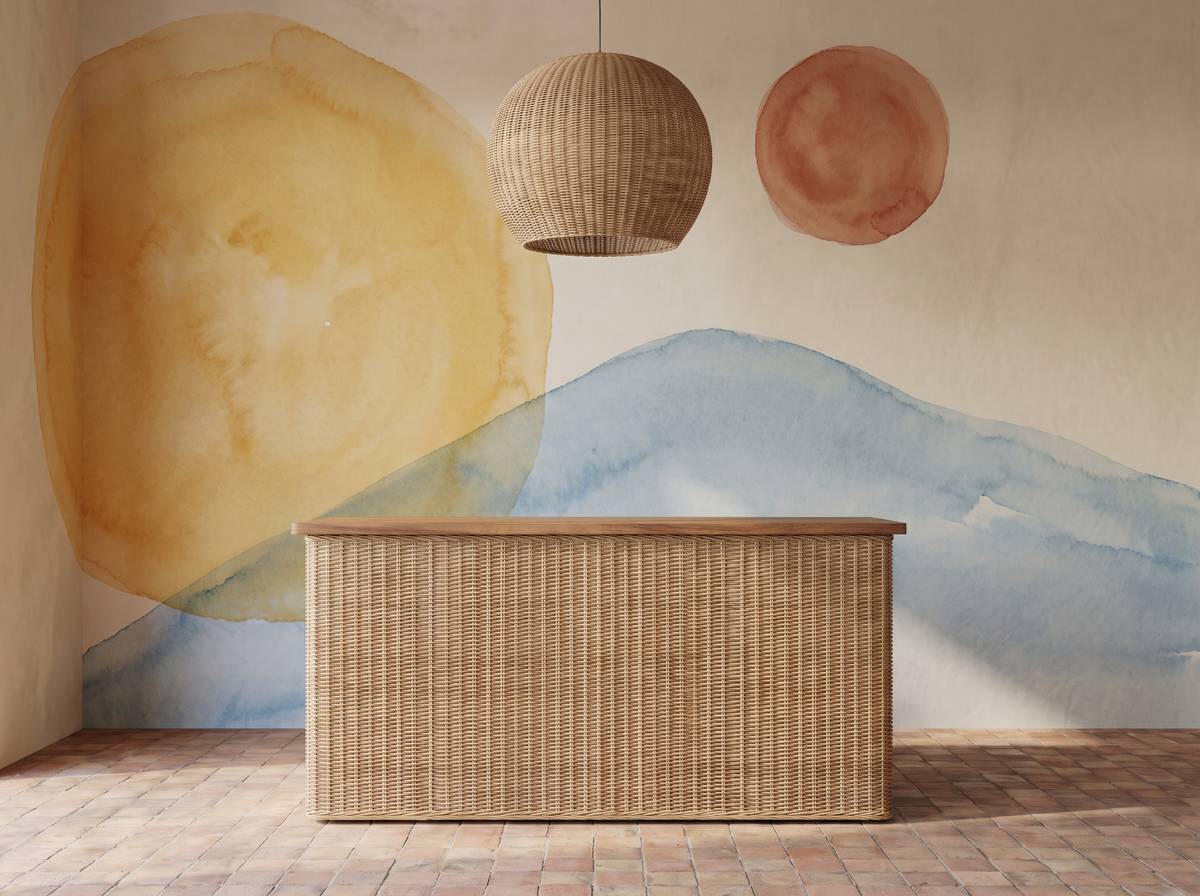
At MisterWils, we manufacture and stock furniture and lighting for hospitality projects, with more than 30,000 units permanently in stock, immediate delivery and replacement items available for future expansions.
If you are renovating a venue, you may also be interested in our guide to restaurant renovation.
Are you an interior designer, architect or manager of a restaurant group? Request access to MisterWils PRO for professional terms, technical specifications and project support.