
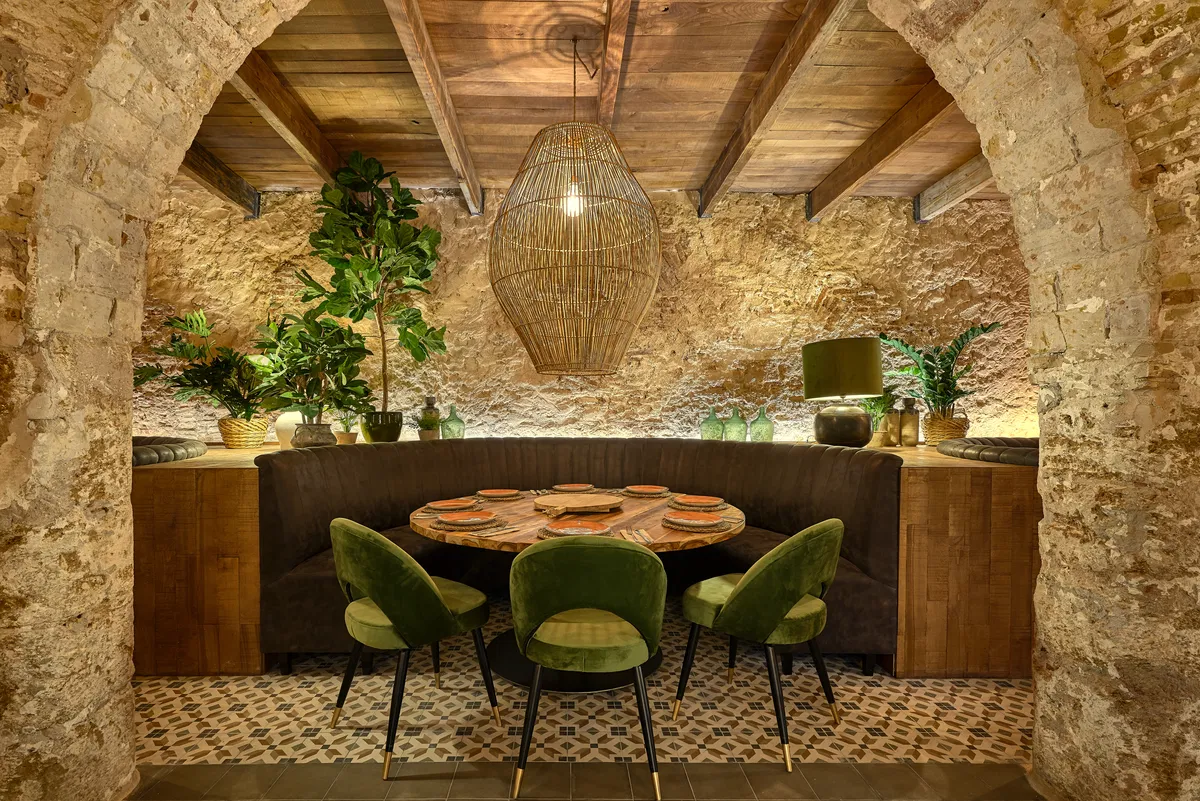
Technical guide to bespoke manufacturing, modular systems, materials, dimensions and key considerations to address before requesting a quote.
Not every table in a hospitality project needs to be made to measure. When standard dimensions work well with the layout of a dining area, choosing a table available from stock is usually the most practical option: it reduces lead times, makes future replacements easier and helps keep the budget under control.
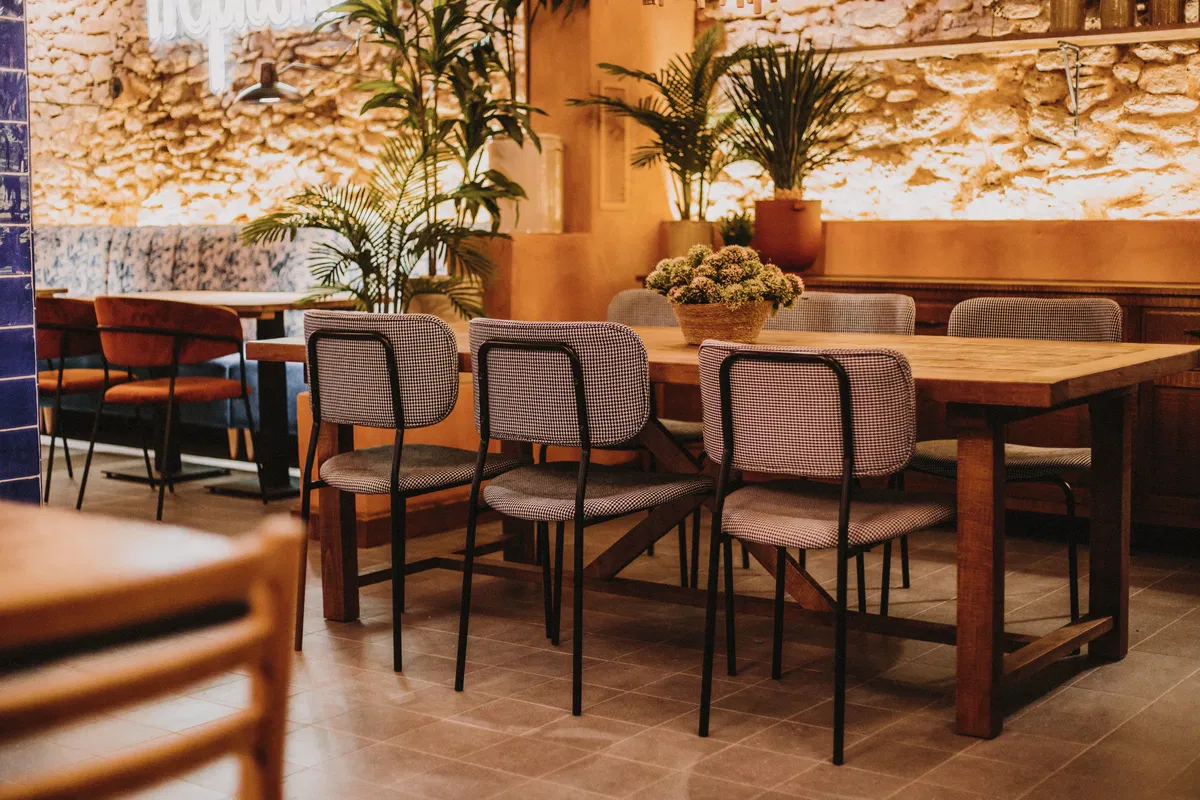
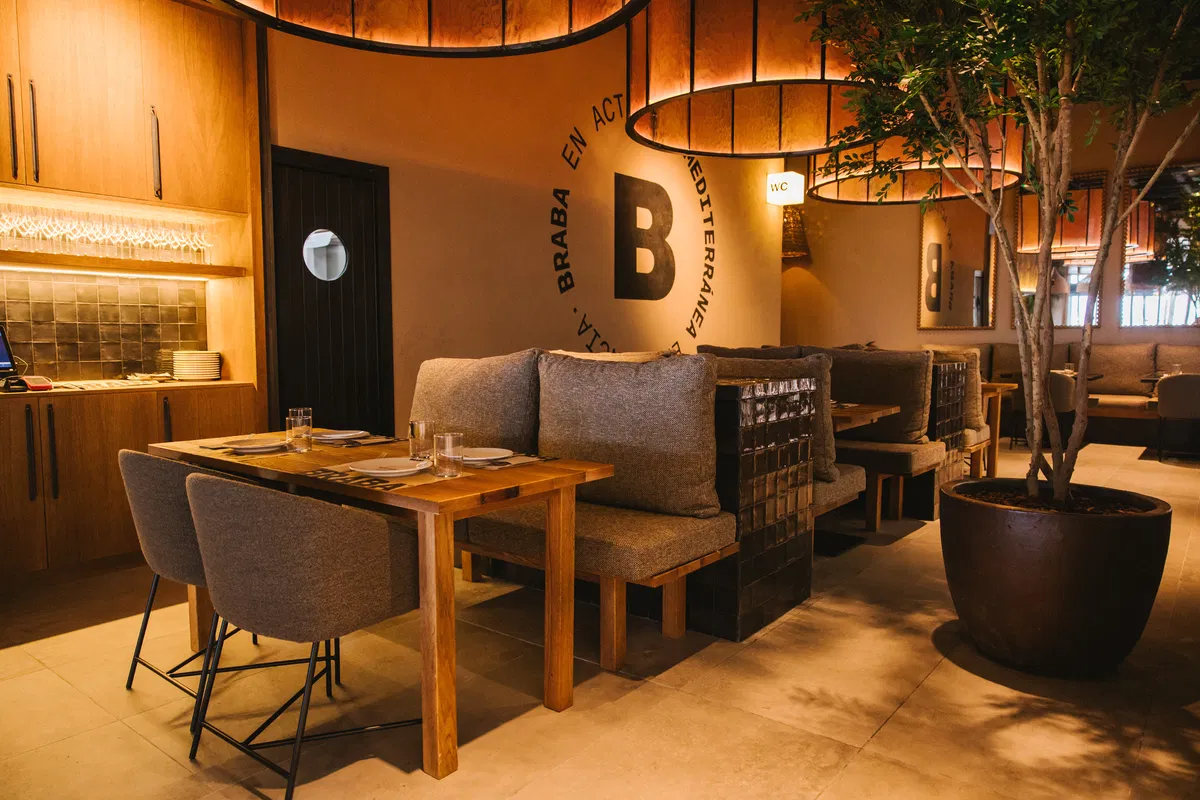
The challenge arises when the space is anything but standard. A continuous banquette may require tables of a specific length with offset legs; a corner may call for a specially shaped tabletop; a bar area may need high tables with the same finish as the dining tables; or an interior design scheme may feature a communal table that simply does not exist in any catalogue.
This is where bespoke manufacturing adds value. However, a restaurant table should never be specified on appearance alone. Dimensions, stability, leg positioning, tabletop material, height, weight, maintenance, circulation space and seating type are all part of the same technical decision.
At MisterWils, we specialise in furniture for the hospitality industry and professional projects, combining products available from stock with customised solutions. This guide brings together the key factors to consider before commissioning a bespoke table and explains the different types of suppliers that may be involved in such a project.
What Does Bespoke Table Manufacturing Really Mean?
“Bespoke” is a broad term. Two tables manufactured specifically for a restaurant may involve entirely different production processes. Before requesting quotes, it is important to understand exactly what the project requires.
Custom-Sized Tabletop
This is one of the most common solutions. A tabletop is manufactured or adapted from a chosen material to meet the required dimensions and shape, before being paired with a compatible base. This allows dimensions to be adjusted and, depending on the material and system used, makes it possible to create square, rectangular, round or other tabletop shapes. For many restaurants, this approach is sufficient and avoids the need to develop an entirely new table from scratch.
Modular Tabletop and Base System
In this approach, the tabletop and base are treated as separate components. This makes it possible to use the same finish across different shapes and heights: standard-height tables for dining chairs, high tables for bar stools or solutions designed for outdoor terraces. It is particularly useful when the aim is to maintain a consistent visual identity throughout the venue without necessarily manufacturing every piece entirely from scratch.
Fully Bespoke Manufacturing
Some projects require more than a standard table base can offer. Large communal tables, unusual shapes, individual pieces designed by an interior design studio or furniture that needs to integrate with bar counters and banquette seating may require fully bespoke manufacturing through joinery, cabinetmaking, metal fabrication or other specialist processes. This offers greater freedom of customisation, but typically also involves longer development times, greater technical complexity and extended manufacturing lead times.
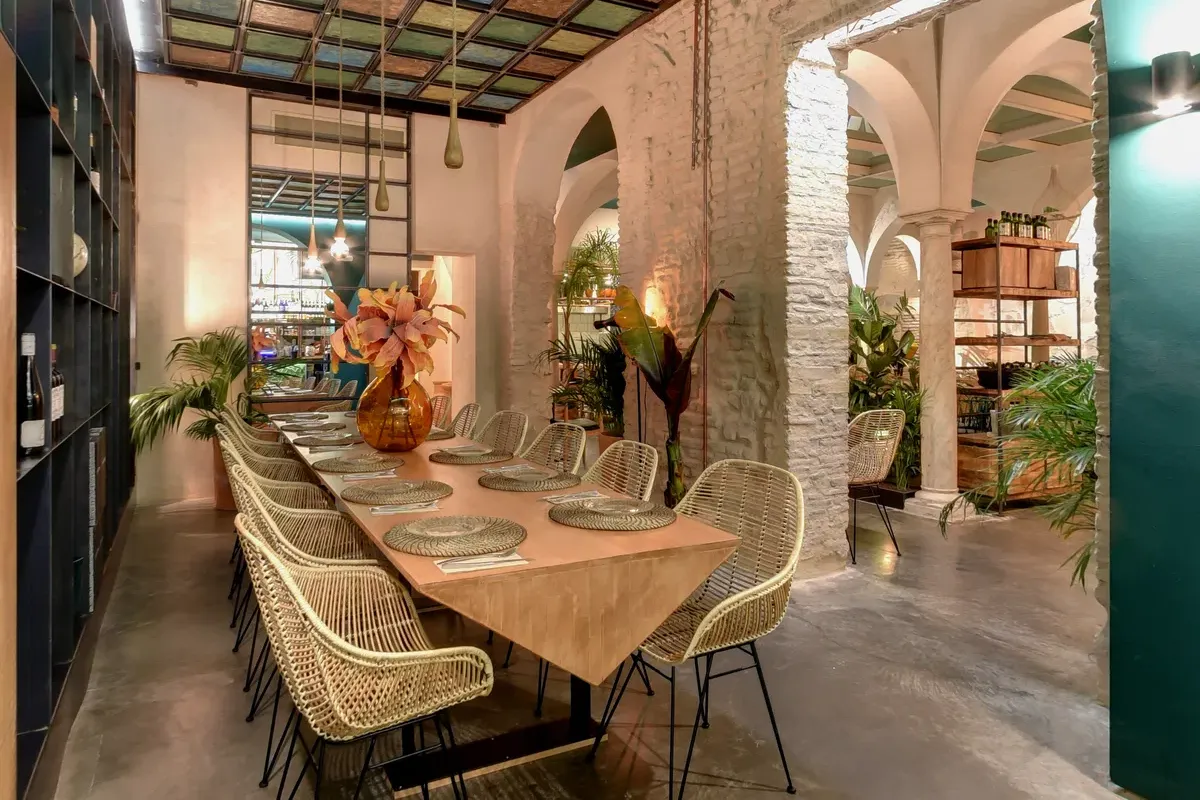
Before Designing the Table, You Need to Plan the Space
One common mistake is to start a project by choosing the table finish: wood, marble, terrazzo, porcelain or the colour of the base. These are important decisions, but they should not be the first ones.
In a restaurant, each table forms part of a wider layout that includes tables, chairs, banquette seating, customer circulation, staff movement and the overall seating capacity. A seemingly minor difference in table dimensions can have a significant impact when the same design is repeated ten or twenty times.
How Many Diners Does It Need to Accommodate?
Dimensions should be determined by the intended seating capacity and the type of seating used. A compact armless chair takes up less space than an upholstered dining armchair. Similarly, a table positioned alongside a banquette will have different spatial requirements from a freestanding table in the middle of the dining area. Tables and seating should therefore be planned together.
Where Will It Be Positioned?
Walls, columns, banquette seating, doors, service areas and walkways all influence the dimensions that can be accommodated. A table may fit perfectly on a floor plan but prove uncomfortable once chairs are added and the space is assessed under real-life conditions.
How Much Circulation Space Does the Restaurant Need?
Simply fitting the tables into the available space is not enough. It is essential to consider the space required when chairs are occupied and ensure that both customers and staff can move around comfortably. In restaurants with high seating densities, even a few centimetres can make a considerable difference.
Choosing a Table Base Is About More Than Just Aesthetics
This is one of the most important aspects to consider when changing the size of a tabletop. A base designed for specific dimensions may no longer perform adequately if the tabletop’s surface area or weight is increased significantly.
- Tabletop dimensions and shape.
- Material weight.
- Tabletop overhang beyond the support points.
- Number and positioning of bases.
- Stability.
- Available legroom.
- Compatibility between the tabletop and the fixing system.
For larger rectangular tables, the positioning of the supports also needs careful consideration. A base may be structurally stable yet uncomfortable if its legs interfere with where diners need to sit. This is why the tabletop and base must always be considered as a complete unit.
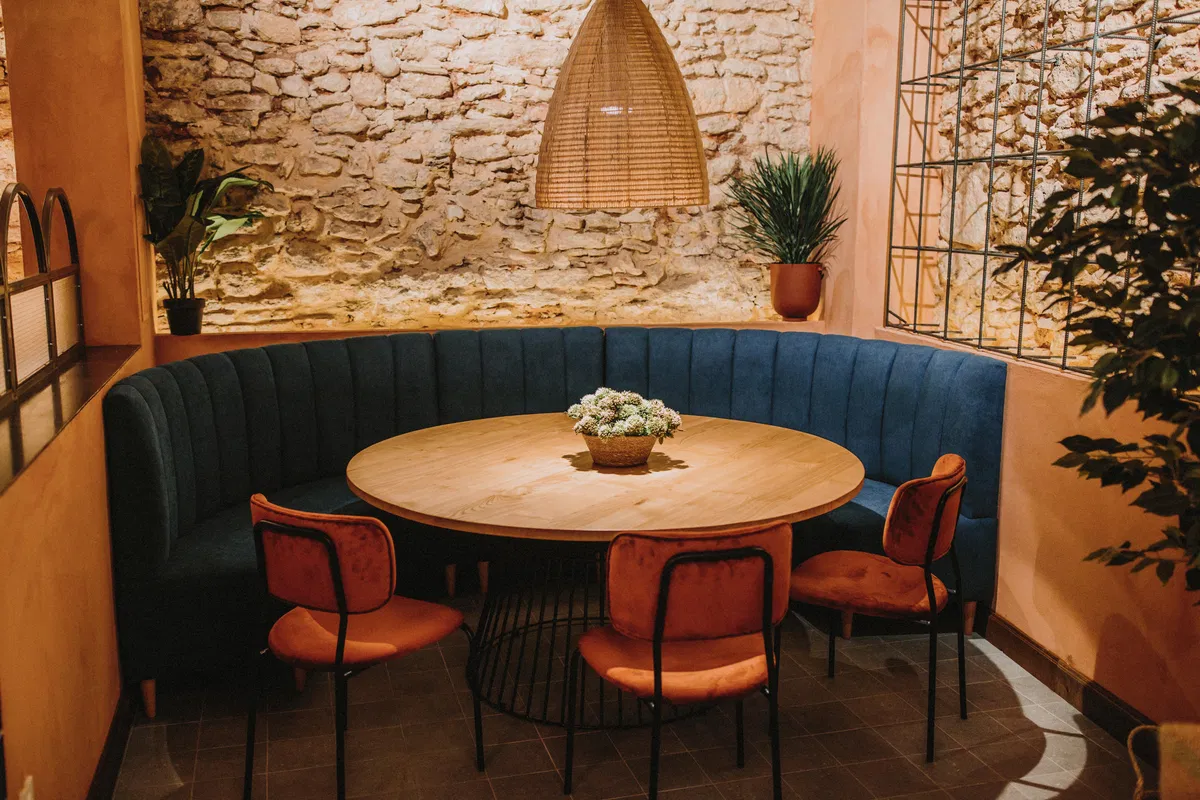
When Is It Worth Commissioning a Bespoke Table… and When Is It Not?
Bespoke manufacturing should not be an end in itself. It makes sense when it solves a specific problem: making better use of a particular area, accommodating banquette seating, achieving a specific shape, creating a consistent look across different table heights or developing a statement piece that plays a key role in the interior design scheme.
However, if a dining area works well with standard table sizes, choosing readily available products may be more efficient. Beyond the initial cost and lead time, there is another factor that is sometimes overlooked: replacement. Hospitality furniture is subject to intensive use, and if a table or tabletop needs replacing several years down the line, using relatively standardised systems can make the process considerably easier.
For many projects, an effective approach is to combine standard and bespoke tables. Standard models can be used in the more regular areas of the dining space, while bespoke manufacturing is reserved for locations where it genuinely adds value.
How We Approach Bespoke Tables for Hospitality Projects
At MisterWils, we work with a modular system that allows different tabletops and bases to be combined, alongside customised solutions for professional projects. Before deciding on a solution, it is important to have at least four key pieces of information: dimensions, number of units, intended use and project deadline. Having a floor plan is even better.
1. Review Dimensions and Layout
A floor plan or sketch helps identify the specific challenge the table needs to address. There is no need to start with complex technical documentation: a dimensioned floor plan may be enough to assess the table’s size, positioning, relationship with surrounding elements and any potential constraints.
2. Define the Seating
Tables and chairs should be considered together. It is important to know the seat height and overall dimensions and, particularly when chairs have armrests, check how they relate to the underside of the tabletop and the supporting structure.
3. Determine the Intended Use
Indoor and outdoor furniture require different considerations. Even outdoor settings can vary considerably. A sheltered terrace does not present the same conditions as a table directly exposed to sunlight, rain and temperature fluctuations.
4. Choose the Tabletop and Base
Only at this stage does it make sense to finalise materials and finishes. The choice should take into account aesthetics, weight, ease of cleaning, maintenance, durability and compatibility between the tabletop and base.
5. Coordinate Bespoke Pieces with the Rest of the Dining Area
Not every piece of furniture needs to be customised. The same dining area can combine readily available products with tables made to specific dimensions. By coordinating materials, bases and finishes, both can be seamlessly integrated into a cohesive interior design scheme.
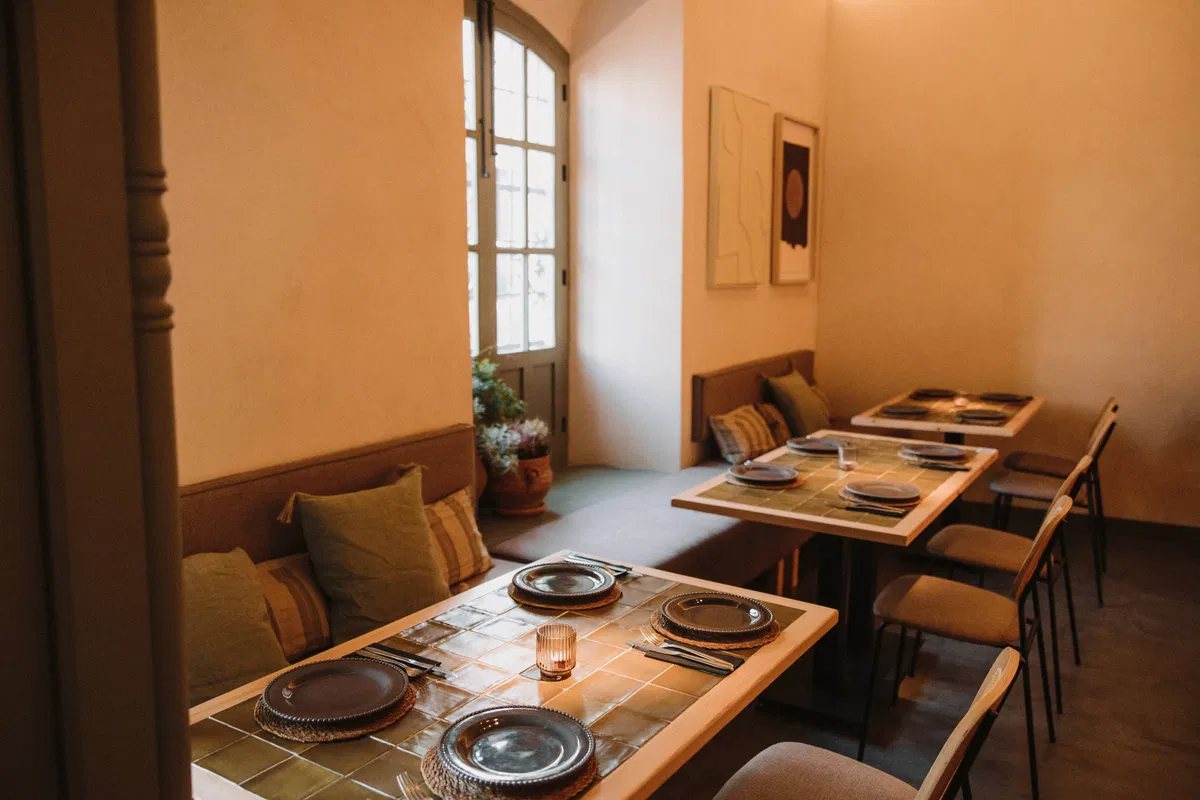
Materials for Restaurant Tables: There Is No One-Size-Fits-All Solution
Asking which material is best for hospitality tables makes little sense without knowing where and how they will be used. Each material performs differently when it comes to weight, impacts, stains, moisture, heat and outdoor exposure.
Wood
Wood brings warmth Wood brings warmth to a space and is ideal for projects where natural materials play a prominent role in the interior design. Depending on the chosen solution, it is important to consider the wood species, finish, maintenance requirements and intended location. With natural materials, it is also essential to recognise that variation is part of their character. Grain patterns and tones may differ from one piece to another.
Marble and Terrazzo
Their distinctive appearance and material qualities make them an attractive choice for certain restaurant projects. However, their weight is also a key technical consideration: the table base must be compatible with the dimensions and weight of the tabletop. Performance will also depend on the specific material, its finish and the installation conditions.
Compact Phenolic Laminate
This material is frequently used for outdoor furniture, particularly on restaurant terraces. Beyond the tabletop itself, it is important to check whether the specific product is suitable for outdoor use, paying particular attention to the durability of its edges and the performance of the complete table assembly.
HPL laminate
HPL offers a wide variety of finishes and is easy to clean, making it a practical choice for indoor spaces subject to frequent use.
Porcelain
Porcelain can offer good resistance to scratches and heat, while providing finishes that replicate the appearance of stone and other materials. Once again, the weight and dimensions of the tabletop must be carefully matched to the supporting structure.
Tabletop Edges Matter Too
When discussing restaurant tables, considerable attention is given to the tabletop surface, but far less to its edges. Yet these areas are constantly exposed to knocks from chairs, movement, cleaning and everyday contact. The material, thickness and edge finish should all be considered when choosing a table, particularly in establishments with high customer turnover. In hospitality settings, it is often the less noticeable details that determine how well a piece of furniture ages over time.
Five Mistakes to Avoid When Ordering Tables for Hospitality Venues
Choosing Tables Before Chairs
This can lead to problems with proportions, height, available space or interference with chair armrests.
Increasing the Tabletop Size Without Checking the Base
Just because a base works with a tabletop of a certain size does not automatically mean it can support a significantly larger one.
Choosing Based on Photographs Alone
An image can help assess the design, but it does not reveal the weight, stability, maintenance requirements or performance of the material.
Treating All Outdoor Spaces the Same
“Outdoor use” does not describe a single set of conditions. There are significant differences between a covered terrace and a permanently exposed location.
Overlooking Transport, Access and Assembly
A large piece of furniture must be able to reach its final location. Doorways, staircases, lifts and access points to the premises can also influence how a table needs to be designed or manufactured.
What Information Should You Provide When Requesting a Quote for Bespoke Tables?
The clearer the initial information, the easier it will be to assess the project accurately. Ideally, you should provide: Ideally, you should provide:
- Number of tables.
- Length and width, or diameter.
- Required height.
- Tabletop shape.
- Preferred material or finish.
- Indoor or outdoor use.
- Type of chair, armchair or stool to be paired with the table.
- Floor plan or sketch, if available.
- Installation location.
- Planned opening or installation date.
This last point is particularly important. Even a technically perfect solution is no longer the right choice if it cannot be delivered when the establishment needs it.
Where to Order Bespoke Restaurant Tables in Spain
Not all manufacturers and suppliers approach bespoke furniture in the same way. Some work with modular tabletop and base systems, while others offer fully bespoke manufacturing or specialise in joinery, metalwork, stonework or technical furniture solutions. Rather than simply searching for a “bespoke table manufacturer”, it is therefore important to identify the type of manufacturing your project actually requires.
MisterWils combines products available from stock with customised solutions for hospitality projects. Its modular system allows different tabletops and bases to be combined, creating standard-height tables, high tables and outdoor terrace solutions with a consistent aesthetic. In addition, the Made in EU collection includes customisable tables, benches and sofas, with options for dimensions, wood types, frames and upholstery, depending on the product and project requirements. This approach makes it possible to furnish part of a venue with readily available products while reserving bespoke solutions for the areas that genuinely need them.